





 واتساب
 تویتر
تویتر
 فيسبوك
 يوتيوب
 انستغرام
 نبض
نبض
 ثريدز
ثريدز


 Messenger
 Email
Email
 Print
Print
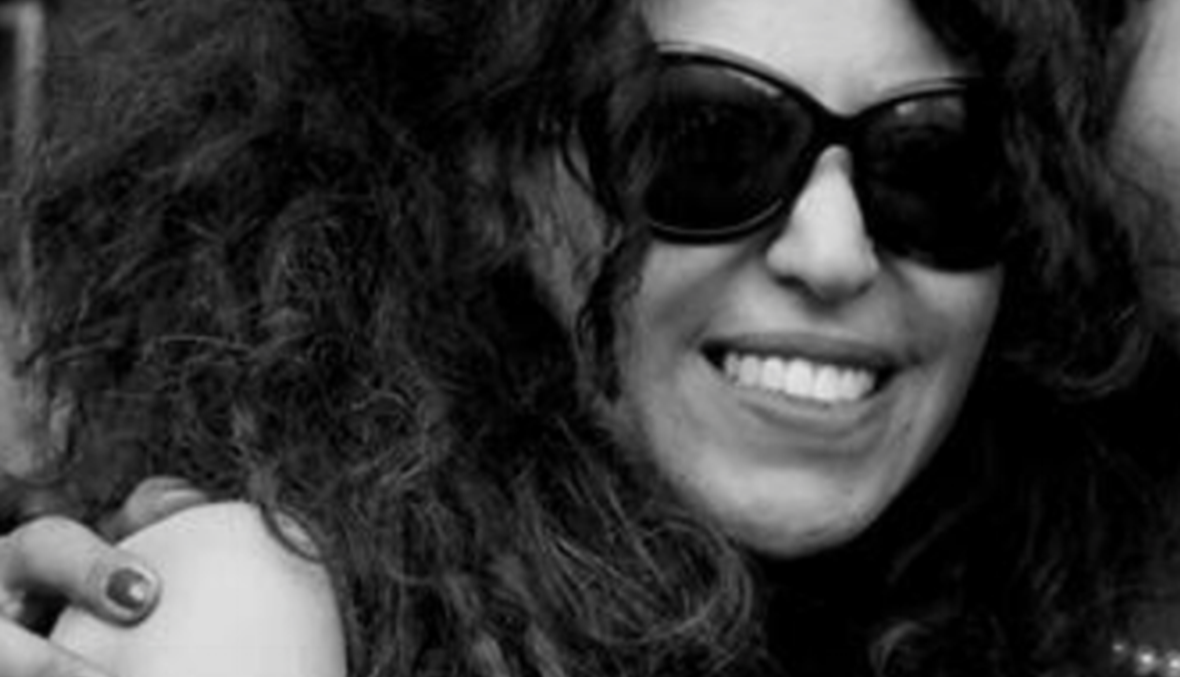


BEIRUT: reporting news from one of the most conflict-ridden areas of the world is not an easy job. Supposedly, it is even more difficult if you are a woman like Hwaida Saad, who has been writing about Syria since the beginning of the war in 2011.
Back in 2008, Syria was facing an intense drought resulting in widespread crop failure and consequent increase in food prices and mass migrations to urban centers. It was at that time that young journalist Hwaida Saad began an ongoing collaboration with The New York Times, that brought her to experience the effects of Syrian conflicts at first hand: “Differently from the civil war in Lebanon, in Syria I felt I could cover events from both an outer and an insider’s point of view.”
But how do you start reporting on the war from an insider’s perspective?
“Correspondents have to listen to human voices,” she said, in a statement that was repeated several times throughout her talk at LAU.
One of the first suggestions she gives aspiring reporters is creating a network of civilians willing to share their own stories. In this process, checking the reliability of sources is fundamental.
Nevertheless, covering war also requires empathy and ethics. She recalls the moment she had to interview a former prisoner who had been a victim of rape.
“The first approach was really important,” she said. “You don't have to forget that people are ready to talk with humans, not machines. When I first met this woman, I didn’t even mention abuse.”
The reporter kept on highlighting the human side of her profession: “I normally build a relationship and keep in contact with the people I write. My job never ends as I finish an interview.”
At this point, the question arises about how to find the balance between one's work and morality and duty towards the others.
“Somehow you need to create a positive shock in your readers,” she said, “but, at the same time, you don’t want to pass the idea that you are writing just for business. After 8 years of conflicts, people are less willing to talk; I try to convince them that through my articles they are given a voice.”
Saad remembered that on several occasions, the people she interviewed obtained asylum from other countries or medical support; in some cases, she was able to put in contact members of families that didn’t have any news from each other.
“As a woman, people think I’m weak and I shouldn’t deal with conflicts,” she said. “But, I’m happy and proud to be a female journalist.”
“I often collapse,” she said candidly. “But, what keeps me doing my job is passion, and Syria is a true passion for me.”
----------------------
Welcome to “Naya”, the newest addition to Annahar’s coverage. This section aims at fortifying Lebanese women’s voices by highlighting their talents, challenges, innovations, and women’s empowerment.
We will also be reporting on the world of work, family, style, health, and culture. Naya is devoted to women of all generations-Naya Editor, Sally Farhat: [email protected]
Naya on Social Media
Twitter: @BeirutNaya
Instagram: @NayaBeirut