


 واتساب
 يوتيوب
 انستغرام
 نبض
نبض
 ثريدز
ثريدز
U.N official sounds alarm bells over Lebanon's dire state


شارك على
 مسنجر
مسنجر
 بريد إلكتروني
 الطباعة
شارك على


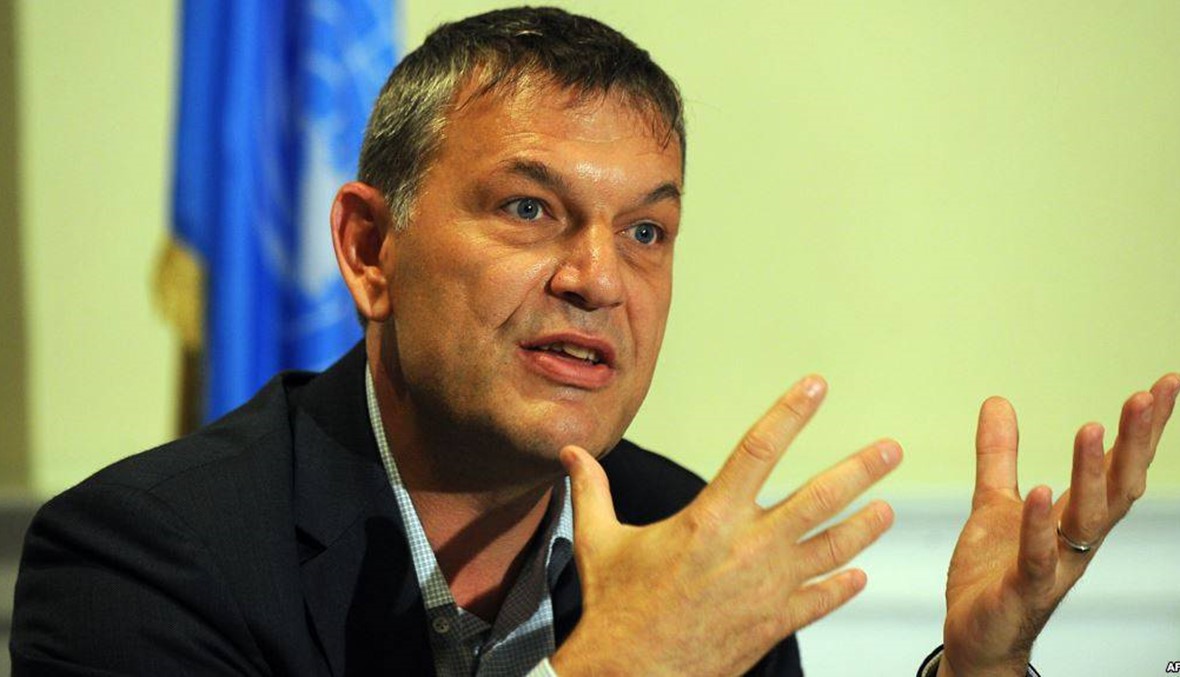


BEIRUT: Philippe Lazzarini, the United Nations resident and humanitarian coordinator for Lebanon, sounded alarm bells over Lebanon's gloomy economic state, urging lawmakers to implement reforms to fend off a meltdown.
During an interview with Annahar, Lazzarini acknowledged the many challenges facing Lebanon, from rising unemployment to the Syrian refugee crisis which has taken a toll on the country's economy and infrastructure.
Lebanon is home to some 1.5 million refugees, while high unemployment and a debt-to-GDP ratio of 155 percent have led to a severe economic slowdown, fending off investors.
“There is an awareness that the country is facing multiple challenges," Lazzarini told Annahar, calling on Lebanese officials to form the much-anticipated government to restore confidence and attract much-needed foreign investments.
Lebanon has been without a fully functioning government for over six months following the conclusion of the first parliamentary elections in nine years, with the rival parties failing to come to terms on the allocation of ministerial portfolios.
Prime Minister-designate Saad Hariri has been tasked with the arduous task of bringing into the fold the major political players, but has seen his efforts stumble in respect to the demands of the Free Patriotic Movement and Lebanese Forces.
The FPM has refused to budge on their demand to retain the much coveted Justice Ministry, with sources indicating the LF's attempt to secure the Telecom Ministry instead to go alongside the position of deputy prime minister and Culture and Social Affairs Ministries.
Speaking to reporters prior to departing to Saudi Arabia Tuesday to attend the 2018 Future Investment Initiative, Hariri maintained that "a new Cabinet will be formed shortly."
Yet his optimism failed to gain traction, with the President's office releasing a statement Wednsday arguing that the Ministry of Justice is rightful as "part of the president's share."
"Lebanon needs to implement major fiscal and sectoral reforms as agreed at the CEDRE IV conference last spring," Lazzarini said, echoing the sentiments of the premier a day earlier. "We feel that the situation is urgent and the implementation of said reforms is of the utmost importance."
Without a government, however, these reforms are unlikely to see the light of day.
In April, Lebanon secured over $11 billion in soft loans and grants at a conference in Paris in April as the international community pledged support to help the debt-ridden country revamp its ailing infrastructure and bolster its economy.
These funds, however, have yet to make their way given the government crisis which has ostensibly put the whole of Lebanon on standby.
العلامات الدالة
الأكثر قراءة