




 واتساب
 تویتر
 فيسبوك
 يوتيوب
 انستغرام
 نبض
 ثريدز
Basma: Invisible teeth straighteners for 65% less


 Messenger
 Email
 Print
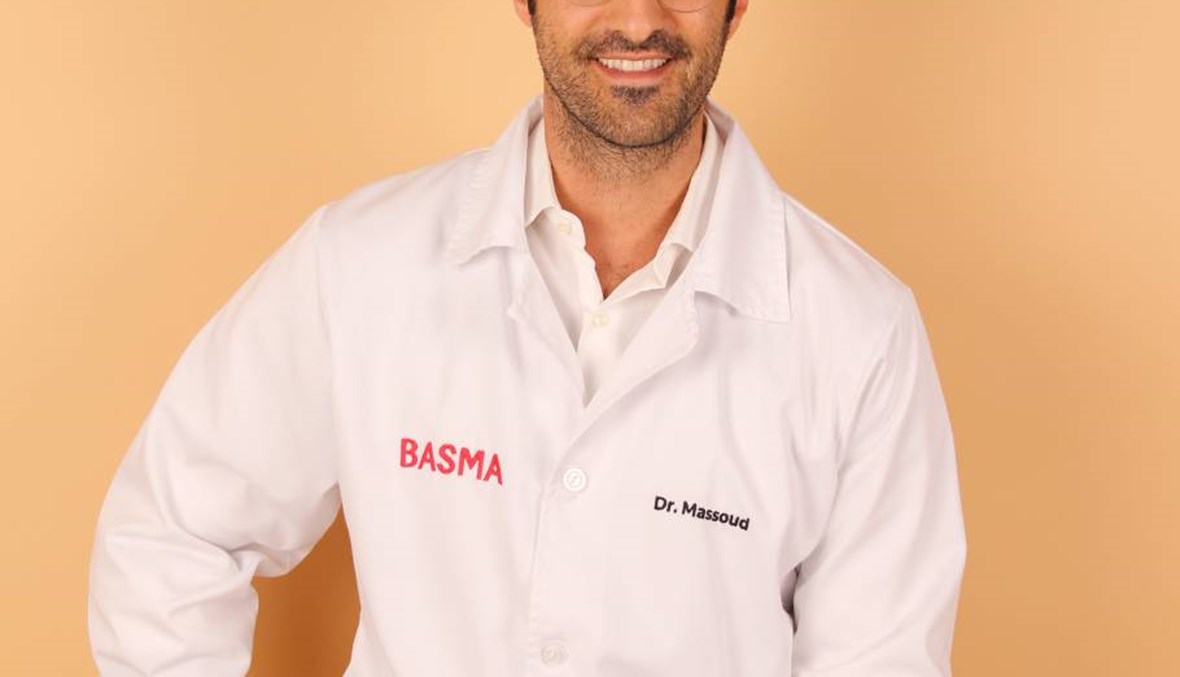


BEIRUT: What Cherif Massoud, a 35-year-old orthodontist and cofounder of Basma startup, remembers about being a teenager is wearing uncomfortably large braces that affected his self-image and self-confidence.
This is why 20 years later he decided to found Basma, which means “smile” in Arabic. Basma is a digital dental startup that aims to make quality dental healthcare accessible and affordable. It started by delivering patients with invisible teeth straighteners straight to their doorstep, guaranteeing a flawless smile in an average of six months.
“Ever since I entered the field of dentistry 15 years ago, I started looking for an affordable alternative to the treatment I was taught to give to people, which was rather expensive,” Massoud told Annahar.
Massoud took notice when in 1997 US-based company Invisalign introduced 3D-printing to produce the invisible teeth aligners that would catch Massoud’s eye.
“I was very amazed by these aligners, and I wanted to use them for all my patients, but only my very rich patients could afford to pay more than $5000, so we were back at the same problem again,” he said.
Years later in 2016, Massoud had the idea of manufacturing these aligners locally for his own patients. He was encouraged by his friends and colleagues who helped him raise the first round of angel investment after which he was able to hire his first dental lab technologist, Ghady Freiha and his first engineer, Hrag Hayrabedian, who would later become his co-founders.
“We started to manufacture our products and test them in my own clinic on my patients, thereby saving millions of dollars for manufacturing without compromising the quality,” Massoud said.
In 2014, Smile Direct Club in the US had the idea of delivering their treatment straight to the patients’ home, therefore connecting patients remotely to their orthodontists and letting the patients take their own measurements. Massoud and Hayrabedian knew that this service needed to be replicated in the MENA region, and this is how Basma was born.
“By delivering straight to the patients, we were able to drop the cost of treatment by about 65% to reach $1700 which was huge” said Massoud. “And so we did that.”
After that, Massoud and Hayrabedian started expanding their team until they reached their current 25-member team. They also wanted “to go big” as Massoud said and started selling to Saudi Arabia and the UAE, where patients could afford their solutions better, an idea that was welcome by their investors.
“All in all we had seven angel investors and two VCs (Venture Capitals); including Cedar Mundi which invested $1.2 million in us earlier this year through a program called iSME by Kafalat,” Massoud said. The team was able to buy more 3D printers with the money as well as run their operations in Saudi.
Until this day, they have treated more than a 1000 patients in Saudi Arabia as their main market, with hundreds others scattered across the UAE, Kuwait, Oman, and Europe.
“We want to stay in Lebanon because we want to be a message of hope for all the people who are getting laid off and losing their jobs,” said Massoud with a hopeful tone. “We want to continue manufacturing in Lebanon and exporting to the region thereby creating more job opportunities here.”
---
Welcome to Annahar's "Startup City," a column designed to cover the hundreds of early-stage businesses in Beirut, and what they represent as to the talent and optimistic business plans of local young tech workers. Send your nominations to: [email protected]