







 واتساب
 يوتيوب
 انستغرام
 نبض
نبض
 ثريدز
ثريدز
Beirut's drag scene: Queen meets first king


شارك على
 مسنجر
مسنجر
 بريد إلكتروني
 الطباعة
شارك على


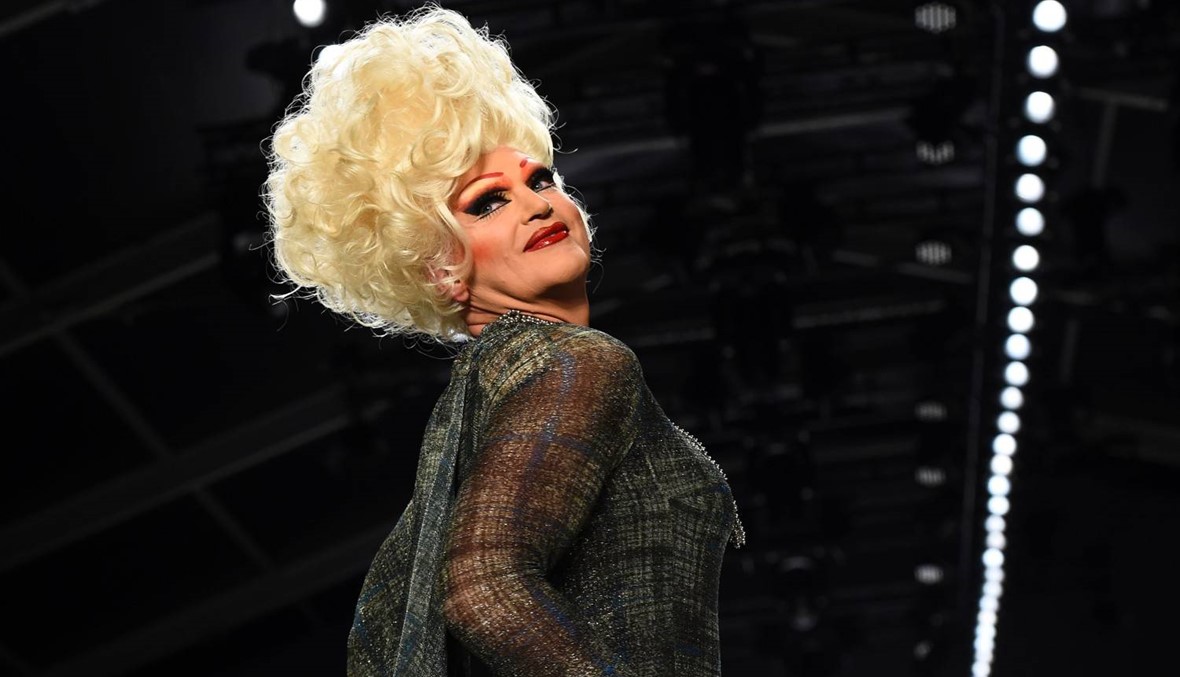


BEIRUT: Most crafts proudly exhibit the extensive efforts that go into the final product, not the performing arts though; that’s a field that boasts a weightless and almost spontaneous pseudo-quality.
Drag, being one of the hardest iterations of the genre, is no exception to this phenomenon. Countless hours of preparation and coordination are tucked away under pounds of makeup and made to look whimsical and effortless.
“You’re literally constructing a new person, your alter ego,” says Mustafa, a local drag queen known on stage as Latiza Bombé, “it’s hard making it look easy,” he adds.
Commonly mistaken for cross-dressing, drag is a variety of performance art that incorporates elements of theater, burlesque, and even parody. The general idea is that performers dress in the clothing of the opposite sex, and put on a show with their respective stage personas.
Given the social stigma surrounding any perceived defiance of traditional gender norms, people don’t look too kindly on the drag culture in Lebanon, nor does the Middle East for that matter. Although obscurity is typically the main deterrent of any art form, it is necessary for drag performers to remain in the unknown as a safety precaution and abandon any desire for notoriety. Yet, despite the steep price of admission, there are quite a few takers who want to venture into the glamorous world of drag.
Mustafa was one of those curious onlookers who was quickly promoted from the ranks of the fan to that of a performer.
“Dressing up for the sake of dressing up didn’t really appeal to me,” he tells Annahar, “But when I did more research about the performance aspects of drag, I really got into it.”
After a long trial-and-error period, Latiza Bombé was born.
“On the surface, she’s a trash queen, a sultry diva with an endless supply of sass," fans recount, “yet, she’s a lot more layered than the generic party girl archetype.”

One account paints her as “a strategic affront to conventional sexuality."
In terms of iconography, Latiza Bombé is still a work in progress; while her presence is certainly defined, her character is constantly evolving.
A fellow patron, Adam Bou Hamdan describes her as distinctively eccentric. “She manages to stand out by embodying the classic tropes of drag culture,” he says, “while also incorporating fresh new elements that elevate her performances and make them memorable.”
Over the years, the social landscape has been changing to encompass a normalization of drag culture. This change can be attributed to the rising popularity of American reality show, Rupaul’s Drag Race. People find themselves being entertained and slowly accepting of it.
Yet, despite flaunting a banner of acceptance, drag seems to be a practice inclusive to just men as illustrated by the complete absence of performing ladies.
NO LONGER AN ALL-BOYS CLUB
A newcomer to the scene, Nour is the first Lebanese drag king who goes by the alias Phil Latio, seduced by the larger-than-life scope of drag, Nour was instantly hooked in no time.
Known for his jeering smirk and defiant stare, Phil Latio is “your typical neighborhood douche bag who catcalls passing girls and then feels bad about it,” Nour tells Annahar.
Still considered a fledgling, this persona is still in its early experimental stages but with a clear-cut vision. “I basically want him to be a bloated version of the typical chauvinistic male stereotypes,” she explains, "but in a playful, tongue-in-cheek kind of way."
Friends say that he is an extension of Nour’s sarcastic personality but in a “more refined and punctuated presentation.”
While most drag performers lean toward dance numbers and musical skits, Phil Latio is more inclined toward comedy. Armed with sharp wit and an acid tongue, he playfully slaps the wrists of social stigma breaking new grounds in terms of what’s acceptable.
Despite being a knockout act, there’s virtually no demand for artists like Phil Latio in an industry dominated by queens.
American Drag king legend, Landon Cider weighs in on the matter in an interview with blogger, Abby Normal, “People in general are more fascinated with the glamour, costuming and makeup of drag queens,” she says, “It’s kind of hard to pull off fabulousness in male impersonation unless you’re doing constant flamboyant male characters, which I love to do, too.”

She goes on to point out that the only way to sell a male impersonator is through a gimmick or by cornering some kind of market.
POLITICS OR ENTERTAINMENT
An important feat in the LGBTQ liberation movement, drag is hardly ever divorced from politics.
In an article by the Washington Post, Rupaul notes, “Throughout the history of the gay-rights movement, drag queens have always been at the forefront.” He adds, “We threw the first brick at Stonewall and this show gives us the chance to not only tell our history, but to inform young people about the rich cultural heritage that their brothers and sisters before them have created.”
Having had the first Gay Pride Parade last year, the LGBTQ rights movement is slowly but steadily gaining traction in Lebanon.
"The political undertones are almost inescapable," says Mustafa, "but not all performances are about making a statement; sometimes, it's just entertainment."
So while drag will almost always have some partisan connotations, Latiza Bombé and Phil Latio are entertainers first and activists second.
A BIT OF GLITTER AND ELBOW GREASE
Like any other pursuit, drag is not without its hardships and shortcomings.
The biggest gripe performers seem to have is the niggling sense of gate-keeping that they receive from viewers or artists in other avenues under the all-too-familiar chant of “that’s not real art.”
“There’s always this sense of de-legitimization you get from outsiders looking in,” Mustafa objects, “Like validation makes an art form any more or less valid.”
There’s also a matter of a shortage of employment opportunities.
“When you’re a singer, even a mediocre one, you can get a bunch of venues fairly easily,” says Nour, “But in the drag industry, you get to pick between two clubs, and that’s it.”

That’s the kind of limitation that inhibits a lot of performers from pursuing drag full-time, especially given the cost. “Even if you get your outfits from the thrift stores and 1$ shops, there’s still a lot to account for,” Nour adds.
In the face of such adversity, only the best of the best have what it takes to complete the uphill climb to success paved with the decayed remains of those who could not hack it.

العلامات الدالة
الأكثر قراءة