





 واتساب
 تویتر
تویتر
 فيسبوك
 يوتيوب
 انستغرام
 نبض
نبض
 ثريدز
ثريدز


 Messenger
 Email
Email
 Print
Print


By Ghadir Hamadi and Elissa Hassan
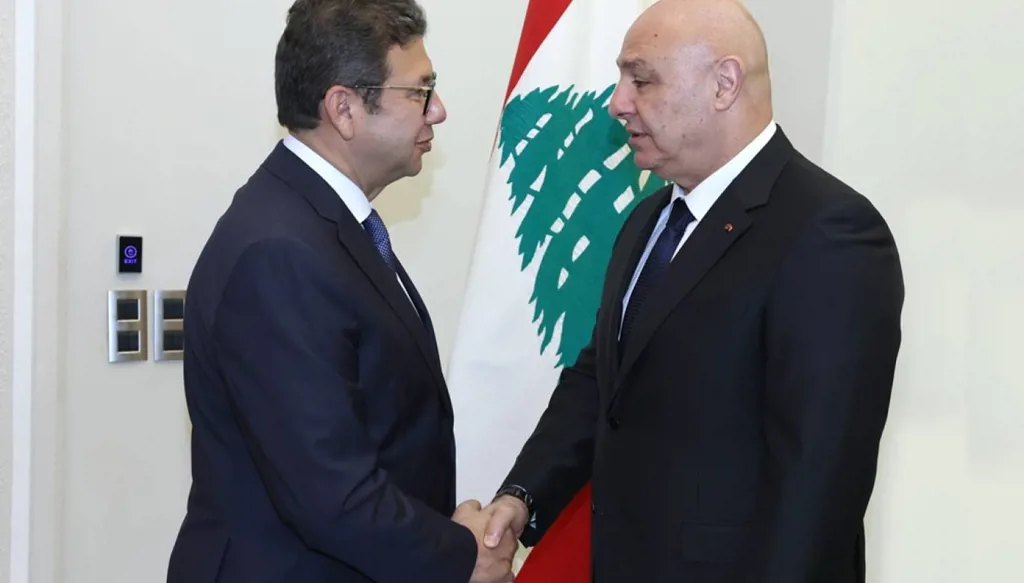
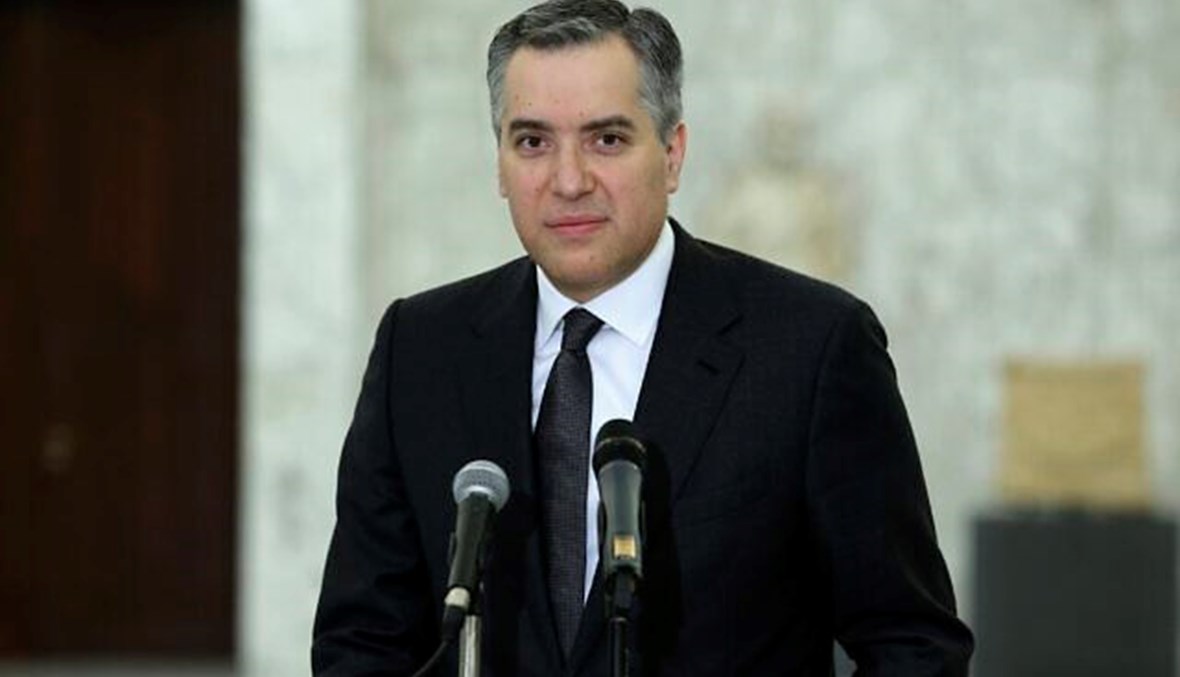
BEIRUT: Lebanon's prime minister-designate Mustapha Adib, resigned today amid a political impasse over the formation of the next cabinet.
"I excuse myself from continuing the task of forming the government," Mustapha Adib said in a televised speech after meeting Lebanese President Michel Aoun at Baabda Palace.
Adib had tried to form a Cabinet made up of independent specialists that could work on endorsing reforms. Adib's resignation comes a few days after Aoun told reporters that Lebanon would be going to "hell" if a new government was not formed soon.
The Lebanese stormed to social media to express both their happiness, concern, and outrage over Adib’s resignation.
"I excuse myself from continuing the task of forming the government," Mustapha Adib said in a televised speech after meeting Lebanese President Michel Aoun at Baabda Palace.
Adib had tried to form a Cabinet made up of independent specialists that could work on endorsing reforms. Adib's resignation comes a few days after Aoun told reporters that Lebanon would be going to "hell" if a new government was not formed soon.
The Lebanese stormed to social media to express both their happiness, concern, and outrage over Adib’s resignation.
Many saluted Adib for apologizing and resigning and noted that this is how true heroic leaders act in times of crisis.
“Respect to mustafa adib for not giving us a puppet government and for apologizing when it was clear that he could not deliver," Youssef Chahin tweeted.
Some stated that the Lebanese no longer deserve politicians who ae calling for real change and reforms in the country.
Some stated that the Lebanese no longer deserve politicians who ae calling for real change and reforms in the country.
“Thank you for your efforts... sadly it seems like we don’t deserve good people in our government, we deserve the thugs we have that we accepted for years...,” Sarah Khoury tweeted.
Other users seemed to be at loss for words like user Johny Eid who tweeted “What’s next?”
Other users seemed to be at loss for words like user Johny Eid who tweeted “What’s next?”
Adib who was endorsed by French President Emmanuel Macron has been criticized for backing away from his deal.
“He was part of the French initiative in Lebanon and since he decided to resign I’m pretty sure things are going to go downhill from here,” Omar Rihani, middle-aged carpet-store owner, told Annahar.
Activists called for mass protests to kick start at 6 pm around the country in response to the halting of the formation of the cabinet.
Roads in Beirut and Sidon were blocked by angry protesters.
Ahmad Najjar, one of the road blockers in Sidon told Annahar that they were “closing roads to put pressure on the thugs who didn’t allow the formation of the government at a time that the country and citizens cannot wait any longer.”
Some of the youth felt like Adib didn’t want to be “another Hassan Diab,” as Telecommunications student Ali Kazan stated.
“He was part of the French initiative in Lebanon and since he decided to resign I’m pretty sure things are going to go downhill from here,” Omar Rihani, middle-aged carpet-store owner, told Annahar.
Activists called for mass protests to kick start at 6 pm around the country in response to the halting of the formation of the cabinet.
Roads in Beirut and Sidon were blocked by angry protesters.
Ahmad Najjar, one of the road blockers in Sidon told Annahar that they were “closing roads to put pressure on the thugs who didn’t allow the formation of the government at a time that the country and citizens cannot wait any longer.”
Some of the youth felt like Adib didn’t want to be “another Hassan Diab,” as Telecommunications student Ali Kazan stated.
A citizen who wished to remain anonymous told Annahar that “the position of a Prime Minister with the current situation requires courage and responsibility, characteristics most (if not all) of the people with any form of power in Lebanon lack. While the respective parties are all trying to dominate the ministries, they are not ready for the blame that will sprawl on their backs once the inevitable failure of the new ministries transpires.”
Some people insisted that his resignation saved Lebanon from many more months of “political deadlock and turmoil.”
"Adib lacks the skill and expertise to deal with the ruling class. His government wouldn’t have lasted had it been formed to being with, and in a few months we would have found ourselves in this position once again,” Haya Nassar, Political Science student at LU, said.