








 واتساب
 تویتر
تویتر
 فيسبوك
 يوتيوب
 انستغرام
 نبض
نبض
 ثريدز
ثريدز
Small Bookshops: Economic crises and readership


 Messenger
 Email
Email
 Print
Print
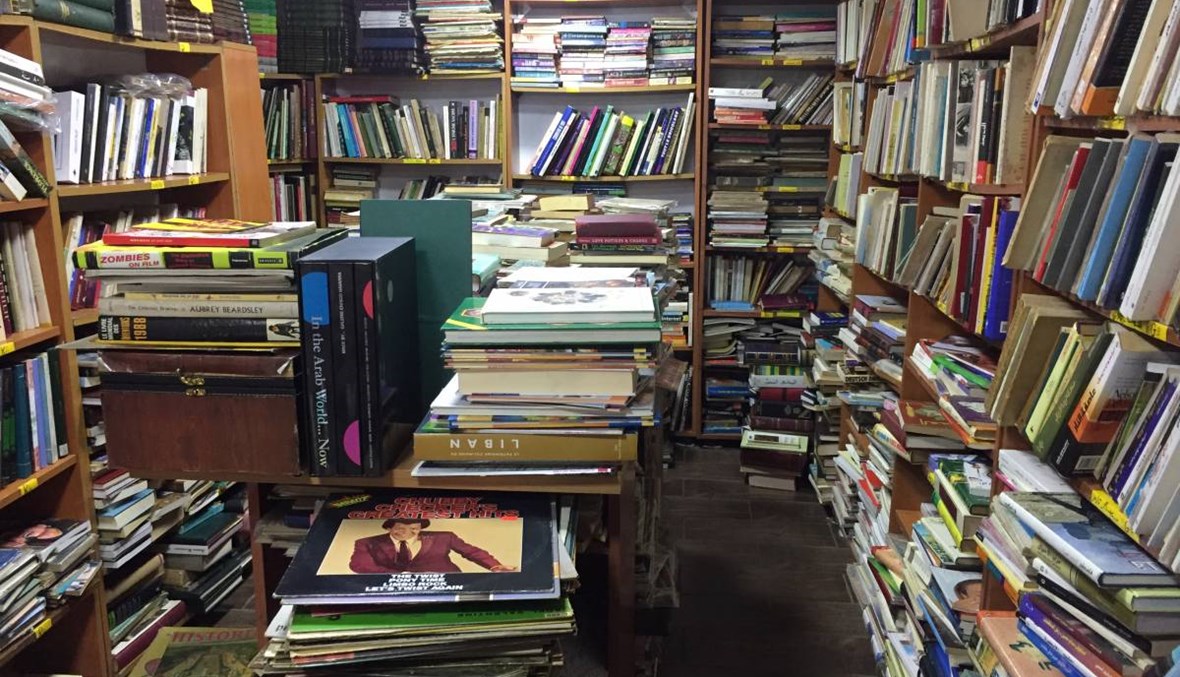


BEIRUT: Local businesses have been suffering as a result of spiraling economic conditions in Lebanon. Small-scale bookshops are among the businesses that were hit the hardest given rising costs and the lack of awareness about these bookshops.
In an effort to counter this, literary and art journal Rusted Radishes organized a walk-in Ras Beirut to mark all local bookshops and created a map that enables users to find and support these bookshops.
Rima Rantisi, founding editor of the journal explained that the map was created to make people aware of the bookshops’ locations in order to “celebrate these bookshops and encourage them economically."
“These places are at risk just like any other business, but even more so,” Rantisi highlighted. Independent bookshops often don’t make the kind of profits other kinds of small scale businesses make and are always “at the mercy of high rent cost especially in that area,” she explained.
Ras Beirut is filled with hidden bookshops. City Library, which was opened in 1960, is one of the bookshops included on the map.
“I got married and opened the bookshop on the same day,” Khalil Zabad, the owner of The City Library, told Annahar. “The store remained open throughout the civil war despite being affected by the attacks. One time a bomb exploded nearby and the shrapnel reached the library and damaged the ceiling."
“When people come in they sometimes choose on their own and I guide them when needed,” said the owner. In addition to different genres of books in multiple languages, The City Library has school supplies and stationery, including bookmarks, stickers, and coloring books.
Zabad describes the impact of the economic crisis on the local bookshop as “miserable” and explained that the bookshop is “semi-closed” due to the decline in sales.
Book Bazar is another bookshop in Ras Beirut that welcomes visitors with a vibrant display of books and posters of prominent historical figures.
The owner, who goes by the name of Oscar, opened the bookshop in September 2001 and describes the business as a “one-man show” since he manages it by himself.
One of the methods Oscar uses to keep the bookshop running during difficult times is to buy fewer books and instead focus on covering the store’s rent and expenses.
Not many people are visiting the bookshop anymore - “business started to decline after 2006 because of the July war and political tensions; the bookshop used to depend more on foreigners, many of whom left the country or stopped visiting for security reasons,” said Oscar. “I think about closing the bookstore every day. It almost happened last month.”
Fortunately, the bookshop persisted.
“Sometimes if I like a book too much I keep it for myself instead of putting it on display,” said Oscar, who doesn't depend on the bookshop for his income and describes his job as a hobby. He acknowledges that “it can’t be anything more than that.”
Oscar attributed the decreasing popularity of book reading to technological development, which changed people’s reading experience.
“It changed people’s habits and lifestyles,” he explained.
Book Bazar owner talks about how the newer generation is more acquainted with technological devices as opposed to books and points out the absence of knowledge about historical events and figures as a consequence.
The economic situation and high living expenses not only impacted businesses but also the culture that some of these businesses help create.
Rima Rantisi mentions that this is especially relevant now given the protests against the banking sector, capitalist system, and “the theft of our culture and cultural institutions.”
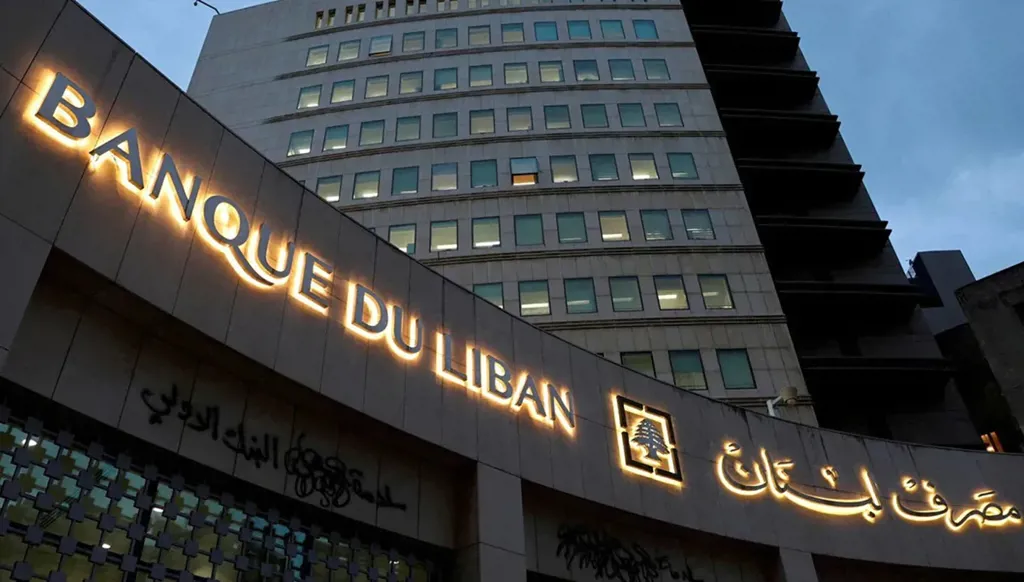
“In place of many book shops there are banks now which represents the capitalist shift that has eaten up our lives and shows how high rent took over the culture in Ras Beirut,” she added.
“A lot of local bookshops disappear and we don’t want them to be forgotten so these appear as ghosts on the map, explained Rantisi, adding “we can also attest to the many heritage buildings that have been knocked down; the whole environment has changed in the last 10 years.”
The editor says that the owners of the bookshops found have a lot of history to share and mentions that a lot of the bookshops started off as publishing companies.
“Beirut has always been a place where the book is really important, and each bookshop owner had a different vision in mind,” said Rantisi.