






 واتساب
 يوتيوب
 انستغرام
 نبض
نبض
 ثريدز
ثريدز
منبر
07-09-2026 | 12:55
When AI Crosses the Line, Can the Law Keep Up
A federal court ruling in the United States has raised a disturbing legal question: can AI-generated sexual images depicting children be protected under the First Amendment if no real child is involved?


شارك على
 مسنجر
مسنجر
 بريد إلكتروني
 الطباعة
شارك على



Illustrative image


Ahmad Hammoud
A federal court ruling in the United States has raised a disturbing legal question: can AI-generated sexual images depicting children be protected under the First Amendment if no real child is involved?
At first glance, the answer sounds outrageous. But the ruling is more complicated than simply saying that “child pornography is legal.”
In a Wisconsin case, a federal court ruled that the private possession of certain AI-generated sexual images depicting nonexistent minors could fall underconstitutional protections. The judges themselves acknowledged serious concerns about how older legal precedents apply to technologies that did not exist when those decisions were made.
The legal foundation goes back decades.
In Stanley v. Georgia in 1969, the U.S. Supreme Court established constitutional protection for the private possession of obscene material inside the home. Then, in Ashcroft v. Free Speech Coalition in 2002, the Court struck down parts of a federal law criminalizing virtual depictions of minors when no actual children had been used or harmed in producing them.
The distinction was based largely on the existence of a real victim.Traditional child sexual abuse material documents the exploitation of an actual child. A completely fictional or computer-generated image, however disturbing, does not necessarily involve a child being abused during its creation.
But generative AI has complicated that distinction dramatically.Artificial intelligence can now create images and videos that appear increasingly realistic. What might once have clearly looked like a drawing or fictional representation can now closely resemble a photograph of a real person
.That leaves the law facing an uncomfortable question: if no identifiable child exists in an image, but the image realistically depicts the sexual abuse of a child, should its private possession still receive constitutional protection?
Some American states are already moving in a different direction. California, for example, has adopted legislation criminalizing certain AI-generated child sexual abuse imagery, reflecting growing concern that existing laws are no longer equipped to deal with synthetic media.And that may be the larger story.
It took only a few years for generative AI to move from being marketed primarily as a productivity tool to becoming capable of facilitating fraud, misinformation, impersonation and other forms of abuse.
The problem, however, is not artificial intelligence alone.It is also the speed with which people have incorporated AI into their lives without necessarily understanding how these systems work, what happens to the information they provide, or how dependent they may become on them.Users routinely upload photographs, documents, personal information and creative work into AI systems while paying little attention to privacy policies or data-handling practices.
That does not mean that every image uploaded by a user is automatically used to train an AI model, nor does every AI-generated image trace back to one identifiable photograph. But the ease with which personal data is handed over to automated systems should still raise serious questions about privacy, consent and control.The concern goes beyond images.
New York City Mayor Zohran Mamdani recently took a more restrictive approach toward AI in education, supporting limits on its use among younger students.His argument was simple: children need to learn how to think for themselves.That concern deserves attention.
AI-generated writing, images, voices and videos are becoming increasingly difficult to distinguish from human-created material. Online publishing is already being transformed by automated content, while social media feeds are filling with synthetic videos produced at unprecedented speed.
This comes at the same time that short-form video has already changed how people consume information, rewarding speed, simplicity and immediate stimulation.
Artificial intelligence could intensify that trend.The greatest long-term risk may not be that machines become more intelligent than humans.
It may be that humans slowly become less willing to think without machines.Human creativity will not suddenly disappear. Journalists will continue reporting. Scientists will continue conducting research. Filmmakers will continue making films, and writers will continue writing.
But the process behind those activities matters.Original thinking requires patience, curiosity, doubt, failure, research and the ability to sit with a difficult question without immediately receiving an answer.
AI can summarize information in seconds. It can generate arguments, suggest ideas and imitate creative styles. Used properly, it can be an extraordinary tool.But convenience can easily become a dependency.
And dependency becomes especially dangerous when a technology begins to create the illusion of thinking on behalf of the person using it.The legal battle over AI-generated abuse imagery is therefore only one part of a much larger question.
As artificial intelligence becomes increasingly integrated into our lives, governments will have to decide what machines should legally be allowed to create.
Schools will have to decide when children should be allowed to use them.And individuals will eventually have to confront an even more personal question:Are we using artificial intelligence to help us think, or are we slowly allowing it to think for us?

العلامات الدالة
الأكثر قراءة

شمال إفريقيا
9/5/2026 6:02:00 PM
قضت محكمة جنايات القاهرة بإعدام المنتجة الفنية سارة خليفة وعدد من المتهمين في قضية جلب المواد المخدرة وتصنيعها والاتجار بها، كما أصدرت أحكاماً بالسجن المؤبد وبرّأت متهمين آخرين.
دوليات
9/7/2026 6:30:00 AM
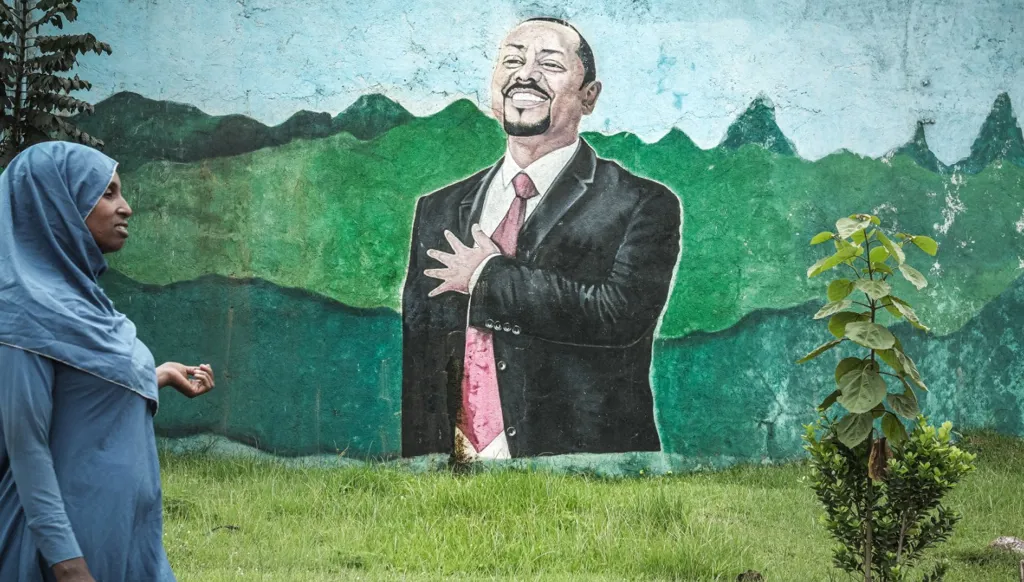
تتسع جبهات الضغط على آبي أحمد من أمهرة إلى تيغراي وأوروميا، فيما يثير تقارب خصوم الأمس مخاوف من أزمة أعمق قد تهدد استقرار إثيوبيا ووحدتها من جديد.
تركيا
9/6/2026 4:04:00 PM
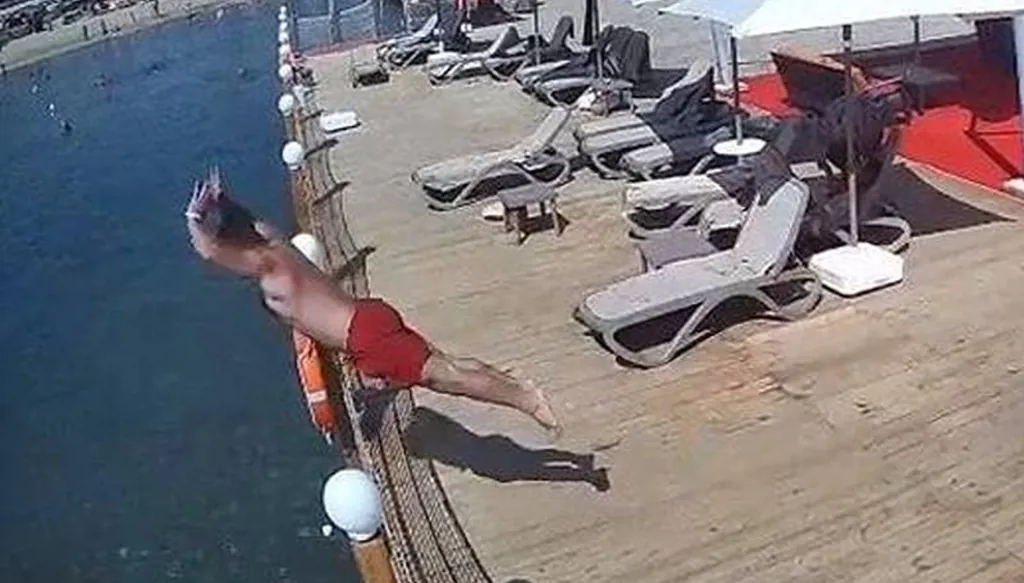
لقي رجل تركي يبلغ 39 عاماً مصرعه في ألانيا بعدما قفز برأسه من رصيف فندق إلى مياه لم يتجاوز عمقها 50 سنتيمتراً، ليرتطم بقاع البحر ويصاب بكسر قاتل في الرقبة.
الولايات المتحدة
9/7/2026 3:41:00 PM
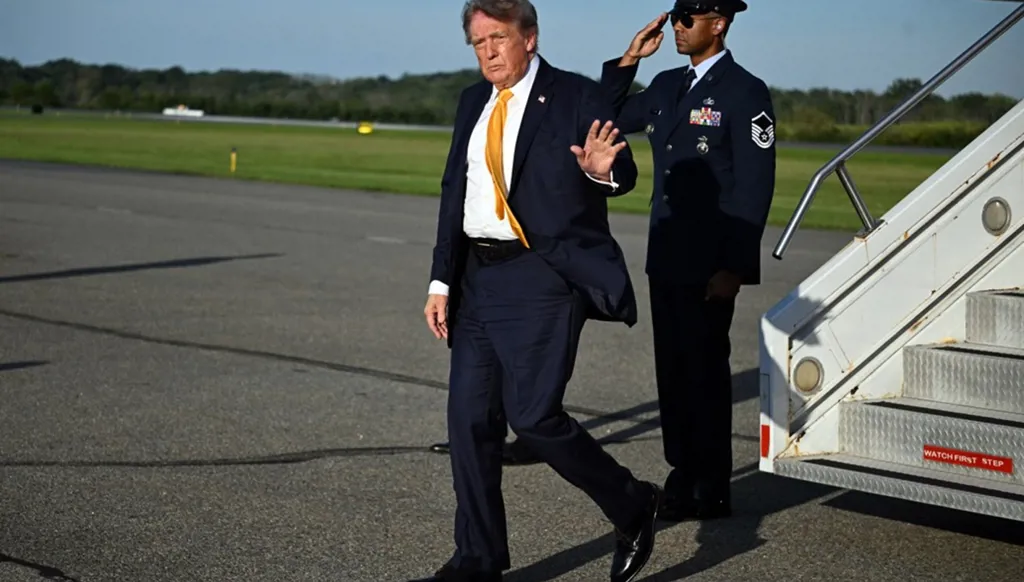
ظهر دونالد ترامب بشعر بدا أكثر قتامة وميلاً إلى البني خلال وصوله إلى نيوجيرسي، ما أثار موجة من التكهنات والتعليقات على مواقع التواصل الاجتماعي.