





 واتساب
 يوتيوب
 انستغرام
 نبض
نبض
 ثريدز
ثريدز
منبر
07-09-2026 | 12:40
From Commitments to Action: How Can Lebanon Strengthen Its Environmental Voice?
Climate change is an ongoing emergency whose consequences, from water scarcity and rising sea levels to extreme heat, do not stop at national borders. For Lebanon, these pressures are closely tied to economic vulnerability, infrastructure needs, and reconstruction. Environmental policy is therefore not only a domestic concern. It is also a matter of diplomacy, international cooperation, and national resilience.


شارك على
 مسنجر
مسنجر
 بريد إلكتروني
 الطباعة
شارك على


water


Sirine Al Sakka
Climate change is an ongoing emergency whose consequences, from water scarcity and rising sea levels to extreme heat, do not stop at national borders. For Lebanon, these pressures are closely tied to economic vulnerability, infrastructure needs, and reconstruction. Environmental policy is therefore not only a domestic concern. It is also a matter of diplomacy, international cooperation, and national resilience.
Lebanon already participates in major international environmental agreements and has developed national climate and adaptation plans. Yet its environmental voice can still be strengthened. The question is how Lebanon can use this international role to advance its priorities at home.
Lebanon’s Environmental Voice
Lebanon established the Ministry of Environment through Law 216/1993, giving it responsibilities related to environmental policy, planning, implementation, and monitoring. Law 667/1997 further developed its mandate, including participation in the preparation of international environmental agreements.
Lebanon signed the Paris Agreement in 2016 and ratified it in 2020. It has been a party to the Convention on Biological Diversity since 1995 and participates in the Barcelona Convention for the protection of the Mediterranean marine and coastal environment.
These commitments give Lebanon an established place in international environmental governance. However, participation does not automatically create influence. A stronger environmental voice requires clear priorities, credible evidence, effective negotiation, and the capacity to turn international cooperation into action.
The Gap Between Commitments and Action
Lebanon’s NDC 3.0, submitted in 2025, sets greenhouse gas emissions reduction targets of 22 percent unconditionally and 33 percent conditionally by 2035. It also aims for renewable energy to meet 25 percent of electricity demand unconditionally and 30 percent conditionally, while setting a trajectory toward net zero emissions by 2050.
The distinction matters because the higher level of ambition depends on international support and finance. Climate diplomacy therefore has a direct connection to what Lebanon can implement domestically.
Lebanon’s National Adaptation Plan for 2025 to 2035 addresses water, agriculture, biodiversity, public health, and urban infrastructure. It identifies governance, finance, data, and monitoring as important conditions for implementation.
These plans have direct implications for water security, agriculture, energy, public health, and climate resilience. The challenge is not simply making commitments, but translating them into funded programs, clear responsibilities, and measurable outcomes.
What Can Diplomacy Deliver?
For a country with limited resources, environmental diplomacy can help secure financing, expertise, technology, and partnerships.
An example is a UNDP project with Lebanon’s Ministry of Environment, supported by the Green Climate Fund, which works to strengthen NDC 3.0 through climate governance, climate information, climate finance, and bankable climate projects.
Credible priorities and evidence can strengthen Lebanon’s position in international negotiations and help connect national needs with available support. For Lebanon, international environmental engagement is most valuable when it strengthens domestic capacity rather than remaining separate from it.
Who Should Lead?
The Ministry of Environment cannot carry this responsibility alone. The Ministry of Environment can establish priorities, Foreign Affairs can support diplomatic engagement, and Finance can help coordinate financing, while sectoral ministries and municipalities translate priorities into implementation.
Universities can provide scientific expertise, while civil society can connect policy to communities and contribute to monitoring.
Lebanon does not necessarily need another institution. It needs stronger coordination among those that already exist. A permanent mechanism could bring together relevant ministries, municipalities, scientific institutions, and international partners to coordinate priorities, financing, responsibilities, and monitoring.
Its success should not be measured by the number of meetings held, but by the projects financed, implemented, and monitored.
Reconstruction as an Opportunity
This coordination is particularly important during reconstruction. Recent conflicts have damaged homes, infrastructure, and essential services. A 2025 World Bank assessment estimated approximately $11 billion in recovery and reconstruction needs across ten sectors, including environment and debris management, water, energy, agriculture, and health.
Reconstruction should not simply restore what existed before. It is an opportunity to build more resilient water systems, energy infrastructure, agricultural systems, waste management, and urban planning.
Aligning reconstruction with environmental priorities could allow international support to contribute to both recovery and long term resilience.
Why Data Matters
Environmental diplomacy depends on reliable evidence. International partners need information about environmental impacts, affected communities, required interventions, and costs.
UNDP’s work on Lebanon’s climate transparency emphasizes data collection, monitoring, reporting, and verification, linking transparency with accountability and access to climate finance.
Scientific capacity can therefore strengthen funding proposals, negotiations, and project design. Reliable data also allows Lebanon to demonstrate progress and build greater confidence among international partners.
From Commitments to Action
Lebanon already has a place in international environmental governance. The next step is to make that participation more strategic.
Environmental diplomacy should ultimately be judged by what it delivers: resources secured, projects implemented, and resilience created.
Lebanon’s environmental voice should not be measured only by the commitments it makes abroad, but by what those commitments achieve at home.

العلامات الدالة
الأكثر قراءة
الخليج العربي
10/20/2026 3:10:00 PM
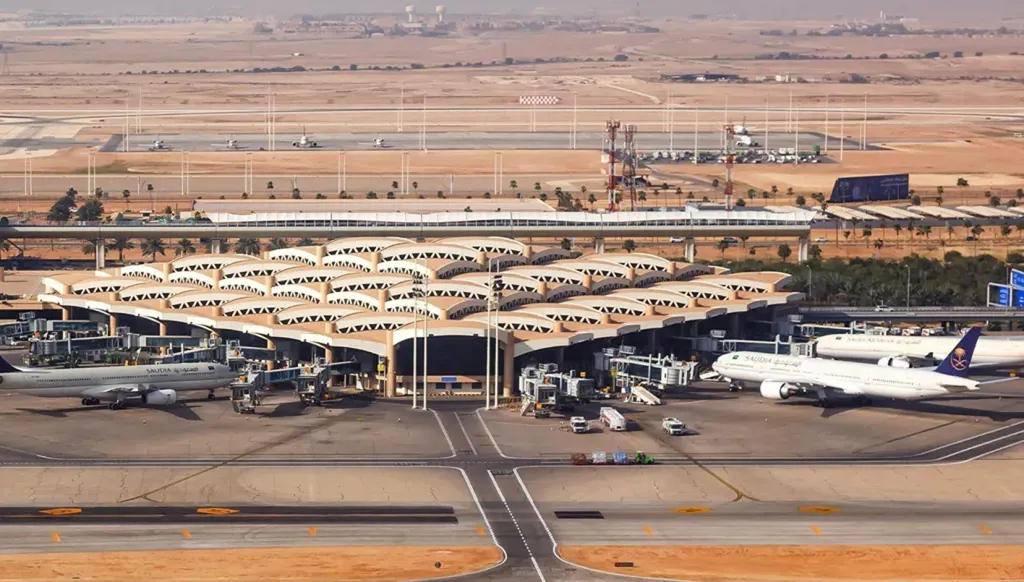
استأنف مطار الملك خالد الدولي عمله، فيما حدّثت شركات طيران دولية مواعيد رحلاتها إلى وجهات سعودية، وأعادت الخطوط الماليزية تشغيل رحلات جدة والمدينة المنورة.
كتاب النهار
10/21/2026 3:55:00 PM
لمجرّد أنه كاهن، غابت عن وسائل التواصل الاجتماعي عبارات الرحمة وترددت كثيراً عبارة "الحمدلله على نعمة الإسلام"
لبنان
10/19/2026 12:33:00 PM
ما هي القضية؟ إلى أي عام تعود؟ وما هي حيثياتها؟