





 واتساب
 يوتيوب
 انستغرام
 نبض
نبض
 ثريدز
ثريدز
Lebanon’s Children in Crisis: Education, Displacement, and NGO Response
Lebanon is currently facing a severe and prolonged humanitarian crisis shaped by the combined effects of economic collapse, recurring armed conflict, and weakened public institutions


شارك على
 مسنجر
مسنجر
 بريد إلكتروني
 الطباعة
شارك على




Marie Belle Kfoury
Lebanon is currently facing a severe and prolonged humanitarian crisis shaped by the combined effects of economic collapse, recurring armed conflict, and weakened public institutions. These overlapping challenges have fundamentally altered daily life for millions of people, turning survival into a constant struggle. The crisis is no longer defined by separate issues but by the way poverty, insecurity, and institutional breakdown reinforce one another across the country.
Economic Collapse and Expanding Poverty
The economic collapse has significantly deepened poverty throughout Lebanon. The national currency has lost most of its value, causing household incomes to shrink dramatically while the cost of essential goods continues to rise. Food, medicine, housing, and transportation have become increasingly unaffordable for many families. As a result, large segments of the population have been pushed into poverty, including groups that were previously considered middle class. Families are now forced to prioritize immediate survival over long-term needs, often reducing or completely abandoning expenses related to education, healthcare, and development opportunities. Employment has also become increasingly unstable, with many people relying on informal or low-income work that offers little to no security.
War, Displacement, traumas and Daily Insecurity!
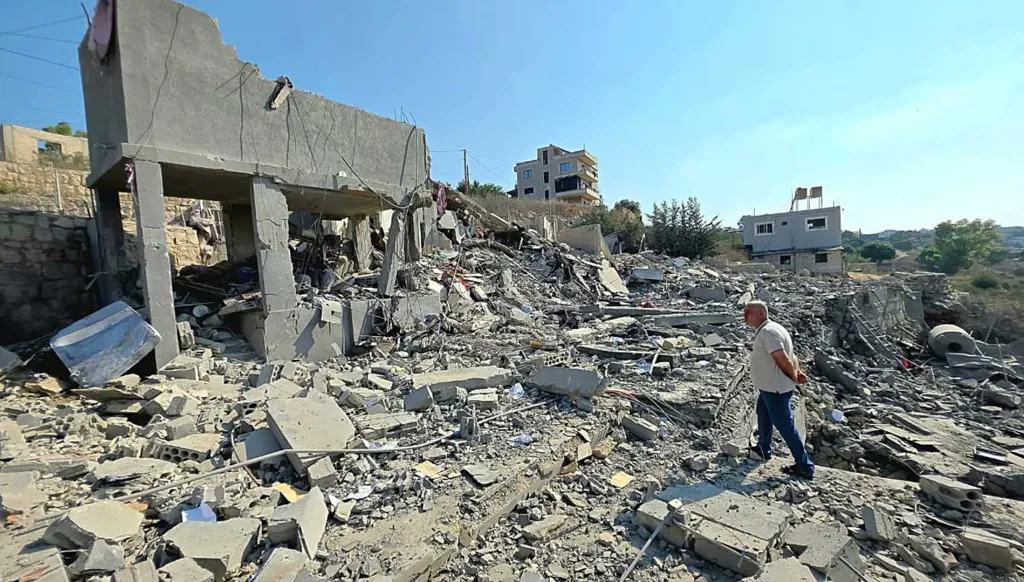
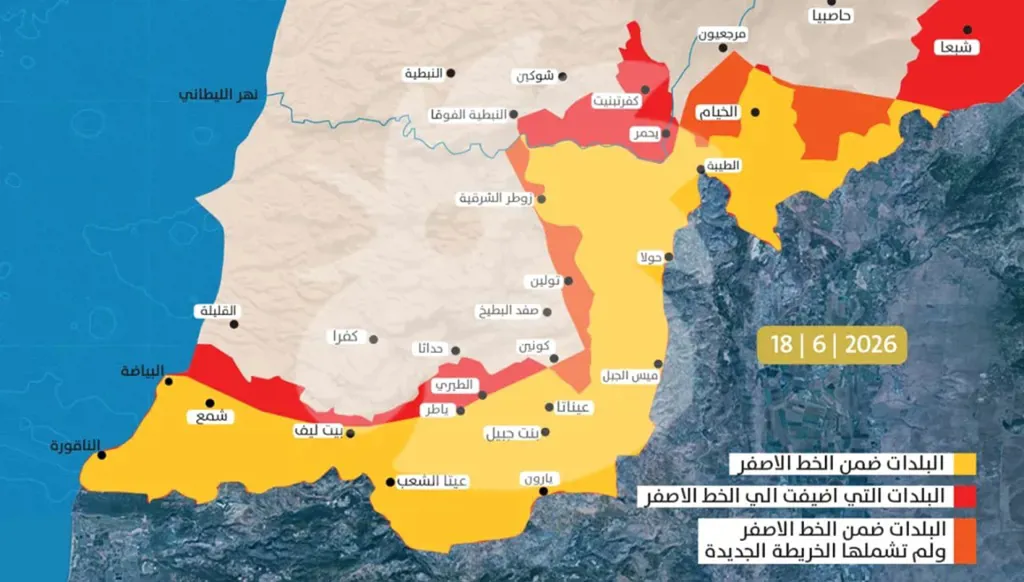
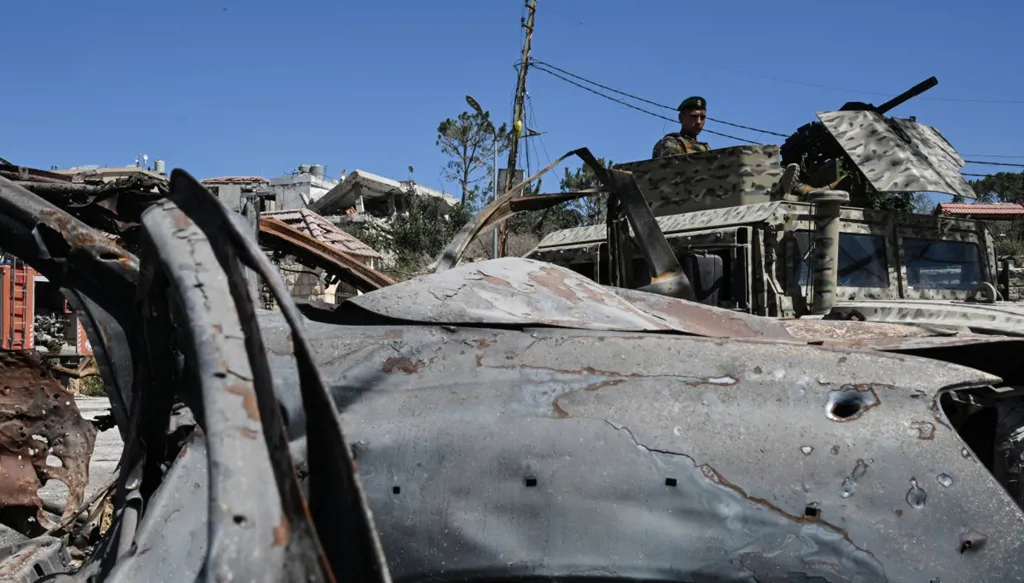
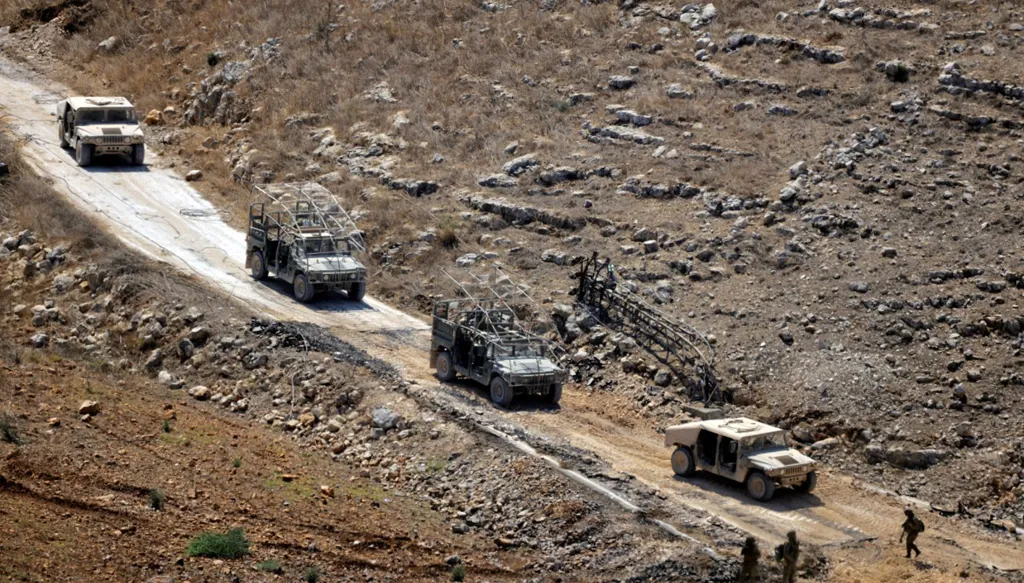
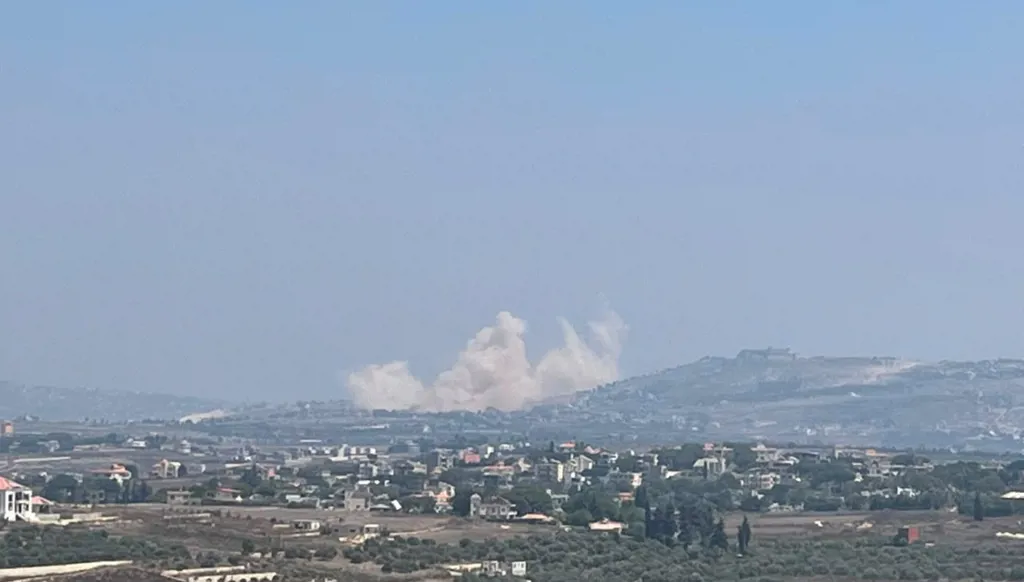
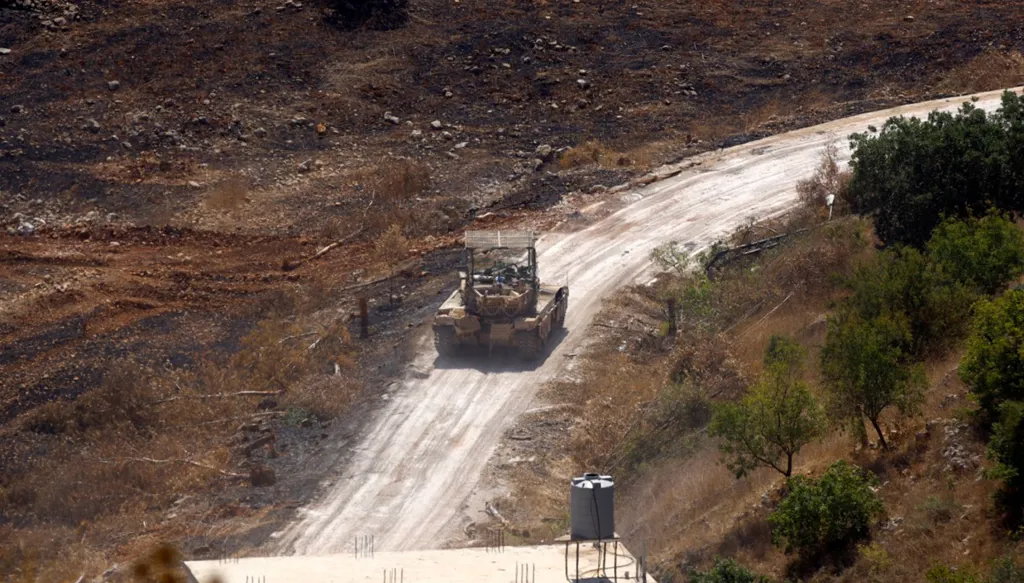
At the same time, ongoing conflict has intensified humanitarian suffering, particularly following the escalation of hostilities in 2026. Israeli airstrikes and Hezbollah responses have caused widespread destruction, displacement, and civilian casualties. Entire communities in southern Lebanon, Beirut suburbs, and border regions have been forced to flee their homes due to evacuation orders and continued insecurity. Many people are now living in temporary shelters or overcrowded areas where access to electricity, clean water, and healthcare is extremely limited. Even in regions not directly affected by strikes, daily life has been disrupted, with transportation, schooling, and economic activity heavily impacted. The psychological toll is especially severe for children, many of whom have experienced repeated displacement and loss of stability in their lives.
Education Under Collapse and Disruption
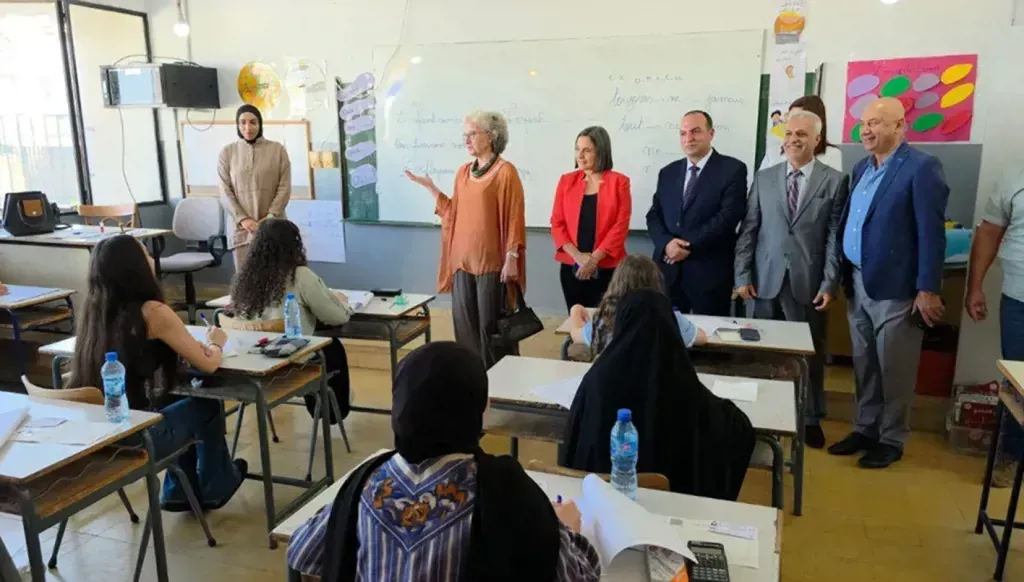
Education in Lebanon has been deeply disrupted by both economic hardship and conflict. Thousands of students have had their schooling interrupted due to damaged or destroyed schools, the use of school buildings as shelters, or closures caused by insecurity and lack of resources. Many families are unable to afford transportation, school materials, or basic educational needs. Public schools are under increasing pressure, facing overcrowding and limited resources, while teachers are struggling to maintain learning conditions under difficult circumstances. As a result, learning gaps are widening, dropout risks are increasing, and long-term educational inequality is becoming more severe. For many children, education is no longer a stable pathway but a fragile opportunity dependent on constantly changing conditions.
Social and Human Impact on Families and Children
The combined effects of poverty, war, and educational disruption are deeply felt at the household level. Families are often forced into impossible choices between food and rent, healthcare and education, or safety and displacement. Children are among the most affected groups, experiencing repeated displacement, loss of schooling, exposure to violence, and ongoing emotional stress. Childhood in this context is defined less by stability and development and more by uncertainty and survival.NGOs and Humanitarian ResponseIn response to these challenges, non-governmental organizations have become essential providers of humanitarian assistance. With public systems under severe strain, NGOs are delivering critical support such as emergency food aid, cash assistance, medical services, education programs for displaced children, and psychosocial support for families experiencing trauma. In many communities, these organizations represent the only consistent source of structured assistance, filling gaps left by weakened institutions and helping sustain basic survival conditions.
Community Solidarity and Local Resilience
Alongside formal humanitarian efforts, community solidarity remains a vital part of survival in Lebanon. Families continue to support extended relatives, neighbors share resources, and local volunteer groups organize aid distribution and fundraising initiatives. This informal network of mutual support plays a crucial role in helping communities cope with ongoing hardship, often serving as the first response during emergencies when formal systems are overwhelmed.
A Crisis of Systems and Childhood Protection
Lebanon today is facing a convergence of economic collapse, conflict, and institutional fragility that has profoundly reshaped society. Children are among the most affected, bearing the burden of displacement, interrupted education, and psychological stress. Despite these conditions, humanitarian organizations and local communities continue to provide essential support and demonstrate resilience in the face of overwhelming challenges.However, the scale of the crisis extends far beyond emergency response. It requires sustained humanitarian investment, strengthened institutional recovery, and long-term commitment to protecting children, restoring education systems, and rebuilding social stability. The future of Lebanon will depend not only on addressing immediate needs but also on rebuilding the foundations that allow children to grow, learn, and live in safety.

العلامات الدالة
الأكثر قراءة