Beirut struggles with overcrowding and rising tensions as displacement continues



شارك على
 مسنجر
مسنجر
 واتساب
 ثريدز
ثريدز
 بريد إلكتروني
 الطباعة
شارك على


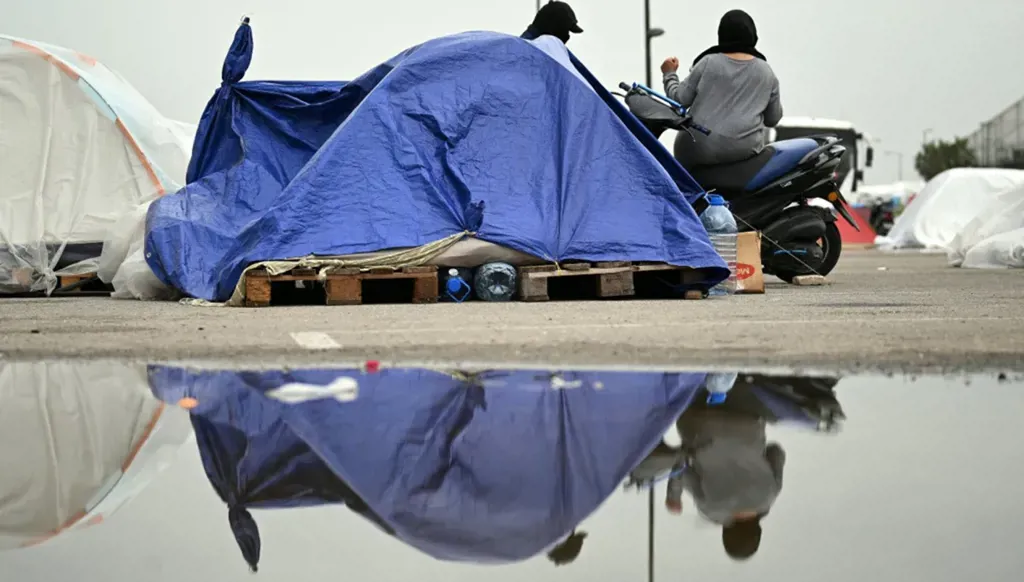


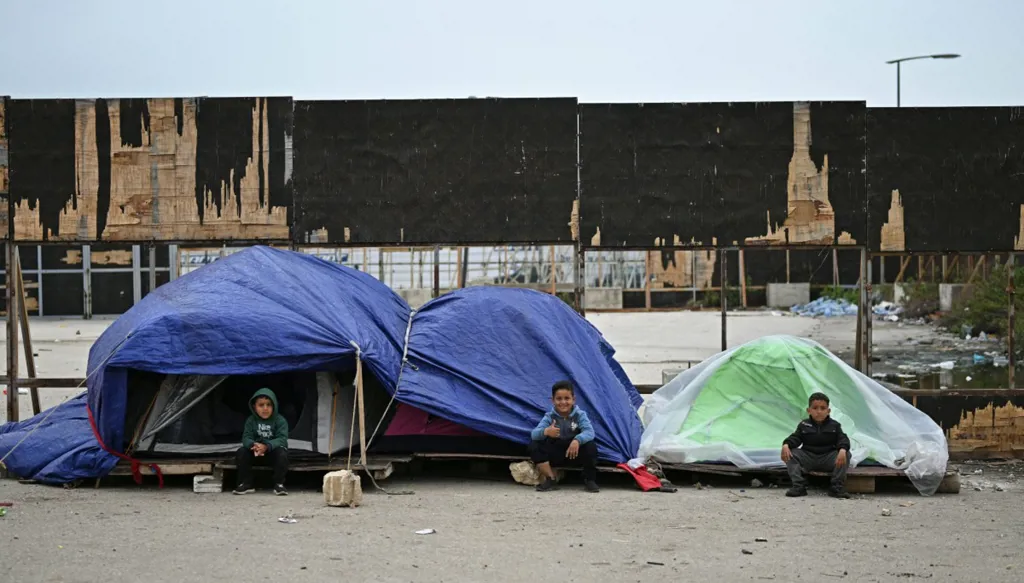
A month after the displacement, with more than a million Lebanese having left their homes and regions and a large number concentrated in Beirut, specifically in its western sector, either in shelters or on the streets, many, including members of parliament and local figures, fear issues that could threaten the safety of both the displaced and the original residents of Beirut.
Alongside overcrowding and poor living conditions, there is growing concern about the possibility of security tensions, with scattered incidents already occurring due to the heavy pressure and friction among people in streets that were already crowded before the displacement.
In the shelters, the situation is even worse due to overcrowding. Annahar has observed more than fifteen centers in the capital since the start of the war, and the common feature is that each room is divided into at least three sections to accommodate three families, meaning each room houses around fifteen people.
In this context, commenting on the security situation in the capital, MP Ibrahim Mneimneh told An-Nahar that the situation "remains under control, especially after the army was deployed in the streets, which is what we have been calling for since the start of the displacement, as people have anxieties, and the presence of the army is reassuring."
MP Nabil Badr confirmed that "problems do occur, which is understandable given the psychological state," adding that "these problems happen between the displaced and the host communities, as well as among the displaced themselves. Gradually, we are losing the space for solidarity and interaction between people, but the situation remains acceptable for now, with concern for the period ahead."
The government, security agencies, and the army are closely involved in these tense conditions. In a previous interview with Annahar, Minister of Social Affairs Hanin Al-Sayyed emphasized that "problems in the shelters remain limited, and even these limited problems are unacceptable and must be reduced."
A security source in the capital explained to Annahar that "all security agencies are working on the displacement issue, specifically in Beirut, as it hosts a massive number of people and most of the problems are concentrated there." The source added, "Those in charge of the shelters are in continuous contact with the intelligence and army intelligence divisions whenever any problem occurs, even a very small one. Officers handle dozens of cases daily as peacefully as possible, taking everyone's situation into account."
Many fears and concerns loom if the war continues and displacement persists. In that case, the cost of the war may not be limited to the destruction of buildings and villages, but could also extend to social ties and the fragile civil peace.
العلامات الدالة
الأكثر قراءة