Iraq 2026: Navigating political deadlock, economic strain, and security challenges
As Baghdad juggles internal divisions, regional pressures, and economic uncertainty, the coming year could determine whether Iraq consolidates stability or slips back into crisis.


شارك على
 مسنجر
مسنجر
 واتساب
 ثريدز
ثريدز
 بريد إلكتروني
 الطباعة
شارك على


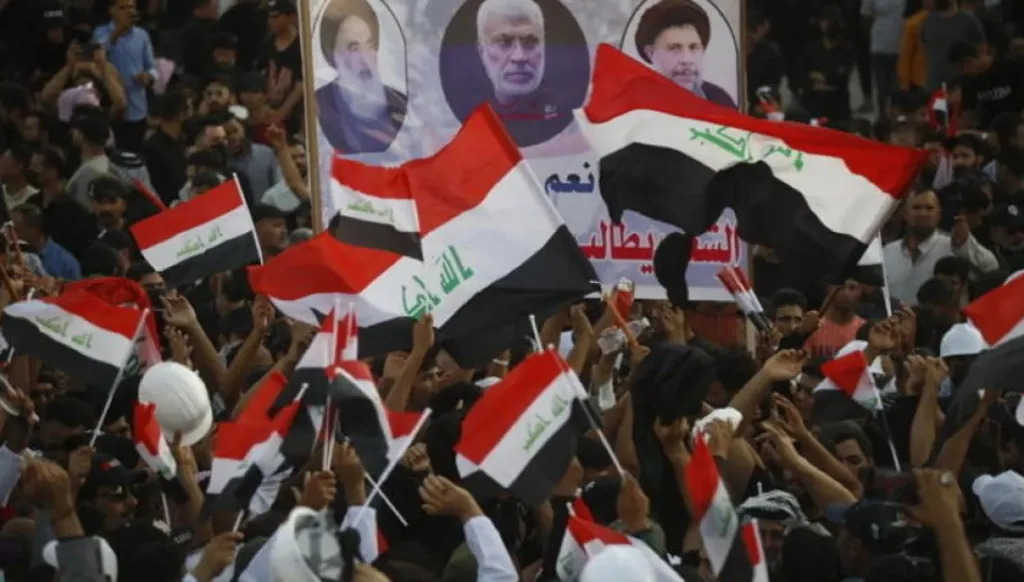


Iraq enters 2026 amid a complex landscape where political shifts intersect with economic pressures and ongoing security challenges, alongside evident confusion among political forces across Shiite, Sunni, and Kurdish blocs. The arrangements that shaped the previous phase are no longer easily sustained, a reality reflected in early disputes over entitlements in the new parliamentary session - particularly regarding the positions of the speaker and deputy speakers - amid intense competition within the major political alliances.
Politically, the failure of a meeting held at the home of Ammar al-Hakim (former President of the Islamic Supreme Council of Iraq) to agree on a candidate from the Coordination Framework for the post of First Deputy Speaker of Parliament underscores the depth of divisions within the bloc and the competing visions over how influence should be distributed in the next phase.
Meanwhile, the Sunni political landscape appears no less complex, with continued rivalry between Mohammed al-Halbousi and Muthanna al-Samarrai over the speakership, despite efforts by the National Political Council to resolve the issue ahead of the first parliamentary session. Taken together, these disputes highlight the fragility of political cohesion and suggest that the struggle is less about individual positions than about defining the balance of power for the next four years.
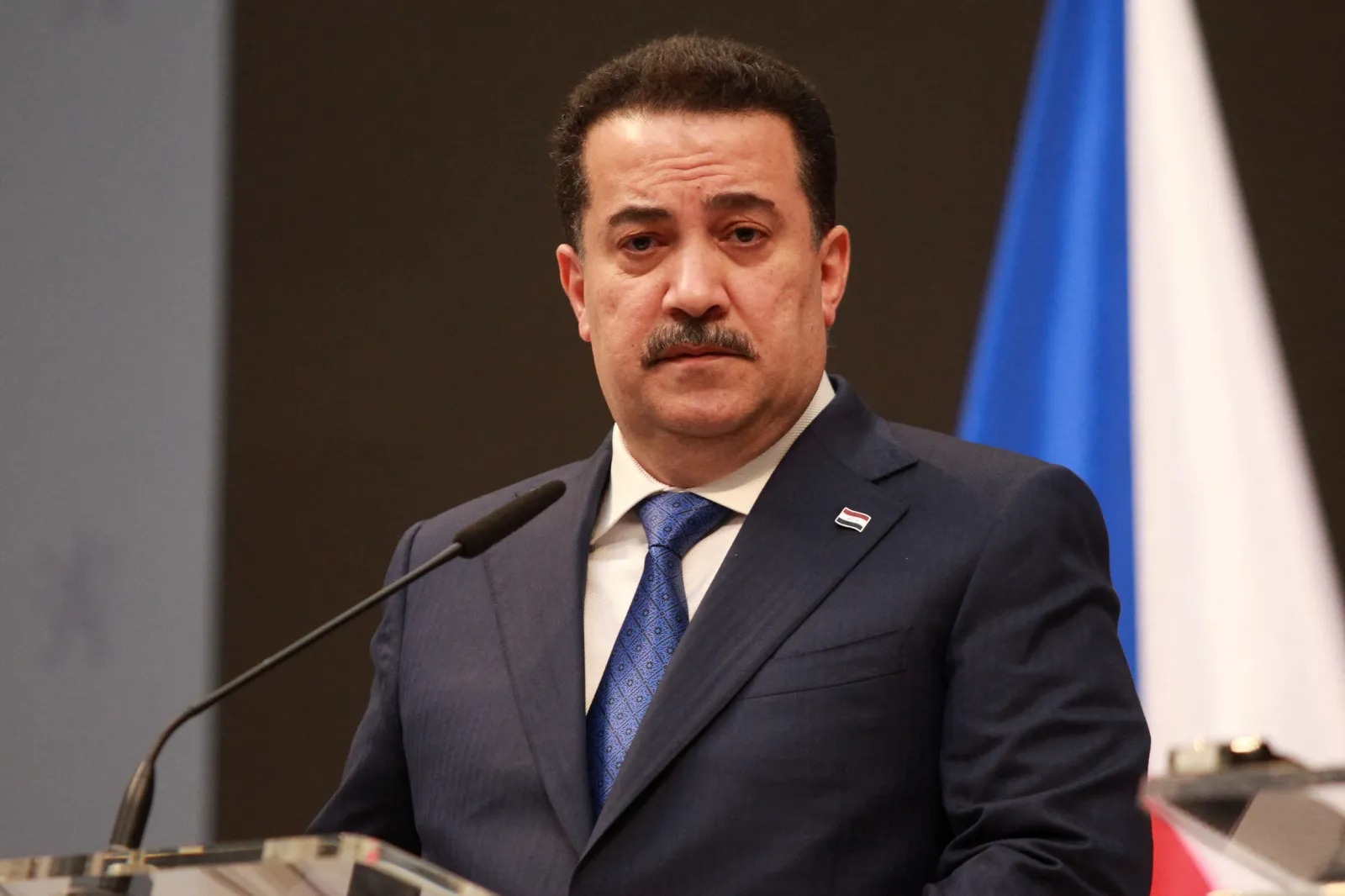
Aed al-Hilali, a political analyst close to the Prime Minister, told Annahar that 2026 is likely to be a pivotal year for Iraq’s political scene, describing the most probable scenario as one of “conditional stability.” He explained that, in the absence of strong institutional foundations, the situation remains vulnerable to disruption from both internal and regional shocks.
Al-Hilali added that while Prime Minister Mihammed Shia' al-Sudani’s chances of securing a second term “are possible, they are not guaranteed,” as they depend on the balance of power within the Coordination Framework. Meanwhile, the return of Nouri al-Maliki (former PM), though theoretically possible, faces significant internal and external obstacles.Al-Hilali emphasizes that a consensus government remains the most likely outcome, given the immaturity of the political majority project. He anticipates broad cabinet reshuffles in 2026 rather than a complete government change, with Iraq continuing to navigate a delicate balancing act amid the U.S.-Iran tensions.
According to him, the coming year will be decisive, determining whether the country consolidates stability or slips back into political deadlock.
In security matters, Najm Al-Qassab, head of the Al-Mawar Center for Studies, believes that 2026 could represent a turning point, particularly regarding the leadership of Iraq’s key state institutions. He suggests that there may be internal political will for change, potentially reinforced by external pressures or a U.S. interest in reshaping the political landscape.
Al-Qassab emphasizes that controlling weapons under state authority will be a top priority for any upcoming government, noting that reactions from certain factions indicate a shift in the current phase’s dynamics. He stresses that the proliferation of arms outside state oversight has hindered investment and that meaningful security improvements would directly benefit the economy and business environment.
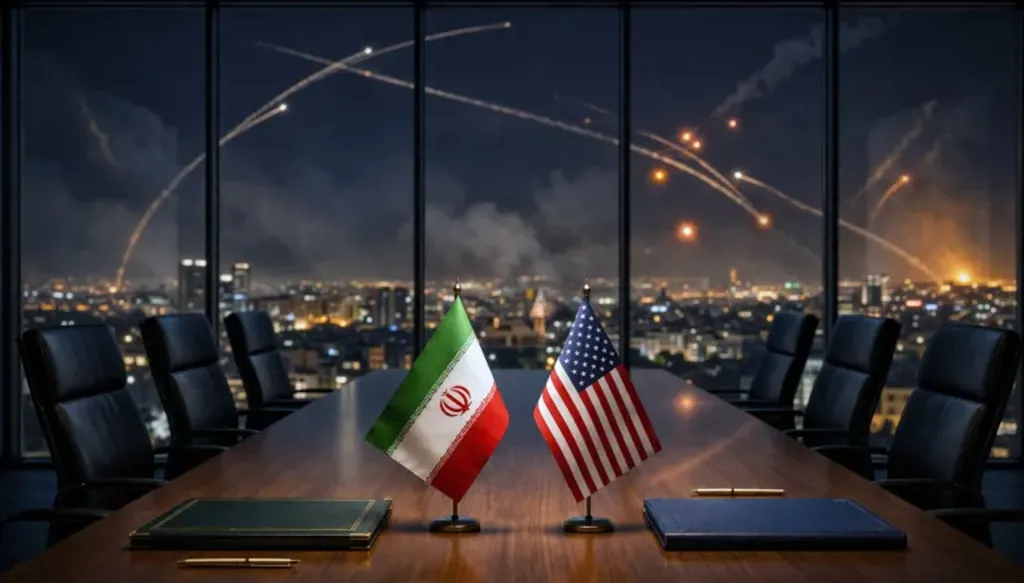
Regionally, Al-Qassab anticipates that Iraq could emerge as a zone of relative calm, bolstered by growing U.S. interest and a partial pullback of other regional actors. This trajectory is reinforced by outgoing al-Sudani’s announcement of initiatives to host negotiations between Washington and Tehran in Baghdad, positioning Iraq as a mediator and helping lower the risk of regional escalation.
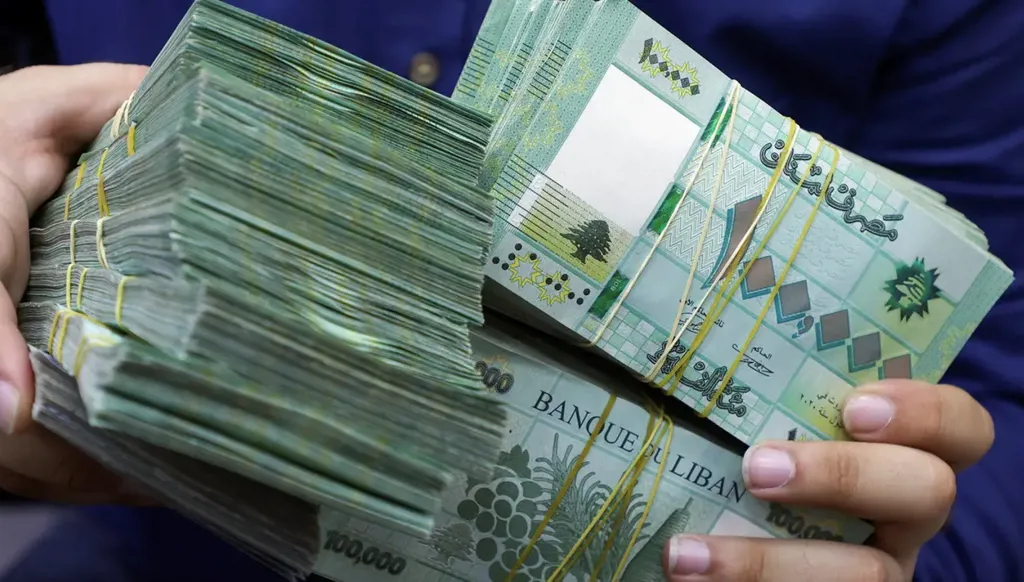
Economically, Iraq is facing equally critical challenges. Financial and banking expert Mustafa Hantoush predicts that the upcoming phase will require a shift in both economic thinking and implementation, moving away from near-total reliance on oil toward addressing inefficiencies in taxation, state-owned assets, and public services. He warns that maintaining the current model risks impoverishing an even larger segment of society, emphasizing the urgent need to open the economy and tackle corruption. Hantoush highlights the strengthening of the banking system and the return of foreign remittances as potential entry points for broader reforms and restoring public trust.
For his part, economic expert Ahmed Adnan stresses that Iraq’s 2026 budget will serve as a real test of the state’s capacity to manage the deficit and diversify revenue sources. This challenge comes amid rising salary costs, subsidies, energy obligations, and Iraq’s continued reliance on oil, including its commitments within OPEC+. He warns that any oil price shocks or external financial constraints could force the government into difficult decisions that may impact social spending.

العلامات الدالة
الأكثر قراءة