Moroccan Sahara autonomy: A new era of regional influence and development


شارك على
 مسنجر
مسنجر
 واتساب
 ثريدز
ثريدز
 بريد إلكتروني
 الطباعة
شارك على


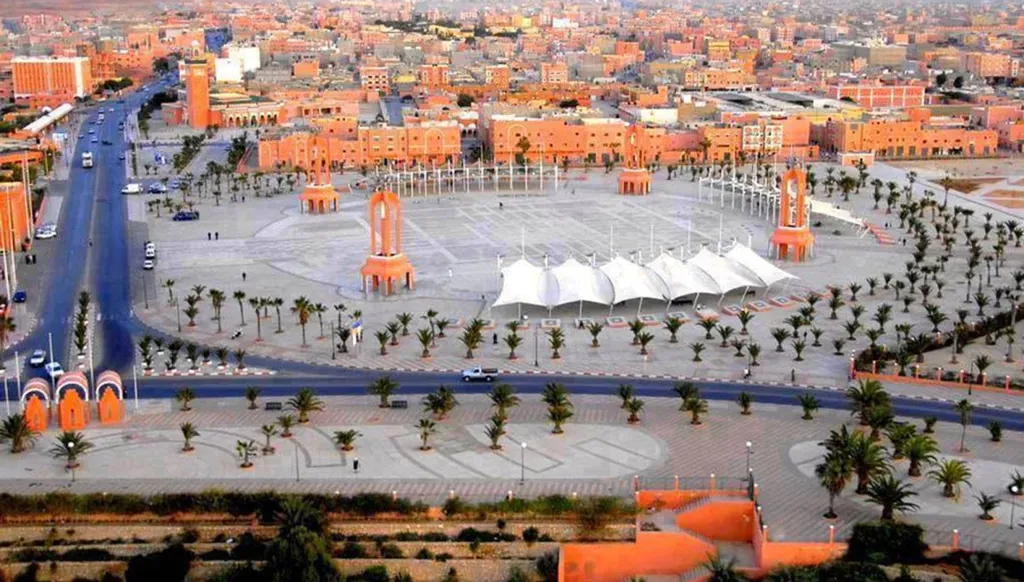


Amid controlled secrecy over the information released, the United States Mission to the United Nations revealed that last Sunday, the Spanish capital Madrid hosted talks involving the parties concerned with the manufactured conflict in the Moroccan Sahara: Morocco, Algeria, Mauritania, and the Polisario Front. According to the U.S. mission, the discussions aimed to implement the latest UN Security Council Resolution 2797.
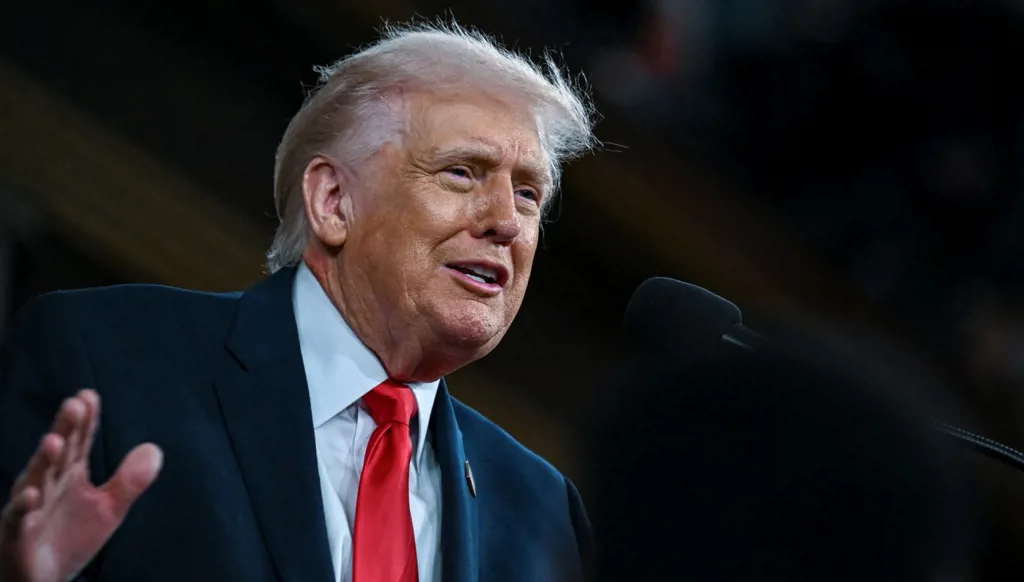
Spanish media reported that the talks took place inside the U.S. embassy, meaning they occurred on American soil, highlighting the decisive and serious U.S. role led by President Donald Trump’s advisor, Massad Boulos. In an interview with Annahar a few weeks ago, Boulos reaffirmed U.S. support for Morocco, emphasizing that autonomy is the only viable solution for dialogue between the parties.
The Madrid meeting followed a previous highly secretive meeting in Washington and came after Boulos’ visit to Algeria, which was undisclosed by both him and Algerian authorities. The Madrid talks reveal a strategic shift not seen since the beginning of the conflict. They effectively overturned Algeria’s three “no’s”: refusal to be considered a party to the conflict, refusal to participate in the roundtables it had left in Geneva, and refusal to accept autonomy as the sole basis for negotiation.
In other words, Algeria is now facing a critical moment of truth. Much of the secrecy surrounding the talks appears designed to give Algeria and the Polisario Front time to reshape their narrative about the conflict and prepare domestic opinion to accept a new reality after decades of a singular, Cold War–era rhetoric.
By contrast, Morocco occupies a comfortable position, grounded in a clear vision of the conflict and the framework set years ago by King Mohammed VI through the autonomy plan, which has evolved from a Moroccan proposal into an internationally recognized solution.
Since the UN Security Council approved the historic Resolution 2797, which recognizes the autonomy proposal under Moroccan sovereignty as the only framework for negotiations between the parties to the conflict, the Moroccan Sahara issue has entered a distinct diplomatic and economic dynamic. This development highlights Morocco’s sovereignty, most notably through the support of all European Union countries for the autonomy proposal for the first time during the Partnership Council with Morocco on January 29 in Brussels.
A week later, the Moroccan government signed an agreement with the international ORNX consortium, which includes American, Spanish, and German companies, to reserve land for a large-scale low-cost ammonia production project in the city of Laayoune, with an investment estimated at around $4.5 billion. The consortium comprises the American company Ortus, Spain’s Acciona, and Germany’s Nordex, planning three integrated projects for producing green hydrogen and its derivatives in Morocco’s southern regions. This agreement represents a tangible exercise of Moroccan sovereignty over its southern territories.
Morocco’s diplomatic presence has continued strongly. On February 11, 2026, Morocco was elected to the African Union’s Peace and Security Council with a comfortable majority—34 votes in the first round—for a two-year term. This marks the third time Morocco has been elected to the council since rejoining the African Union in 2017. Given the context of this recent election, especially after the self-proclaimed “Republic” withdrew its candidacy to avoid a resounding defeat, the result reflects Morocco’s strategic presence in Africa as a reliable partner in combating terrorism and supporting stability and security across the continent.
Morocco’s influence is also strengthened through economic partnerships built on win-win principles, including initiatives such as the Africa-Atlantic initiative, the Nigeria–Morocco gas pipeline serving 13 African countries, and the royal initiative linking the Sahel and Sahara regions to the Atlantic Ocean through the new Dakhla port. These projects are designed as developmental responses to decades of instability, underdevelopment, and the structural conditions that have perpetuated violence in the region.
Morocco’s renewed presence on the African Union council gives it the ability to protect one of the continent’s most important institutions from serving ideological agendas—particularly the separatist Polisario Front’s narrative—and to prevent the issue of the Moroccan Sahara from being confined solely to the UN Security Council, in line with the African Union summit decision held in Nouakchott, Mauritania.
The voting results also reflect the impact of King Mohammed VI’s extensive visits and tours across Africa over the years, which culminated in the signing of more than 1,000 partnership and cooperation agreements covering all economic, social, cultural, and security sectors. Importantly, these agreements reached every region of the continent without political or ideological conditions, including countries that were not aligned with Morocco on its territorial unity. Morocco’s approach focused on building bridges and letting actions, results, and time naturally achieve the necessary revisions, breaking ideological barriers, preconceived notions, and psychological obstacles that had been sustained through adversarial logic.
This external momentum is also linked to the national discussion on updating the autonomy proposal ordered by King Mohammed VI, considering the significant transformations Morocco has experienced since 2007, particularly following the 2011 constitutional reform and the 111.14 framework law on regional organization, as well as practical experience in decentralization and local governance. Reports from Madrid indicated that Morocco submitted a 40-page proposal; however, the significance lies not in the number of pages, but in Morocco’s serious engagement with the international community’s demands and its readiness for the next stages.
What remains crucial is that the other parties recognize the importance of timing in building a new future for the region, rather than relying on the mistaken assumption, as they previously did, that time alone could undermine the autonomy proposal, without fully understanding the geostrategic transformations shaping the world—and our region at its center.
Disclaimer: The opinions expressed by the writers are their own and do not necessarily represent the views of Annahar
العلامات الدالة
الأكثر قراءة