The rise and fall of Rafic Hariri: Lebanon’s modern statesman
A businessman turned prime minister, Hariri’s journey from reconstruction to assassination changed Lebanon’s political landscape forever.


شارك على
 مسنجر
مسنجر
 واتساب
 ثريدز
ثريدز
 بريد إلكتروني
 الطباعة
شارك على


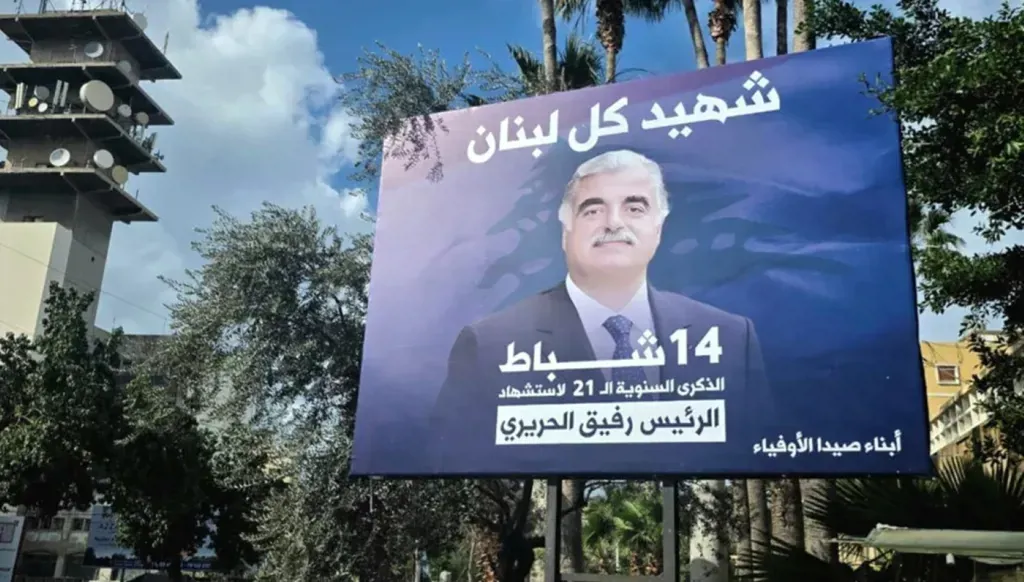


On November 1, 1944, Rafic Baha El Deen Hariri was born in the city of Sidon, in a modest house far from the legacy of traditional political leadership. His path did not suggest that he would become one of the most influential figures in modern Lebanese history, yet his journey would take him from Sidon's popular neighborhoods to the center of regional and international affairs. In the 1960s, he moved to Saudi Arabia, where he built his career in the contracting industry, achieving significant financial success that made him one of the most prominent Arab businessmen, and forging close ties with the Saudi leadership that would open political roles for him during a critical phase of the region's history.
As the Lebanese war drew to a close, Hariri's name appeared in the communications preceding the Taif Agreement in 1989. Though he was not part of the official Lebanese delegation, he played a crucial role in shaping the political and financial conditions that ensured the agreement’s success. Ratified on October 22, 1989, the Taif Agreement laid the constitutional foundation for ending the war and rebuilding state institutions. From that moment, Hariri’s true political life began, culminating in his assignment on October 31, 1992, to form his first government amid a severe financial and monetary collapse following years of conflict.
Between 1992 and 1998, Hariri led an extensive reconstruction effort, revitalizing downtown Beirut through the company Solidere and launching ambitious infrastructure projects, including the airport, roads, and telecommunications networks. He positioned himself as an economic savior, determined to restore Lebanon’s place on the Arab and international stage, successfully attracting international support conferences, most notably the Paris I conference in 2001. However, his financial policies, which relied heavily on borrowing to fund reconstruction, sparked growing controversy over the rising public debt and the costs of the economic model he adopted.
On November 24, 1998, Army Commander General Emile Lahoud was elected President of the Republic, signaling a shift in both internal and regional balances. A few days later, Hariri stepped down from the premiership, succeeded by President Salim Hoss. On that day, he spoke the words that would remain in memory: “I entrust this beloved homeland to God…” What seemed like a political setback for a man who had dominated public life for six years soon gave way to a rapidly changing scene.
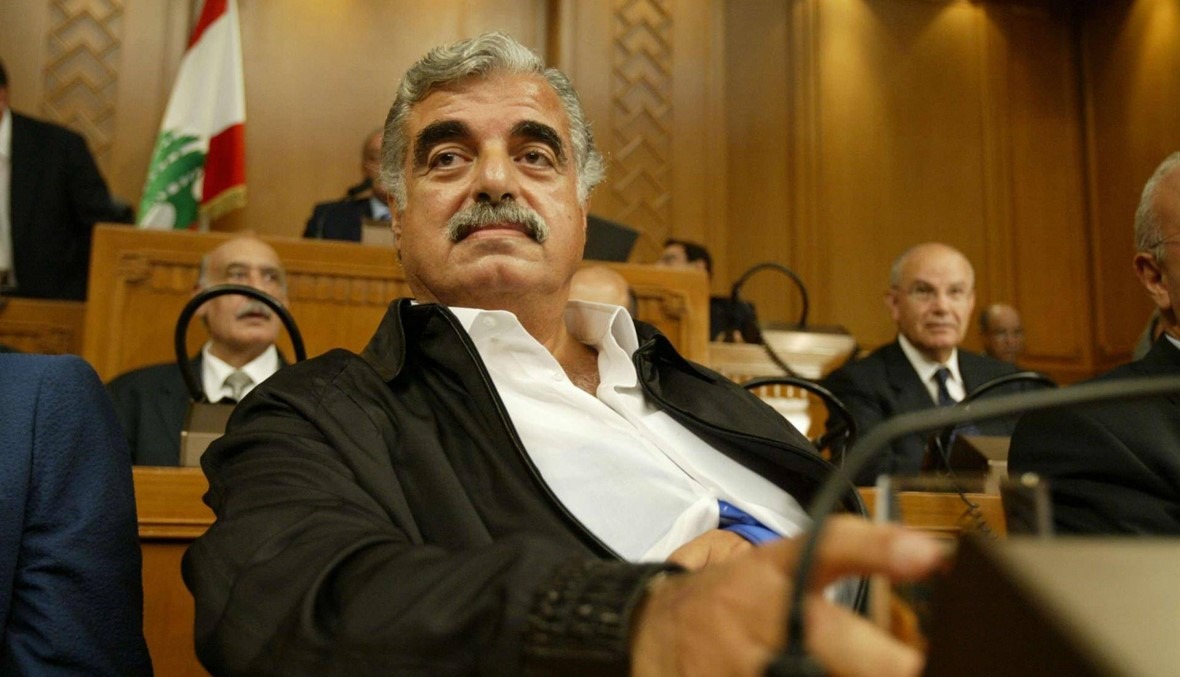
In the summer of 2000, following the parliamentary elections held between August 27 and September 3, Hariri achieved a resounding victory, particularly in Beirut, where his lists won all seats, surpassing all opponents. These results brought him back to the premiership on October 23, 2000, at the height of his popular and political influence, backed by a strong parliamentary bloc and a presence that transcended sectarian lines. This period coincided with Israel’s withdrawal from southern Lebanon on May 25, 2000, ushering in a new political phase for the country.
Throughout the 1990s and early 2000s, Hariri navigated Lebanon’s political landscape pragmatically, fully aware that effective governance required managing the Syrian presence in the country. He maintained a strong working relationship with President Hafez al-Assad, but the dynamics shifted following Assad’s death on June 10, 2000, and Bashar al-Assad’s rise to power. Increasing divergences with President Emile Lahoud over authority and political approach gradually eroded the previously harmonious relationship with Damascus.
The year 2004 marked a decisive turning point. On September 1, international Resolution 1559 was issued, calling for the withdrawal of foreign forces from Lebanon and the disarmament of militias. Just two days later, the Parliament approved an amendment to Article 49 of the constitution, extending President Lahoud’s term by three years. Hariri opposed the extension behind the scenes but accepted it under significant political pressure, before submitting his resignation on October 20, 2004. From that moment, he appeared to adopt a different political stance, moving closer to a sovereign discourse that demanded a rebalancing of Lebanese-Syrian relations.
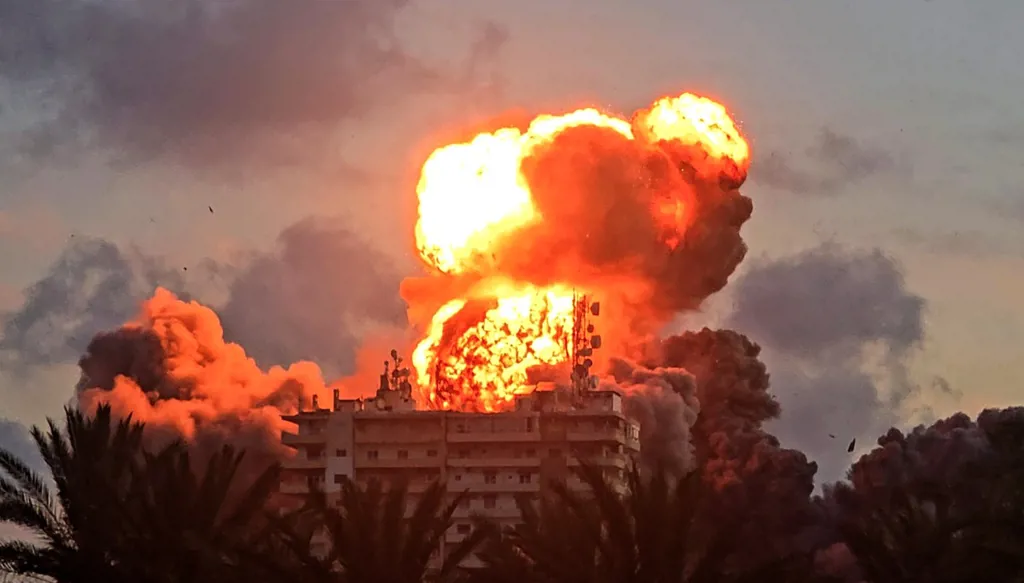
On February 14, 2005, at 12:55 PM, a massive explosion shook the Saint George area in downtown Beirut, targeting Hariri’s convoy. His assassination was not merely a security incident but a political earthquake that upended the post-Taif balances. On March 14, 2005, hundreds of thousands gathered in Martyrs’ Square for an unprecedented demonstration, and on April 26, 2005, Syrian forces withdrew from Lebanon after nearly three decades.
Between November 1, 1944, and February 14, 2005, the life of Rafic Hariri traced a defining chapter in Lebanon’s history. From spearheading reconstruction to sweeping the 2000 elections, from managing relations with Damascus to gradually distancing from it, and from the height of power to his assassination, Hariri remained a pivotal figure whose milestones are essential to understanding modern Lebanese transformations. His supporters remember him as the statesman who rebuilt the capital and opened Lebanon to the world, while his critics point to an economic model weighed down by debt. Yet the undeniable truth is that his rise and fall shaped a period whose consequences Lebanon continues to live with today.
Disclaimer: The opinions expressed by the writers are their own and do not necessarily represent the views of Annahar.

العلامات الدالة
الأكثر قراءة