Maya Nasr: From Lebanon to Mars – The Arab woman shaping the future of space and climate science



شارك على
 مسنجر
مسنجر
 واتساب
 ثريدز
ثريدز
 بريد إلكتروني
 الطباعة
شارك على


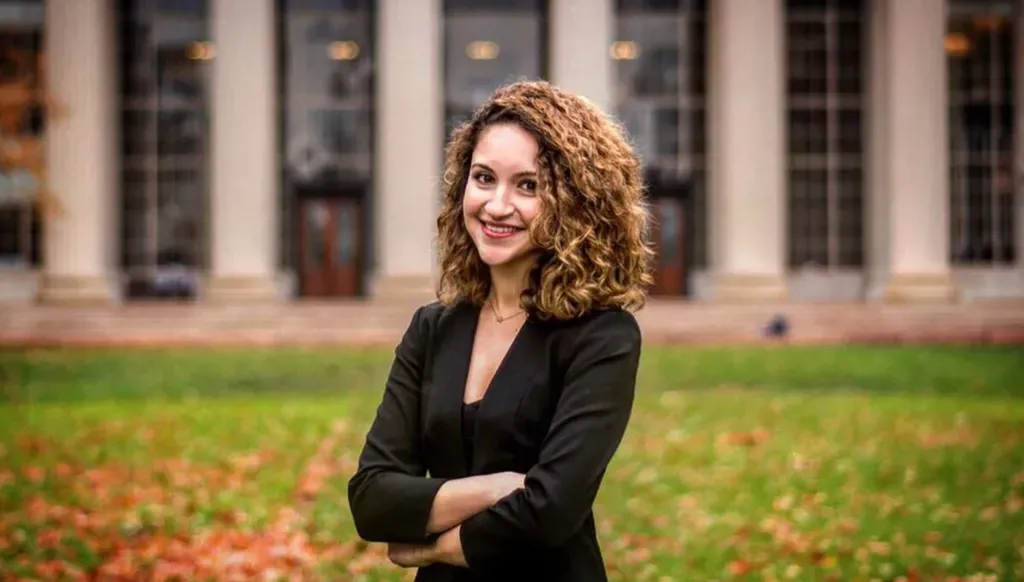


From a child in Lebanon who looked at the sky and asked existential questions about the universe and life, Maya Nasr carved her path in space science, driven by early curiosity, eventually becoming one of Forbes 30 Under 30 young global achievers. The landing of "Curiosity" on Mars in 2012 turned the dream into a realistic path, proving that space is not far for scientists from our region.
Today, Maya works on everything from methane detection to protect the climate to oxygen production experiments on Mars, combining science and responsibility. In this interview, she shares with Annahar her journey, her challenges as an Arab woman in space science, and her dream to go to Mars… and return to Earth.
What was the first moment or event that made you say: “I want to work in space and science?”
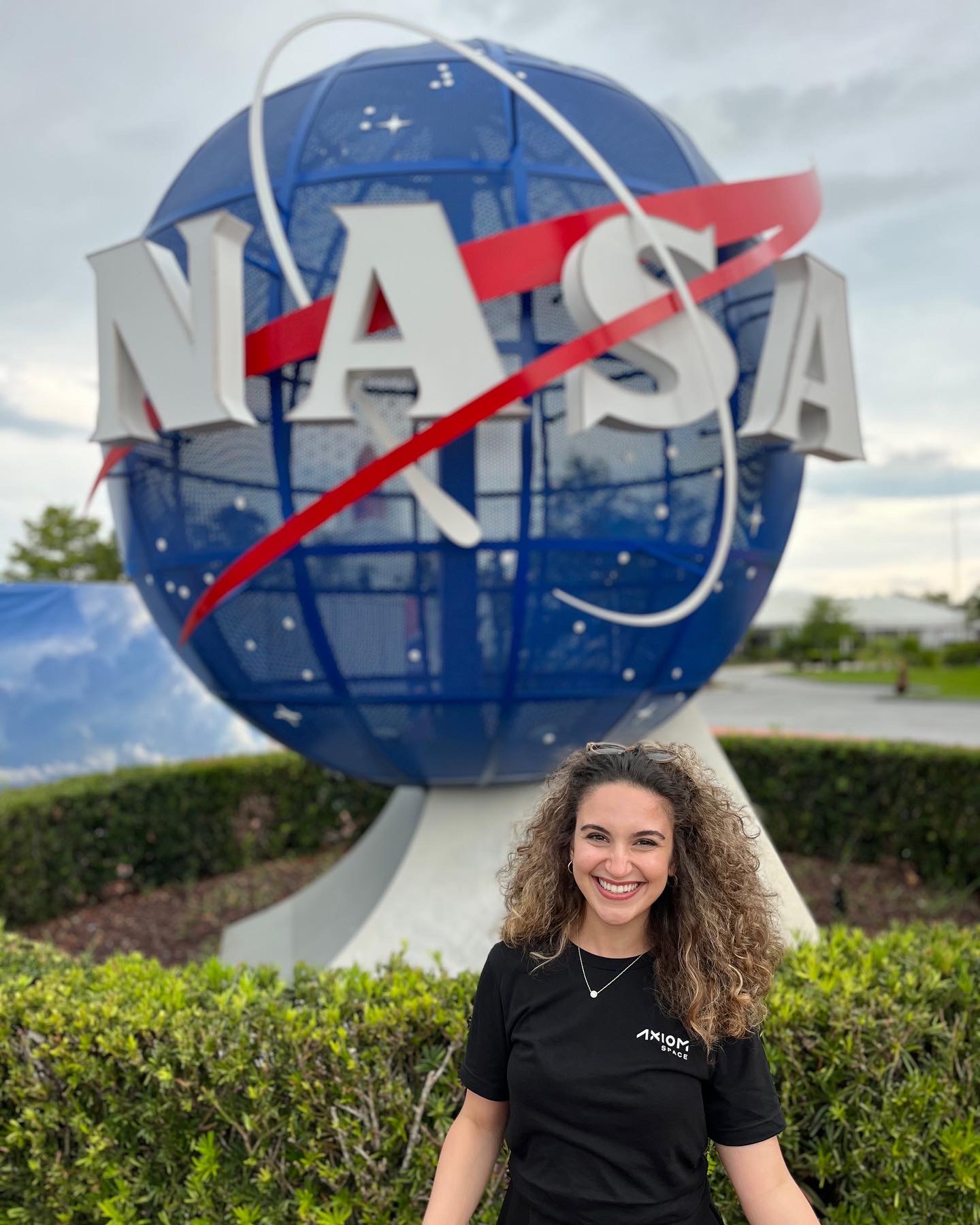
Since my childhood in Lebanon, I have had a deep passion for looking at the sky and asking big questions. It wasn’t just scientific curiosity—it was existential as well: How did the universe begin? Are we alone? Is there life on other planets? The dream of becoming an astronaut was with me from a young age, even before I understood what was scientifically possible. But a pivotal moment came when the "Curiosity" rover landed on Mars in 2012, especially since the scientific effort at NASA was led by the Lebanese-American scientist Charles Elachi. At that moment, I realized that space was no longer an abstract concept or science fiction, but a real human endeavor that someone from our region could lead—and that I, too, could one day be part of. That was when my childhood dream connected with scientific reality, and I linked my passion for the universe’s big questions with the real possibility of working to answer them.
If you weren't a scientist, what profession do you imagine yourself in today?
If I hadn’t pursued the path of science, I think I would have leaned towards politics. Growing up in the Middle East—a region filled with geopolitical challenges and conflicts—made me aware from an early age of the importance of political decisions and their direct impact on people’s lives and future. In fact, this interest has never disappeared from my scientific career, manifesting through my work in space laws and policies, where I research how to organize the use of space in a fair and peaceful manner, preventing the repetition of exploitation or conflict patterns we have witnessed on Earth.
Beyond politics, art has always held a special place in my life. I love poetry, writing, and painting, and see them as parallel means to science for understanding and expressing the world. For me, science, art, and politics are not separate spheres but different ways of answering the same question: How do we build a better future for humanity?
You have worked on methane on Earth and on resources on Mars. Which was more complex?
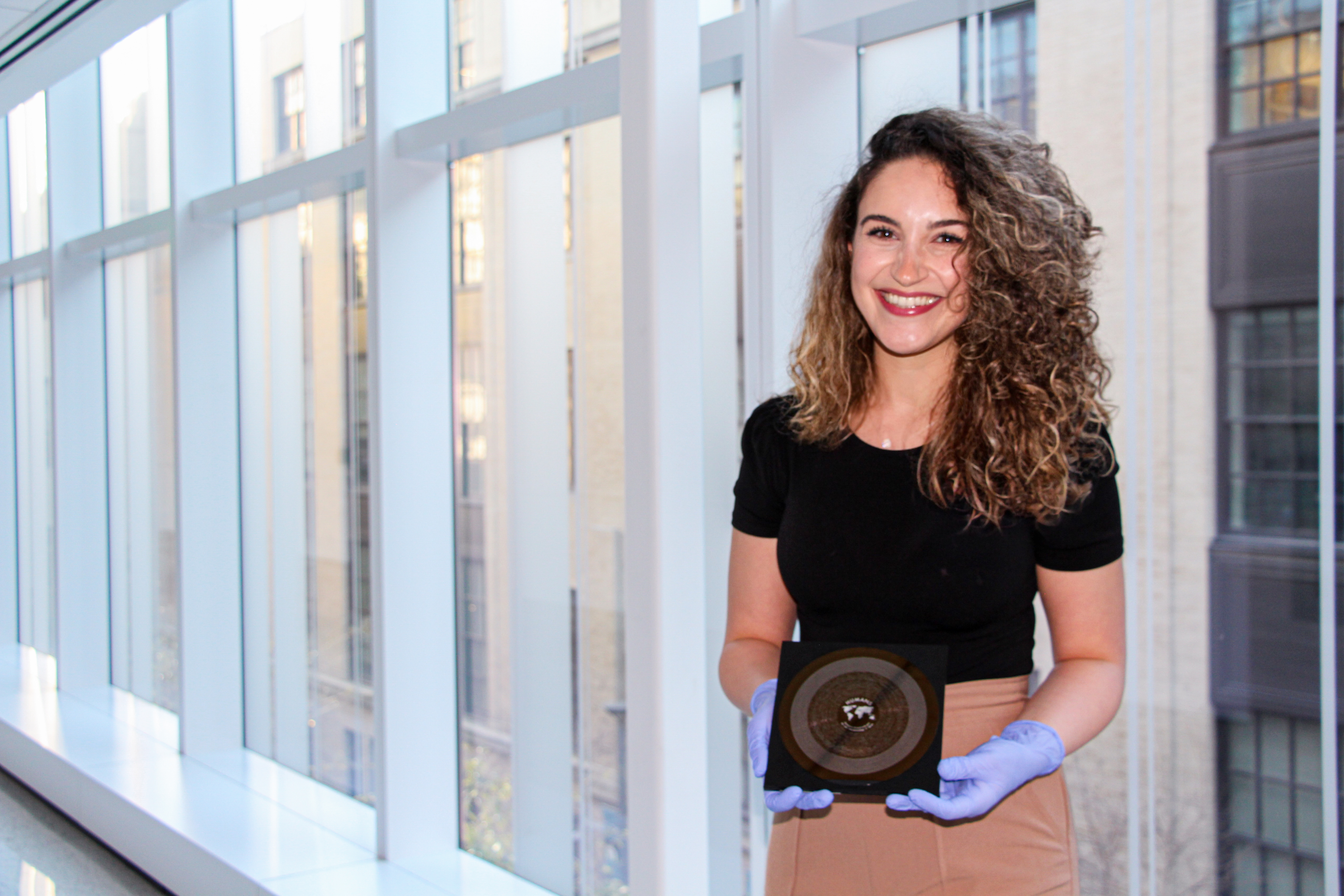
Both fields are complex, but in entirely different ways. Working on methane detection on Earth requires extremely high precision, as we deal with small quantities of a highly impactful gas, necessitating the analysis of vast and intricate satellite data to understand its sources and behavior. Meanwhile, working on resources on Mars, specifically through the MOXIE experiment, presented a challenge of a completely different kind. We were demonstrating, for the first time ever, the concept of in-situ resource utilization (ISRU) on another planet—producing oxygen from Mars’ own atmosphere. This meant working in an environment where nothing like it had ever been tested before, with immense constraints on energy, communication, and the ability for direct intervention. I always say both projects are difficult, but MOXIE was an unprecedented historic step in space exploration.
How did you feel when you received the first ISRU data from Mars through the MOXIE experiment?
It was one of the most intense moments of my professional life. During that period, we were working on Mars surface operations according to Mars time itself, which meant I was living almost entirely nocturnally and hadn’t slept well for days. When the first data arrived, I was responsible for receiving and analyzing it directly, while the entire mission team was gathered around me via Zoom. I was reading the numbers, interpreting them, and announcing the results moment by moment. The pressure was immense, as any mistake in the analysis could have altered our understanding of the experiment’s success. At the same time, there was an indescribable feeling of excitement and pride—realizing that you are working with data coming from another planet is an extraordinary experience. I continued in this role throughout the mission, from its start to its end in 2023, and it became a pivotal part of my scientific journey.
How do you explain to people, in one sentence, why detecting methane from space is important for human life?
Because methane is one of the strongest greenhouse gases, its climatic impact is far greater than that of many other gases. Detecting it from space allows us to accurately and rapidly pinpoint emission sources, helping us take effective action to protect both the climate and human health.
What was the toughest scientific or psychological challenge you faced as a woman in the field of space sciences?
One of the toughest challenges was the lack of role models who looked like me—as a woman and as a scientist from an Arab background—in this field. At times, the challenge was less scientific and more about a sense of belonging, or the constant need to prove oneself. Navigating different cultures and working in highly competitive environments requires strong psychological resilience. Yet these challenges pushed me to strive harder and helped me realize the importance of representation, not only for myself but for future generations.
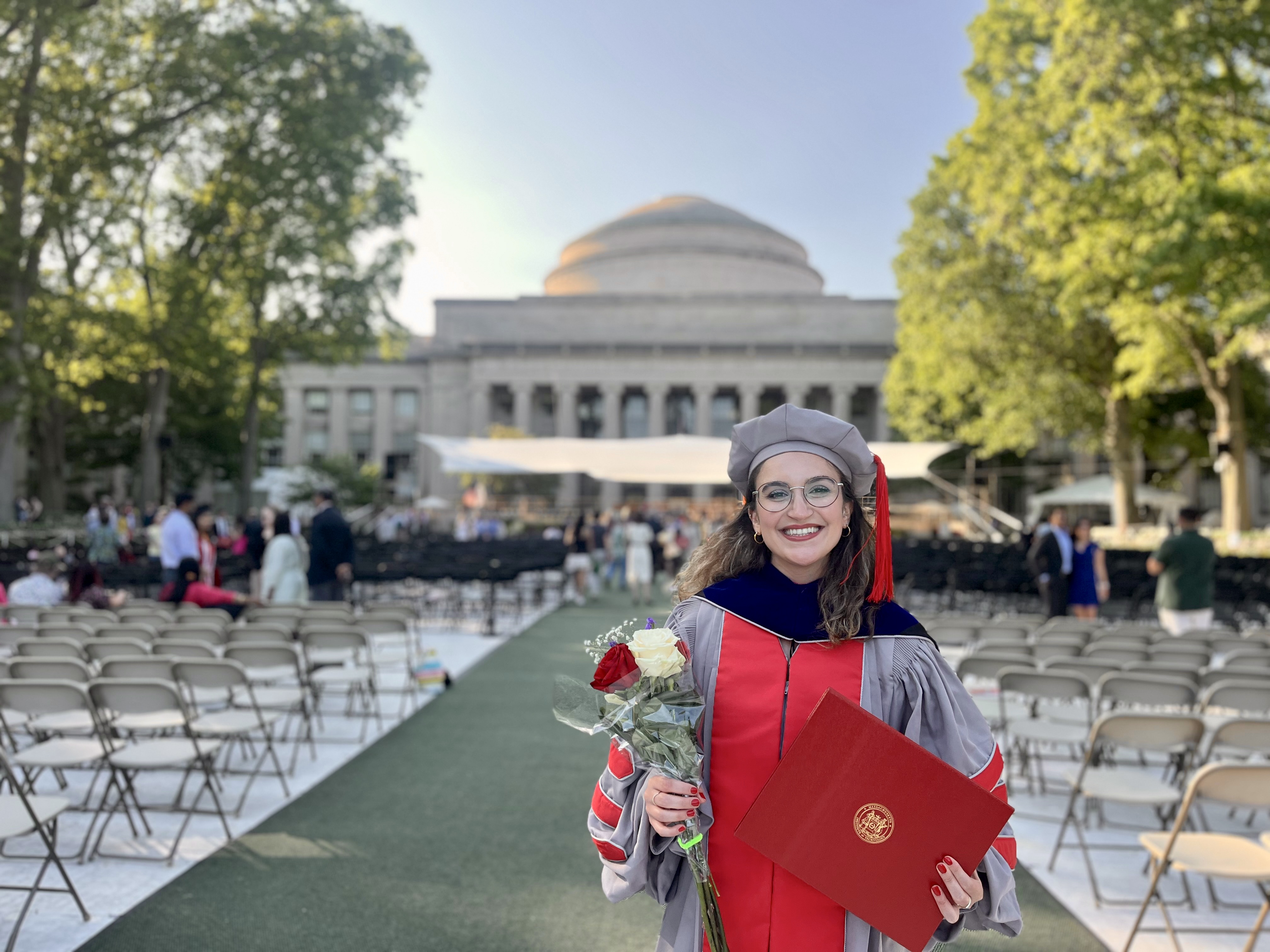
If you were offered a trip to Mars tomorrow, would you say yes immediately, or would you think it over twice?
What advice do you have for an Arab girl who dreams today of working in space?
To what extent can artificial intelligence be a tool for environmental rescue?
العلامات الدالة
الأكثر قراءة