Global stakes at Hormuz: Who will give in first to the economic and geopolitical strain?


شارك على
 مسنجر
مسنجر
 واتساب
 ثريدز
ثريدز
 بريد إلكتروني
 الطباعة
شارك على




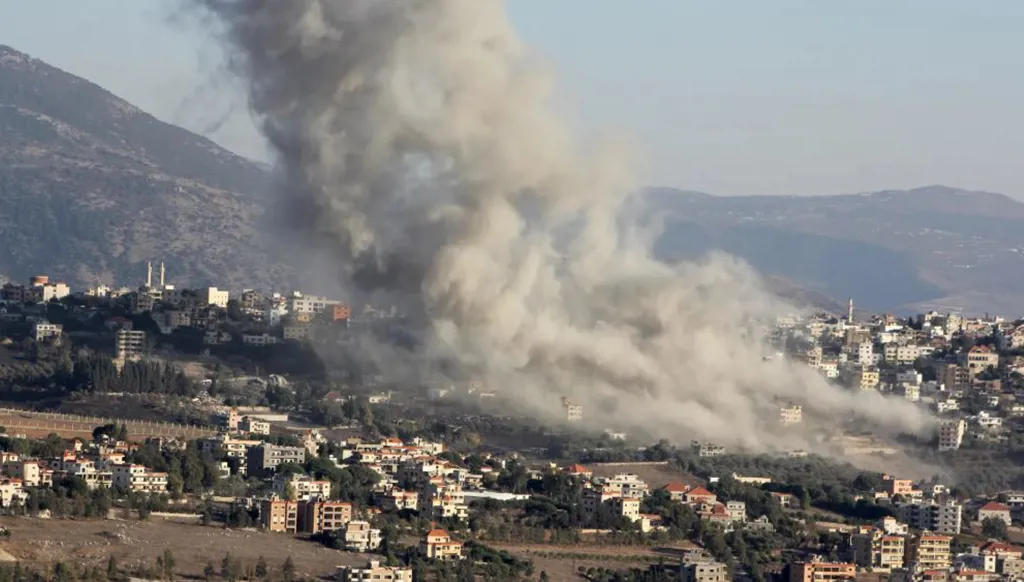
The question is no longer who will achieve military victory in a war against Iran, despite the enormous destruction inflicted on Iran’s military and security capabilities by the U.S.-Israeli coalition. It seems that the war has turned into a race between economic cost and the destruction of the Iranian regime’s ability to continue governing the country. Clearly, military, technological, and intelligence superiority is no longer the standard by which victory in war is measured or wars are concluded. Instead, economic cost has become a central measure of the outcomes of twenty-first-century wars.
After Iran used the threat to target Gulf countries and the closure of the Strait of Hormuz to raise the cost of war for everyone, the following questions have become urgent. Can Trump succeed in forming an international coalition to reopen the Strait of Hormuz, thereby stripping Iran of one of its most important geopolitical tools? Or will he fail and turn to other options?
Trump Overlooked the Oil Card in the War
American newspapers reported that the U.S. Joint Chiefs of Staff presented Trump with a scenario in which the Revolutionary Guard might close the Strait of Hormuz, yet he went ahead with the war. It is clear that he did not fully prepare for the strategy devised by the Iranian regime, which involves using oil as a weapon by closing the Strait of Hormuz and increasing the economic cost for everyone.
The failure was also reflected in his own words when he announced that he was surprised by the attacks on the Gulf countries. The lessons from the first two weeks of this war indicate that oil has once again become an important geopolitical factor in twenty-first-century conflicts. The direct economic cost of war is no longer the primary factor in determining its overall cost or influencing its duration. Instead, indirect costs now define the balance of gains and losses and ultimately determine the war’s outcome.
Trump stated a week ago that it takes about two weeks of rising oil prices for the situation to become a political crisis. This is why his attention is now fixed on the rising price of gasoline in the United States, which will be a key factor in controlling the duration of a war that has turned into a race between cost and destruction—In other words, who will break first?
The Strait of Hormuz and the Complex Options
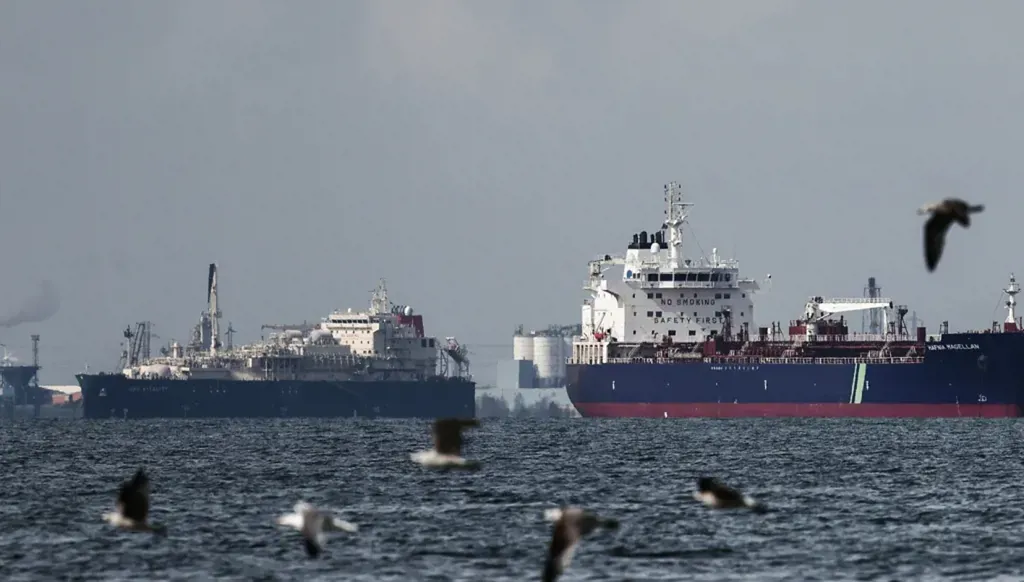
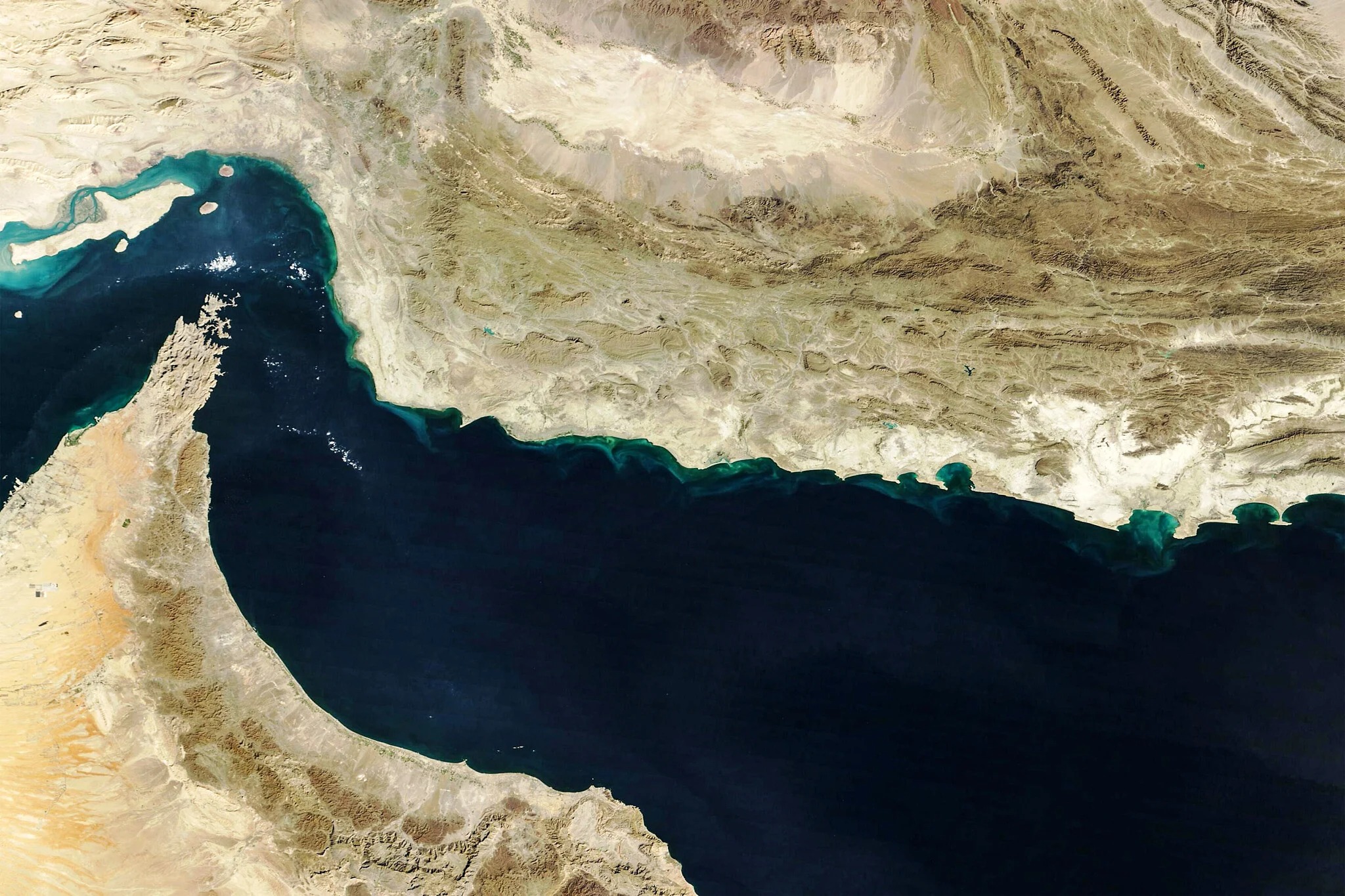
The issue of closing the Strait of Hormuz quickly became a top concern for Trump, as the price of Brent crude oil rose to $103.55 per barrel. Measures taken by several countries to release part of their strategic reserves, along with Trump’s decision to allow Russia to export oil to Asian countries, will have limited effects and do not offer a sustainable solution to the closure of the strait, which controls about 20 percent of global oil consumption and 25 percent of world trade.
The difficulties involved in reopening the strait through U.S. military force explain Trump’s call for China and other countries to form an international coalition to secure this vital waterway for the global economy. China is not expected to join this coalition, despite the awkward position created by Trump’s invitation. It now faces a choice between standing with Iran or protecting its trade partnership with Washington, and the potential damage it could face if a global economic crisis occurs
The dilemma also lies in the positions of Britain, Germany, and France, which are walking a fine line between avoiding involvement in the war and agreeing to contribute to reopening the strait. Will these countries bear the consequences of ignoring Trump’s request, along with the potential impact on their relations with Gulf states affected by the closure of the strait, while Russian President Vladimir Putin continues to benefit from rising oil prices?
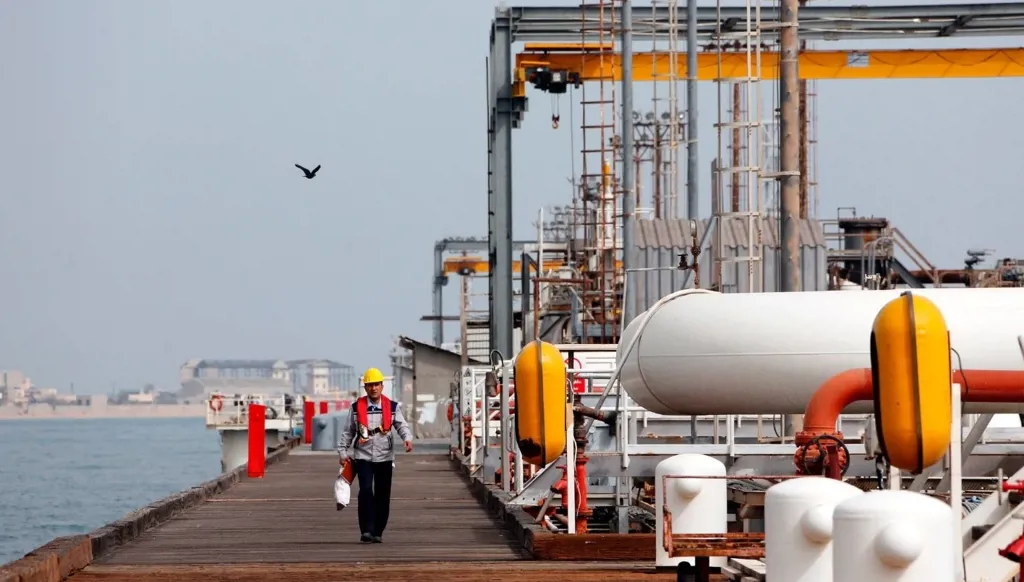
Given these complexities surrounding the reopening of the Strait of Hormuz, will Trump resort to using military force, with U.S. troops occupying Kharg Island, the main artery of Iran’s economy? Or will he decide to impose a blockade on Iran, echoing the U.S. blockade of Cuba during the missile crisis?
It is clear that the world now faces the possibility of the ongoing war turning into a war of wills—that is, who will give in first financially and economically?
Disclaimer: The opinions expressed by the writers are their own and do not necessarily represent the views of Annahar
العلامات الدالة
الأكثر قراءة