US generals’ warnings complicate Trump’s options ahead of Geneva talks


شارك على
 مسنجر
مسنجر
 واتساب
 ثريدز
ثريدز
 بريد إلكتروني
 الطباعة
شارك على




After a leak revealed US Joint Chiefs of Staff Chairman General Dan Caine and other generals reviewing the risks of a weeks-long military campaign against Iran, President Donald Trump quickly denied them, repeating his threat of “a bad day for Iran… and alas for its people.”
Does Trump want a deal or war? According to Special Envoy Steve Witkoff, the US president is “puzzled” that the Iranians “have not yet surrendered” to American demands despite the presence of this “massive naval force” around them.
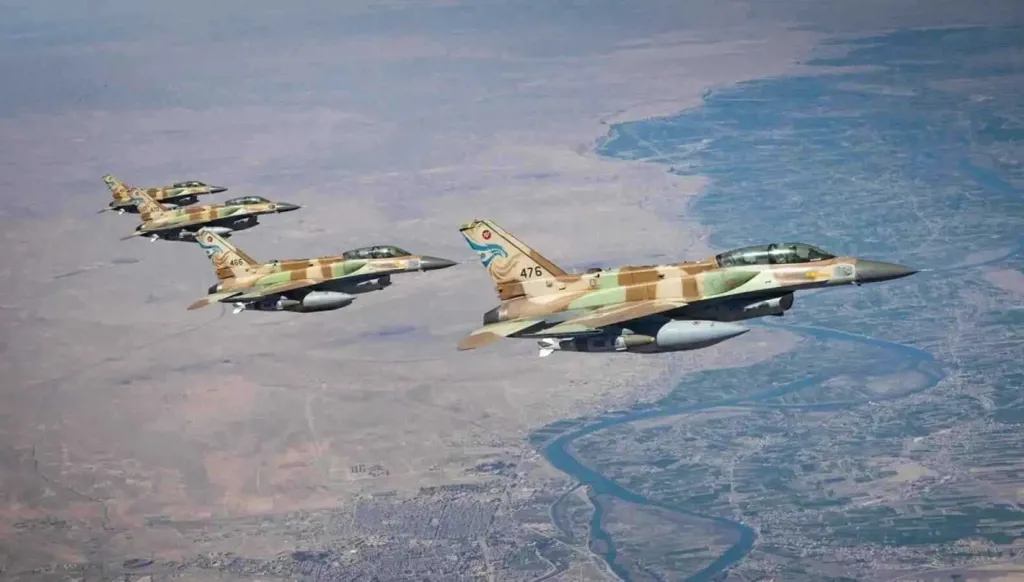
The dilemma lies in how to pressure the Iranians into agreeing to a deal that respects American red lines. To that end, the idea of a limited strike as a warning to Tehran has been proposed. There is debate over the timing of such a strike: before the scheduled negotiation round in Geneva tomorrow or afterwards.
Each option carries its risks. Launching a strike before Geneva could force Tehran to halt negotiations, while Iranian officials warn that even a limited strike could ignite a regional war. For this reason, another view favors waiting until after Geneva to see what new “nuclear” proposals Iranian Foreign Minister Abbas Araghchi brings.
If Tehran offers enough concessions to satisfy the US side, Trump could then claim that he forced Iran to accept his terms by merely threatening force, without actually using it. But if Araghchi’s proposals fail to meet American demands, Trump could decide to carry out the strike, arguing that the Iranian regime does not want a deal.
At this critical point in the debate, US generals, led by General Dan Caine, voiced their opinions during National Security Council meetings. They noted that both options carry risks. However, a prolonged military campaign could result in significant losses in personnel and munitions, complicating the defense of America’s regional partners if Iran were able to respond.
According to the US press, the generals raised the concern that using large quantities of anti-missile weapons and similar munitions—without sufficient reserves due to US support for Ukraine and Israel—could affect any future conflict with China.
Trump, who has long praised Caine’s professionalism, was forced to defend the general, saying: “Like all of us, [Caine] does not want war, but if a decision is made to act militarily against Iran, in his view it is something that can be won easily.”
America easily defeated Baghdad in 2003, but soon became embroiled in a costly conflict, both in human and financial terms, that lasted for years. On top of that, there is genuine concern that the war could spiral out of control, leaving Trump trapped in a prolonged conflict.
It is certain that Iran would try, if hit first, to draw America into a prolonged conflict. The country has been preparing militarily since the Israeli-American clash in June. Reuters reported that Iran is close to striking a deal with China to purchase supersonic anti-ship cruise missiles. Two days ago, it also revealed a secret $500 million deal with Russia to acquire advanced shoulder-fired surface-to-air missiles. If Iran succeeds in disrupting navigation through the Strait of Hormuz, the effects would ripple across global oil prices, including within the US, just months before the midterm elections.
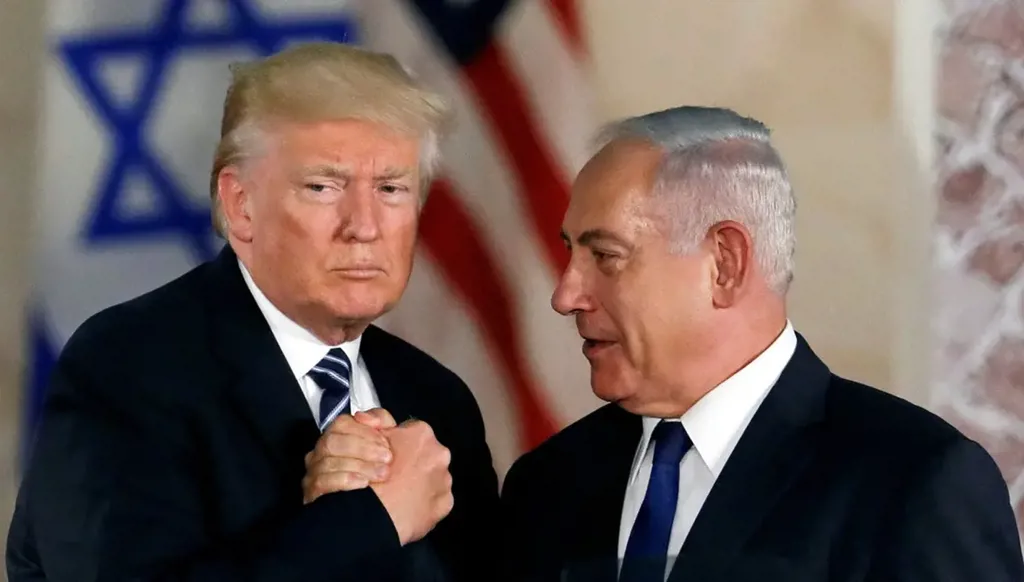
All these factors could prompt Trump to hold off and see what proposals Araghchi brings on Thursday—unless Israeli Prime Minister Benjamin Netanyahu intervenes again, fearing that the US president might accept a nuclear deal with Iran while overlooking its missile program and support for regional allies.
There is no doubt that Iran is holding its breath, and so is the region.
Disclaimer: The opinions expressed by the writers are their own and do not necessarily represent the views of Annahar.

العلامات الدالة
الأكثر قراءة