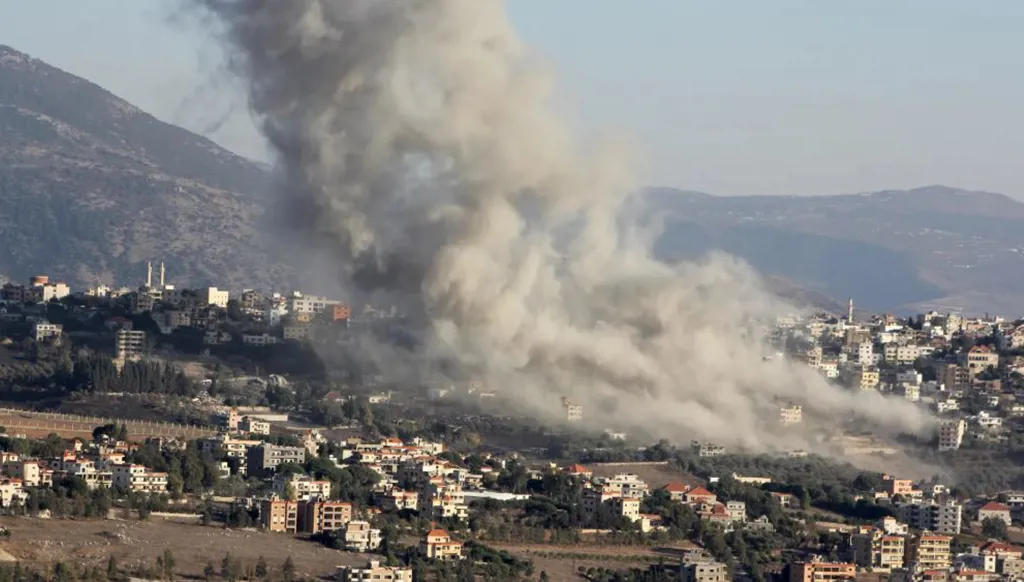
Could a war with Iran erupt beyond U.S. control?”


شارك على
 مسنجر
مسنجر
 واتساب
 ثريدز
ثريدز
 بريد إلكتروني
 الطباعة
شارك على





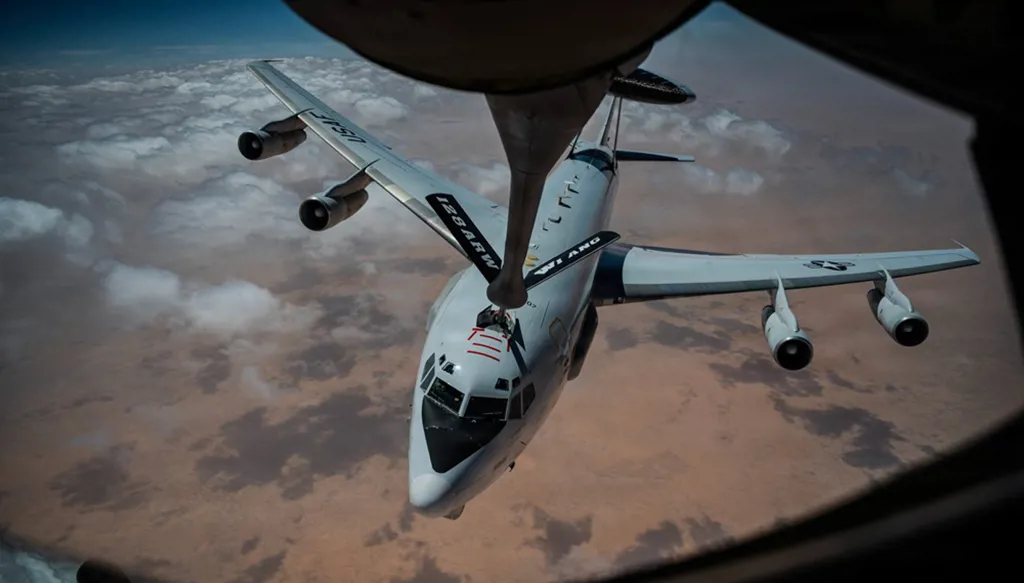
The American newspaper The New York Times reported on Friday, February 13, that at the request of President Donald Trump, the U.S. sent the aircraft carrier USS Gerald R. Ford, accompanied by warships, to the Middle East to join the USS Abraham Lincoln, amid rising tensions between Washington and Tehran.
Against the backdrop of unprecedented U.S. military buildup in the region, indirect negotiation rounds between the two sides continue, with the backing of Arab and Turkish countries, while Israeli dissatisfaction seems aimed at luring the Americans into the trap of war.
The U.S. is not only wielding a heavy military stick and brandishing it at Tehran but is also conducting a psychological campaign personally led by Trump, through threats indicating that toppling the Iranian regime remains the preferred option.
Between the military buildup and threats on one side, and Iranian stubbornness in resistance and refusal on the other—especially in holding onto all its cards that the U.S. wants to seize, foremost among them nuclear missiles, which Ali Shamkhani, Secretary of Iran’s Supreme National Security Council, described as a "red line"—the world awaits President Trump’s decision to launch military strikes against the Iranian regime. Yet behind the scenes of preparing for any possible scenario, some believe this war could begin without a Trump decision, and perhaps even without his knowledge.
Reports indicate that "the United States’ ability to achieve a real tactical victory against the Iranian military is questionable," adding that the cost of confrontation would be extremely high, particularly since there is no serious gain for Washington from this battle, except for securing Israel’s safety—which is no longer a top priority. Recently, Washington has significantly enhanced its support for Israel’s war against Iran’s proxies, and the Trump administration considers that joint strikes on Iran’s nuclear sites have achieved their objectives.
From a different perspective, Washington sees that toppling the regime in Tehran could present a new challenge: the formation of a Sunni bloc including Pakistan, Turkey, Egypt, and Saudi Arabia, aimed at limiting the ambitions of Israeli Prime Minister Benjamin Netanyahu—a development the U.S. does not want. The conflict with Iran carries regional dimensions, aiming to curb Tehran’s influence and limit its role as a key partner for China, but regime change could push U.S. options in directions it fears.
"The calculations on the ground to avoid the specter of direct war may not align with Washington’s broader strategy," and the U.S. military could face a war outside Trump’s control—or in plain terms, there may be no presidential order at all, since under the U.S. Constitution the president is the commander-in-chief. It is possible that Tehran could start the war through its proxies if it this would be its last resort, especially as Iranian intelligence believes there are serious preparations to mobilize the streets, following U.S. deployment of tens of thousands of Starlink devices in Iran to break the internet blockade imposed by the government.
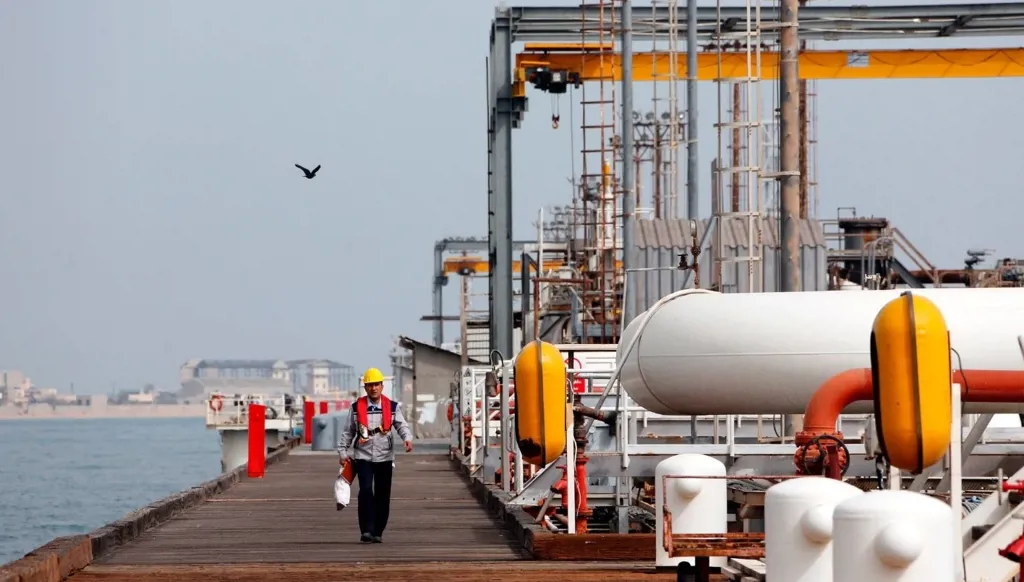
The scenario of Iran launching a preemptive strike is possible, but “sometimes things explode not because the top leadership is ready, but because a single spark ignites the fuse.” This phrase could apply to the military developments taking place in the Gulf of Oman, which may not be taken seriously but could serve as the spark that ignites the anticipated war. Regardless of what is being prepared in secret or in public, the military situation in the Gulf of Oman could escalate following “tactical” incidents without a central decision for war—for example, the Iranian navy attempting to board an oil tanker flying the U.S. flag, or an Iranian drone flying extremely close to the U.S. aircraft carrier group Abraham Lincoln.
As regional tensions linked to Iran rise, there is no doubt that the United States is laying the groundwork to encircle Iran militarily from its northern front, taking advantage of geopolitical shifts in the Caucasus. Navigation data from the Flightradar24 platform show that the U.S. Air Force carried out about 35 military cargo flights to Armenia and Azerbaijan in a short period, with increasing frequency.
U.S. policy deliberately seeks to encircle Iran from its sensitive Caucasus airspace, as well as from its regional waters in the Red Sea and Arabian Sea, in addition to its border with Iraq, by blocking the path of its candidate, Nouri al-Maliki, from returning to the premiership. This confirms that the U.S. relies on a “pincer” strategy to tighten the noose around Iran, forcing the regime to come to the negotiating table “bankrupt,” accepting the conditions rather than discussing them. Yet, despite Washington’s careful planning, a forced slide into war beyond American decision-making circles remains possible. Could the war begin where Washington least expects it?
Disclaimer: The opinions expressed by the writers are their own and do not necessarily represent the views of Annahar
العلامات الدالة
الأكثر قراءة