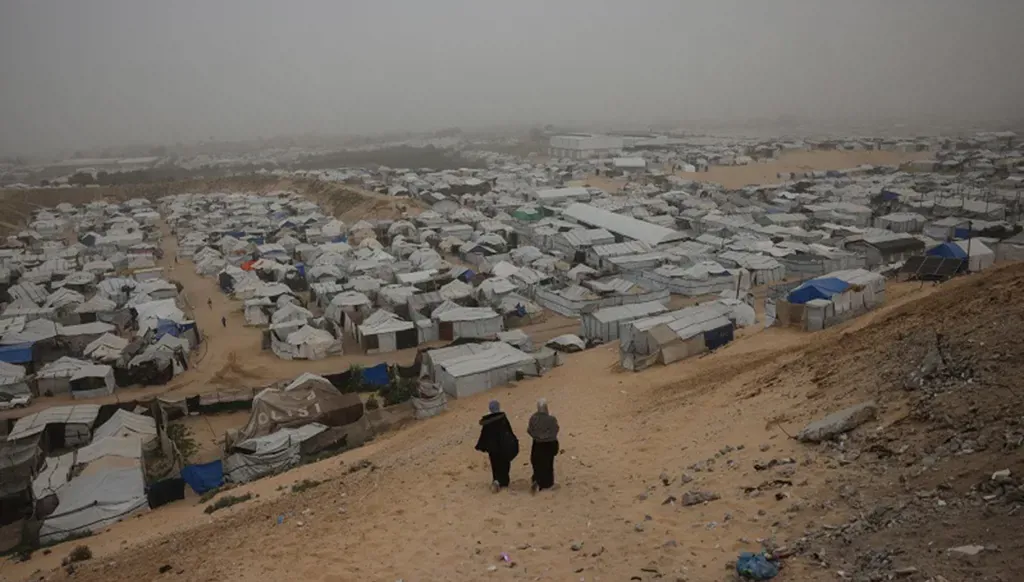
Palestinians in a displaced persons camp in Gaza (AFP)
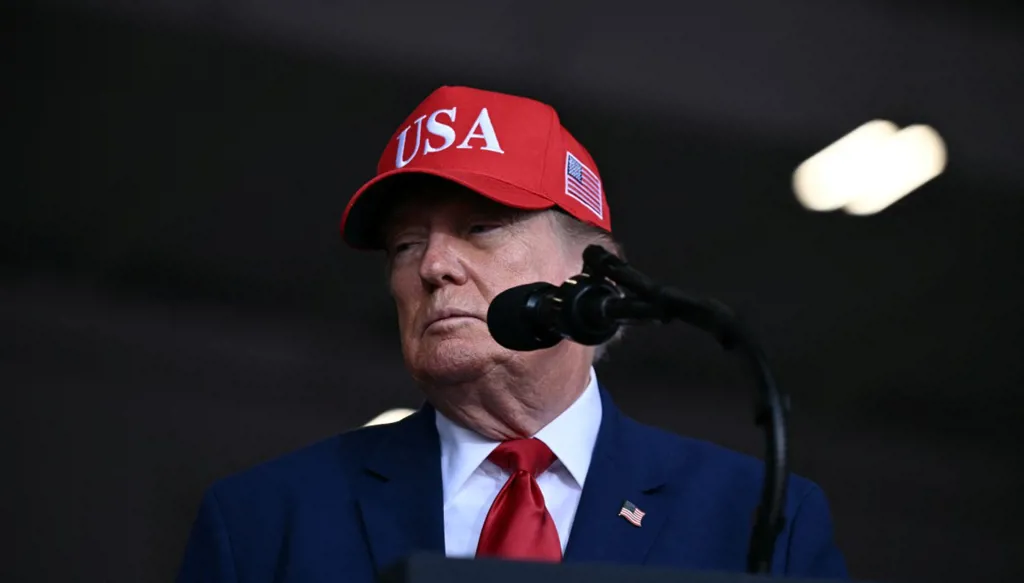
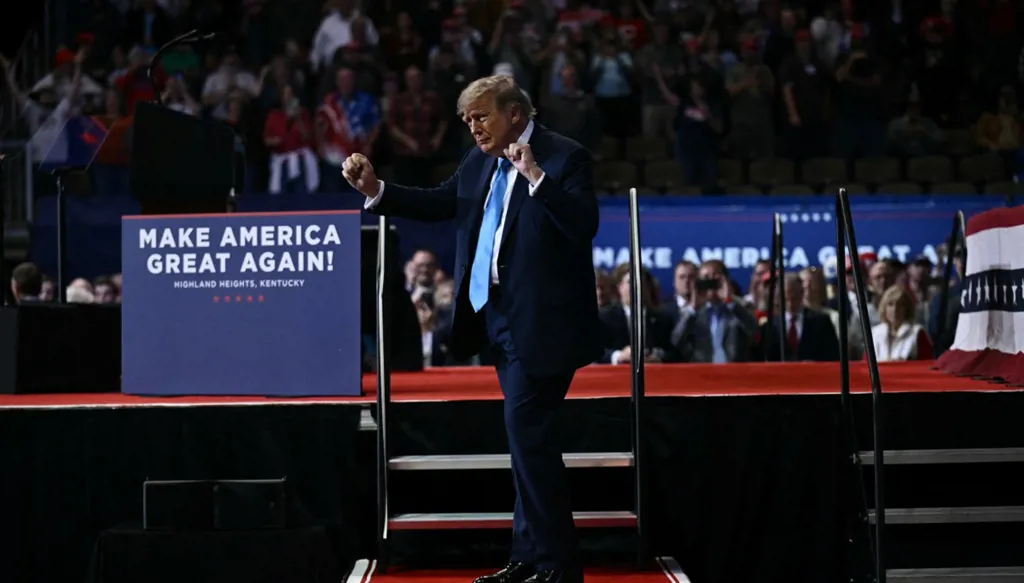
In a notable announcement, Donald Trump stated that the newly established Peace Council would unveil commitments of $5 billion for the reconstruction of Gaza at its inaugural meeting. However, these pledges raise questions about the sufficiency of the funding and the conditions surrounding reconstruction in the post-war trajectory.
Donald Trump announced on Sunday that members of the Peace Council, recently established by him, had pledged $5 billion for the reconstruction of war-ravaged Gaza and committed to providing thousands of personnel for international stability forces and police in the region. He said the pledges would be formally announced when council members convene in Washington on Thursday for their inaugural meeting. However, he did not specify which countries had made reconstruction commitments or which would contribute personnel to the stability force.
Rebuilding Gaza will be a daunting task. The United Nations, World Bank, and European Union estimate that reconstructing the territory will cost $70 billion. It remains unclear how many of the Peace Council’s more than 20 members will attend the inaugural meeting. Benjamin Netanyahu is not expected to participate. Several major U.S. allies in Europe and elsewhere have declined to join what they view as an effort to rival the United Nations Security Council.
An Israeli affairs researcher told Annahar that the fundamental question, before discussing reconstruction, is whether Israel is willing to accept the principle of rebuilding Gaza in full or only supports partial and limited reconstruction in specific areas. He noted that since the outbreak of the war, numerous studies and research—particularly from the Jerusalem Center for Strategy and Security—have examined the extensive destruction of homes and what remains in the sector, not only during military operations but also during periods of relative calm.
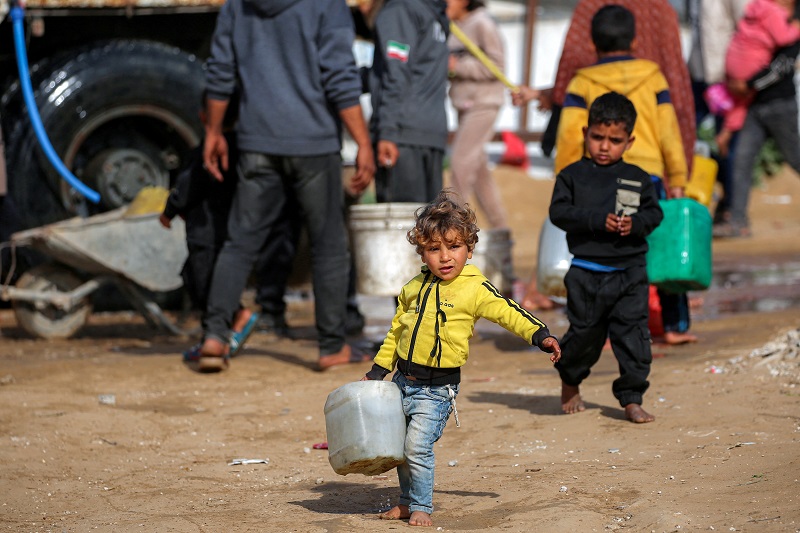
Palestinian children in Gaza, (AFP).
He further added that plans to isolate Gaza City and destroy the remaining residential areas were considered even before the ceasefire agreement or Donald Trump’s announcement. He noted that Israel continued demolishing buildings even after the ceasefire, indicating that, from its perspective, preserving urban development is viewed as an obstacle to displacing residents.
According to the researcher Manaa, the announced sums are insufficient for reconstruction, especially given that Israel, even under pressure from the United States, is unlikely to agree to a comprehensive rebuilding of the entire sector. He speculates that any potential course of action would be confined to partial and conditional reconstruction of specific areas, in line with strict Israeli security standards. At this stage, he considers a full and balanced reconstruction of Gaza to be extremely challenging.
Meanwhile, an academic specializing in Israeli affairs, Dr. Mohammed Halsa, told Annahar that any discussion of the risks of launching reconstruction amid an unstable security and political environment should be preceded by a broader examination of the role of international actors themselves—particularly in light of concerns surrounding the structure of the Peace Council announced by Donald Trump.
According to Halsa, the council is convening without having secured legitimacy, consistent international political and financial backing, or clear mechanisms for implementation on the ground.
He indicated that this concern is particularly evident among several countries, including European states, which fear the council may represent an American attempt to establish an alternative or parallel international decision-making center to the United Nations—a perception that explains their reluctance to formally engage with it. He added that the council has so far been unable to address key political and security issues, such as the fate of Hamas’ weapons or Israel’s withdrawal from the areas it has controlled, further weakening countries’ willingness to make financial contributions.
Halsa views the $5 billion in pledges within this broader context, noting that reconstruction is estimated at around $70 billion—making the announced amount little more than limited operational funding compared to the scale of destruction. He added that Washington is attempting to present the initiative as a political success, despite the fact that participating countries number no more than about 20, reflecting primarily political considerations rather than logistical ones.
On the implementation front, he pointed out that the United States is content with providing a broad and flexible political framework while leaving Israel in control of the details on the ground—whether related to reconstruction, the entry of aid, or disarmament. Accordingly, reconstruction is likely to remain delayed or begin in a symbolic and limited manner aligned with Israeli conditions, as it continues to be tied to the issue of disarmament, which Israel uses as leverage to keep the current situation untenable.
قال ترامب أمام حشد في دالتون بولاية جورجيا: "أتعلمون.. إذا كنتم في شك بشأن اسم شخص ما من الشرق الأوسط، فما عليكم سوى أن تقولوا محمد... لديكم فرصة صواب بنحو 65 في المئة... مرحبا يا محمد... أفعل ذلك منذ سنوات ولم أخطئ أبدا".
مشروع قطري لتمويل تطوير قطاع الكهرباء وتشغيله يفتح باب انفراج في لبنان، فيما برز توتّر خلال مداهمة مستودع أدوية، وترقّب لزيارة بارو لبحث مرحلة ما بعد اليونيفيل.
أوضح كريملوف أن بطولة العالم تمثل البطولة الأهم على أجندة الاتحاد، مشيراً إلى أن قيمة جوائز النسخة السابقة التي أقيمت في دبي بلغت 8 ملايين دولار، فيما سترتفع إلى 20 مليون دولار في النسخة المقبلة.



 مسنجر
مسنجر
 واتساب
 ثريدز
ثريدز
 بريد إلكتروني
 الطباعة