Tense talks in Muscat: US and Iran stick to red lines amid regional unrest


شارك على
 مسنجر
مسنجر
 واتساب
 ثريدز
ثريدز
 بريد إلكتروني
 الطباعة
شارك على


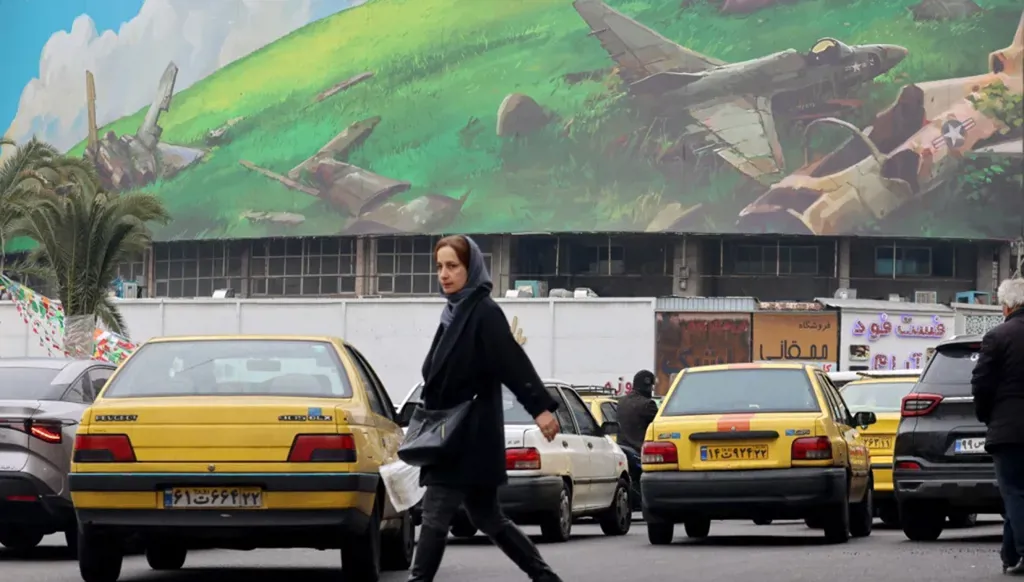


The initial impression of the Muscat round of indirect negotiations between Iranian Foreign Minister Abbas Araghchi and US Special Envoy Steve Witkoff, alongside Jared Kushner, President Donald Trump’s son-in-law, on Friday suggests that the “positivity” spoken of by both sides lies in the fact that it was not a one-off round, but merely a “good start” to subsequent rounds.
Araghchi and Witkoff laid out the red lines of Iran and the United States. These are parallel lines with no intersection at all, which largely keeps the atmosphere of concern over the outbreak of war prevailing. Tehran insists on its right to enrich uranium on its own territory, that its missile program is non-negotiable, and likewise its relations with its regional allies.
Trump, for his part, wants a nuclear agreement stripped of any right to enrichment, demands curbing Iran’s missile capabilities so they cannot reach Israel, and calls for ending the support Tehran provides to Hezbollah, Hamas, and the Houthis.
The American and Iranian positions are identical to what they were before the Israeli-American war last June. The leadership in Tehran is acting as if nothing has changed as a result of that war, or because of the widespread protests that swept Iranian cities in December and January, or due to the deepening economic crisis in the country.
Araghchi goes further, saying the day after the Muscat talks that Iran is holding fast to enrichment even if the price is the outbreak of war.
He stresses that the US military build-up “does not frighten us” and that American bases would be targets for Iranian missiles if a conflict were to erupt.
Trump, meanwhile, is acting as though he holds the upper hand both at the negotiating table and on the ground. The move by Witkoff and Kushner from Muscat to the US aircraft carrier Abraham Lincoln, sailing about 800 kilometers off the Iranian coast, serves only to reinforce the American president’s policy of “peace through strength,” according to Witkoff.
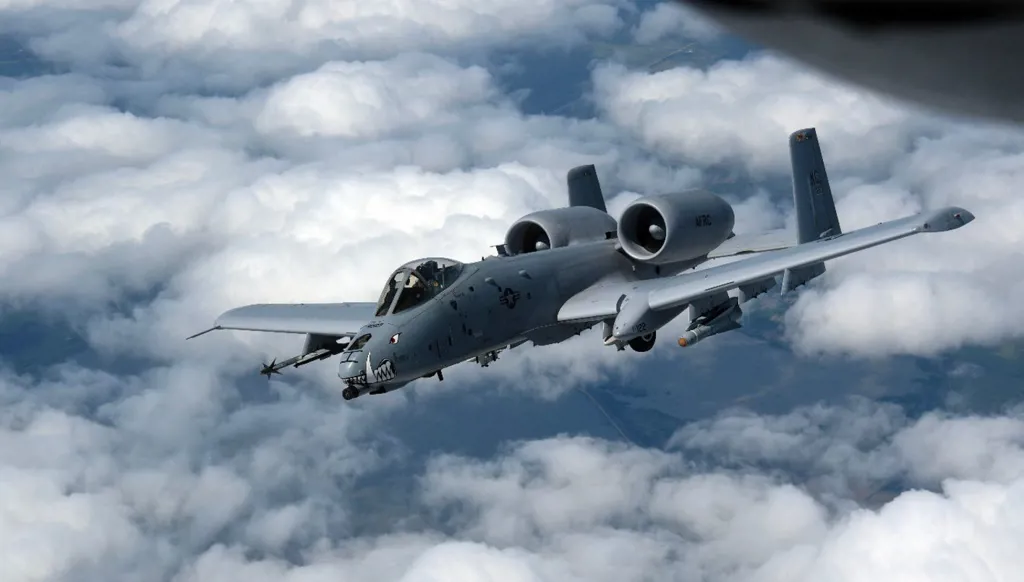
US reinforcements did not stop during the Muscat negotiations or afterward. Israel’s Channel 14 television reported that the United States had completed the deployment of Patriot and THAAD anti-missile systems at 20 US bases in the Middle East. Britain, in turn, sent F-35 fighter jets to the region accompanied by two aerial refueling aircraft.
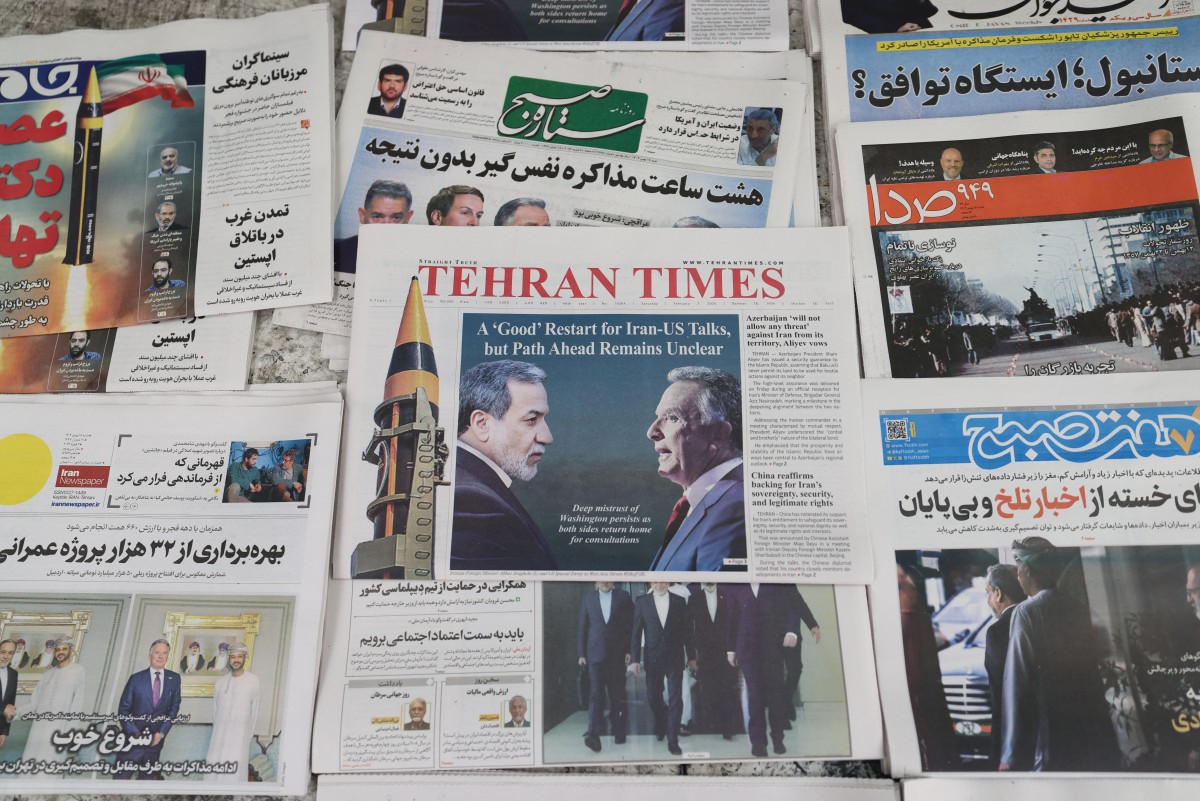
And the United States is not negotiating alone. Israeli Prime Minister Benjamin Netanyahu is set to meet Trump in Washington on Wednesday to stress the need to include the issue of missiles and Iran’s support for its allies on the negotiations agenda. Israelis fear that Trump may ultimately show flexibility and settle for reaching a nuclear agreement with Tehran.
If Netanyahu concludes that the US military reinforcements have become sufficient to intercept Iranian missiles that Tehran could use in a potential war, he may repeat the June scenario, when he initiated the war two days before the sixth round of indirect negotiations between Abbas Araghchi and Steve Witkoff in Muscat was due to take place.
Iran views the US agenda as amounting to surrender, while showing openness to a new nuclear agreement. Ali Shamkhani, head of the Supreme Defense Council, stated that Iran does not want to produce nuclear weapons, but “wants something in return,” referring to the lifting of US sanctions.
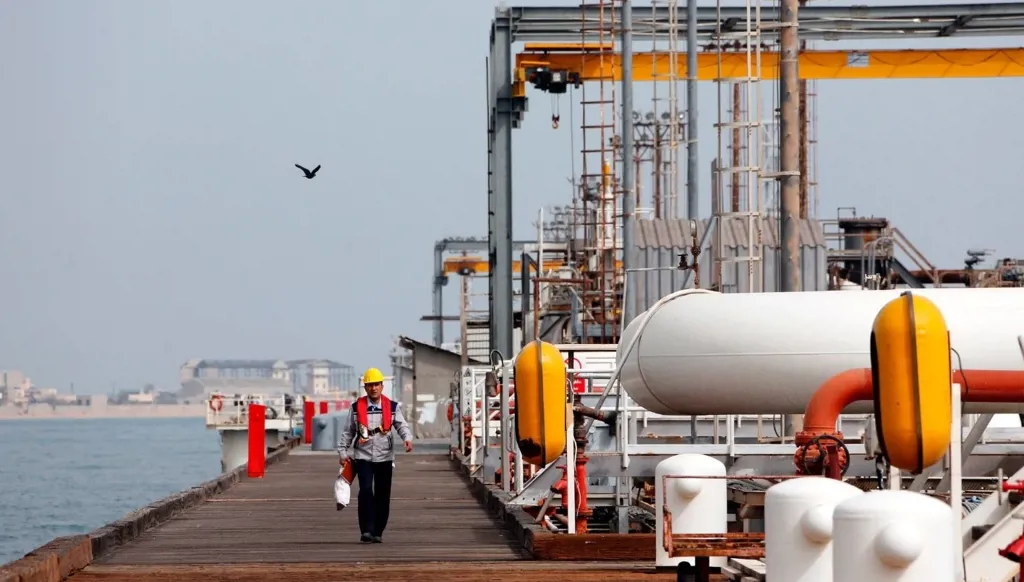
However, the Trump administration sent a negative signal in this regard when it imposed a new round of sanctions on 15 entities and 14 vessels linked to Iranian oil trade immediately after the Muscat talks ended. This was a step through which the US president sought to demonstrate his seriousness in tightening economic pressure on Iran to force concessions.
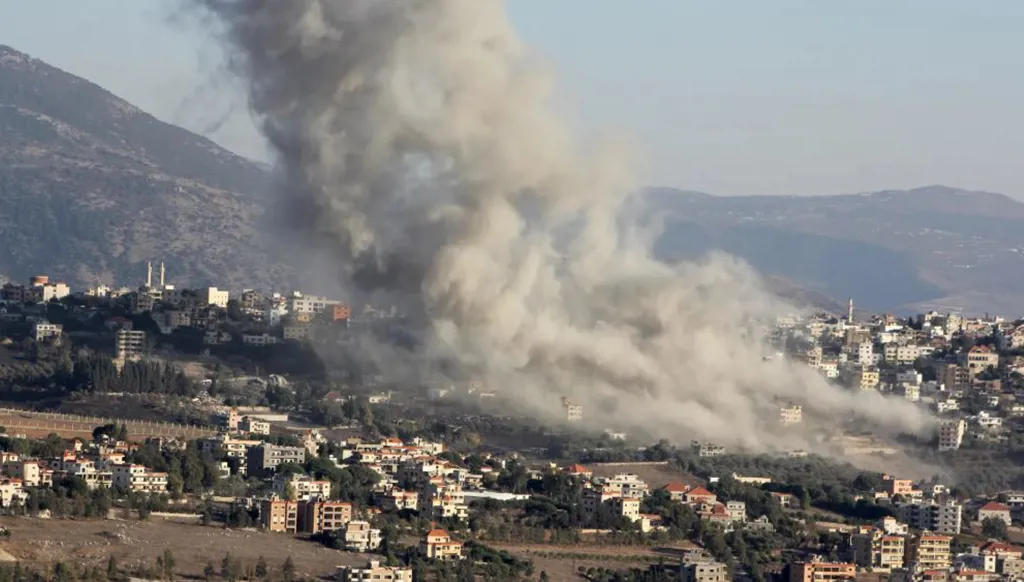
All of this keeps hopes slim for bridging the differences between the United States and Iran in the near future and makes the military option a real possibility. Between these two extremes, the entire Middle East continues to sway.
Disclaimer: The opinions expressed by the writers are their own and do not necessarily represent the views of Annahar
العلامات الدالة
الأكثر قراءة