The next front: Israel turns its focus to Lebanon amid fragile Middle East truce


شارك على
 مسنجر
مسنجر
 واتساب
 ثريدز
ثريدز
 بريد إلكتروني
 الطباعة
شارك على




Israel was not surprised by what was orchestrated in the final hours before President Donald Trump’s ultimatum.
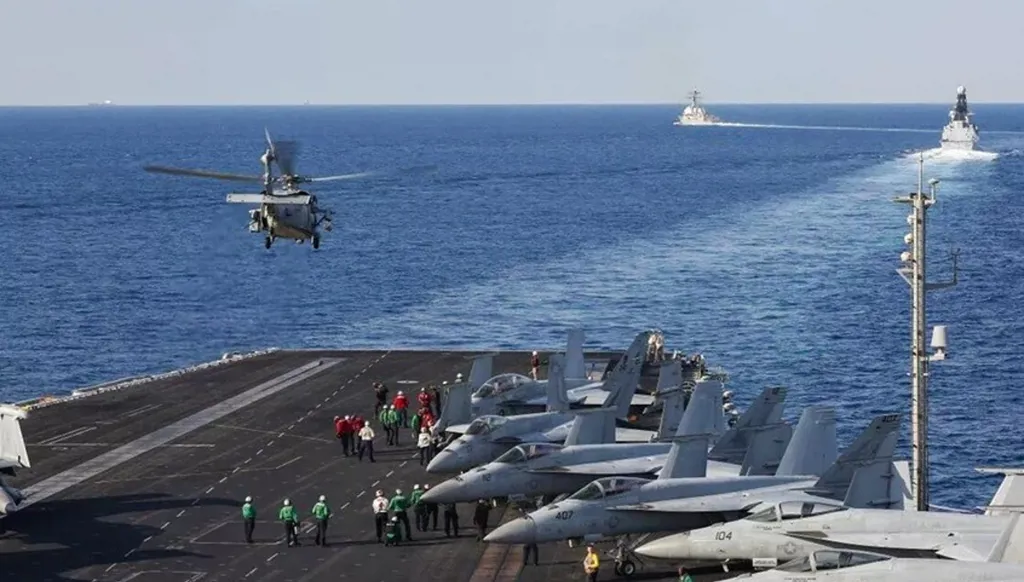
Sources within Israel say that the government led by Benjamin Netanyahu was aware days ago of the negotiations workshop led by Pakistan and received American insights about the seriousness of the path, which required escalating measures to the point where Donald Trump threatened to erase Iran’s civilization. With this new positioning, Israel turned to its major and fundamental battle with Lebanon.
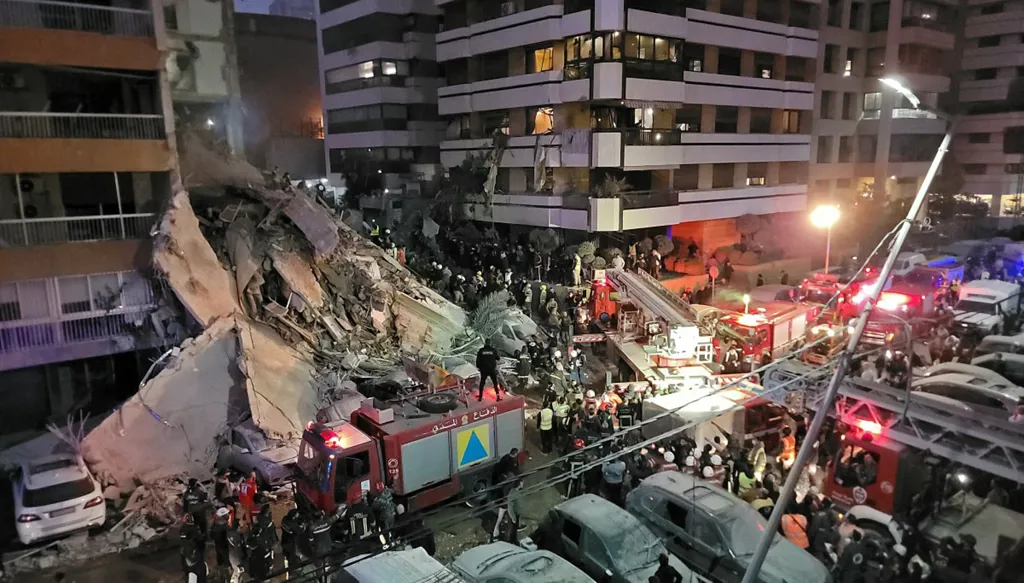
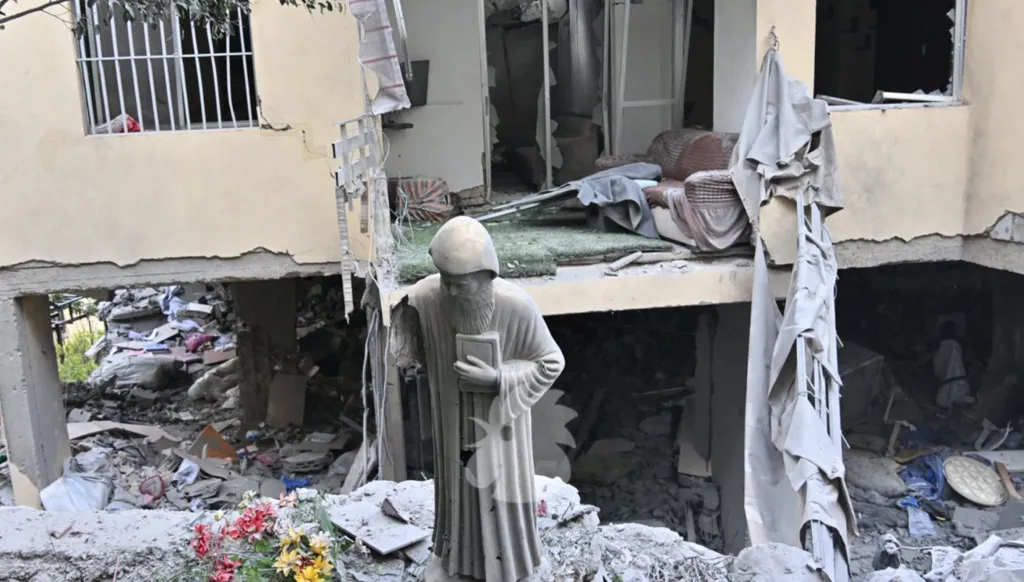
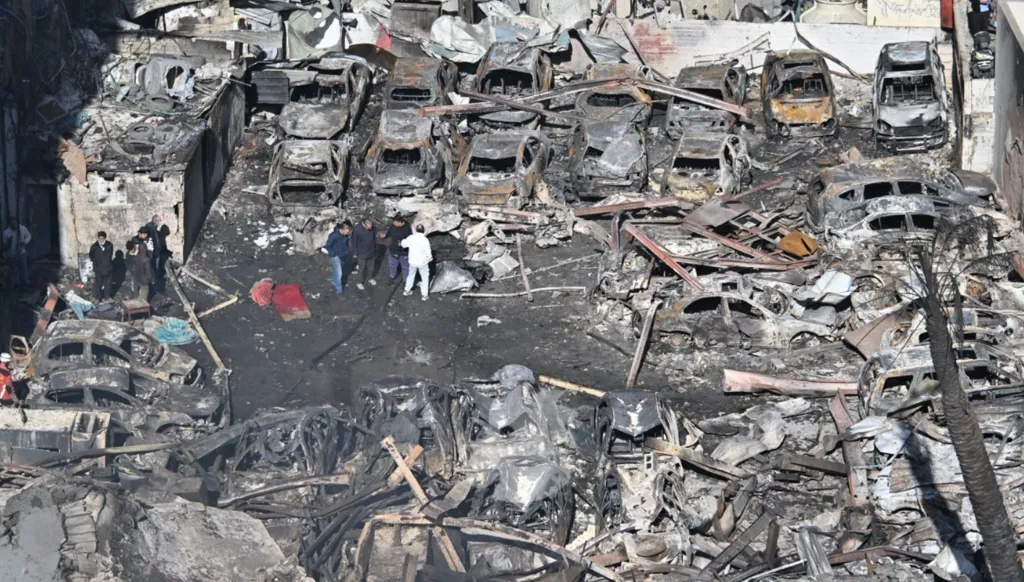
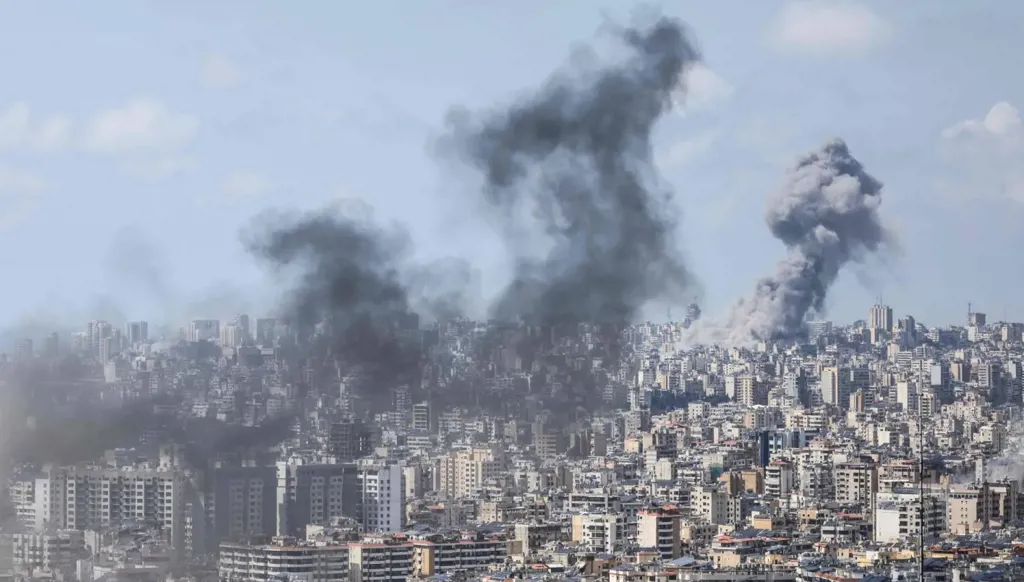
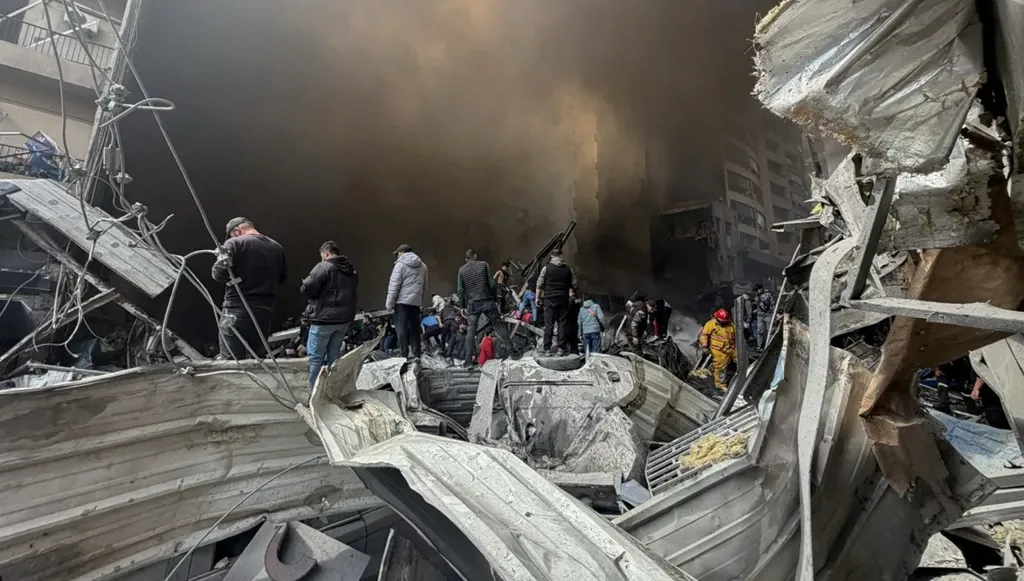
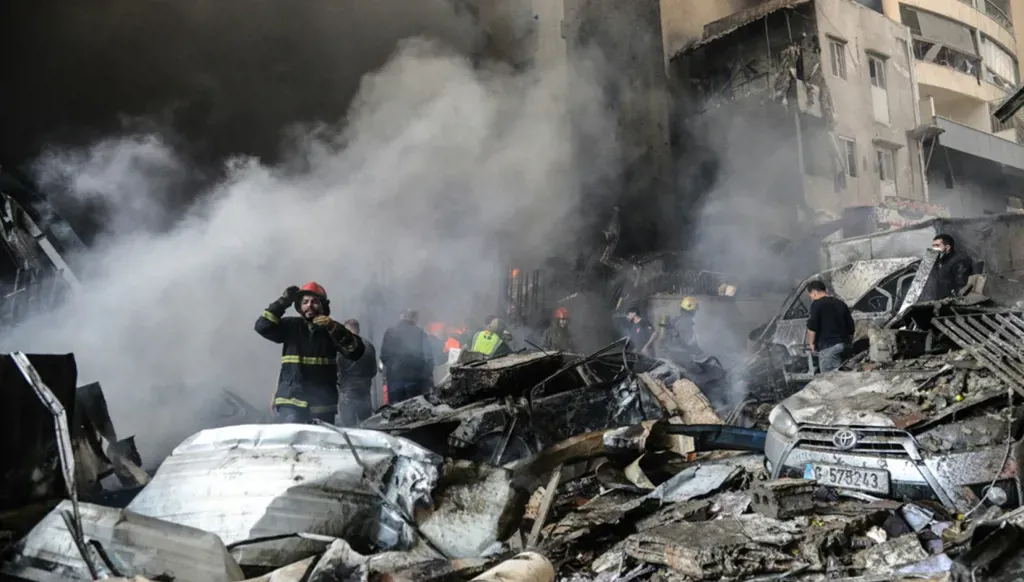
The war against Lebanon has expanded to target the country, its government, and its people. Israel unleashed intense strikes across wide areas north of the Litani River, including the capital, Beirut. The raids were carried out without prior warning, in broad daylight, resulting in heavy human casualties. The capital’s inclusion as a central target in the sweeping attacks aligns with threats made by Benjamin Netanyahu and his Defense Minister Israel Katz, pending what they anticipate as a shift in United States approval regarding actions it has so far considered off-limits.
العلامات الدالة
الأكثر قراءة