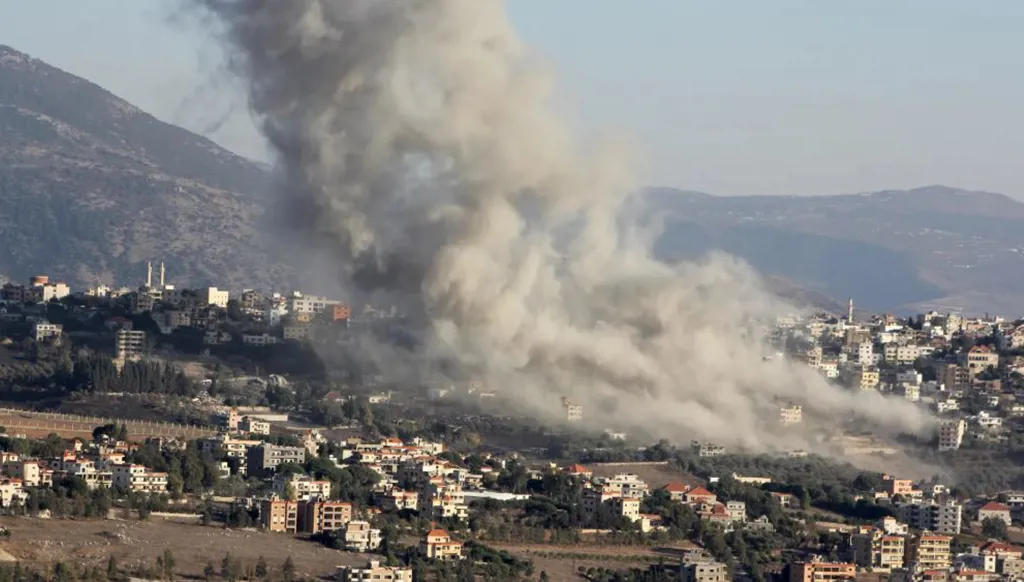
The war with Iran is being fought as a zero‑sum game—either win everything or lose everything. That makes the job of mediators much more difficult and almost impossible, weakening hopes of reaching a settlement acceptable to both the United States and Israel on one side and Iran on the other.
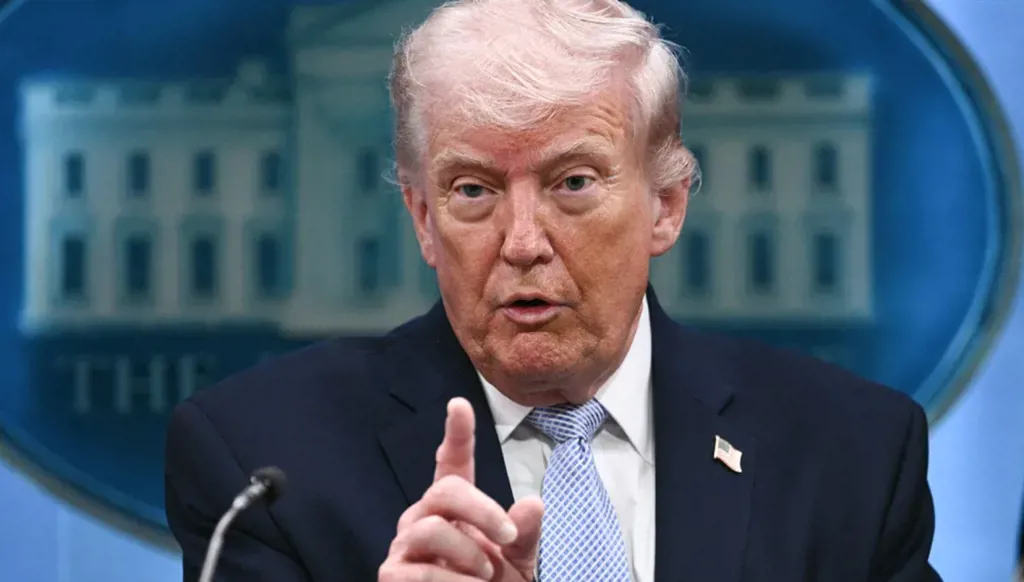
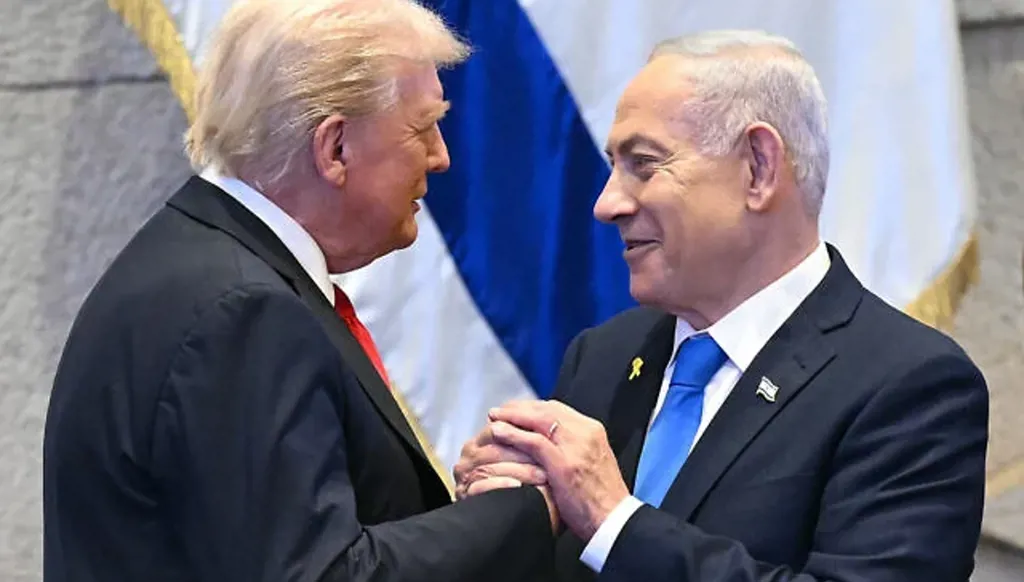
President Donald Trump has freed himself from deadlines to stop the war since he addressed Americans last Wednesday, comparing the durations of past wars fought by the United States, such as the World Wars, and the Korean, Vietnam, and Iraq Wars. He believes that preventing Iran from obtaining nuclear weapons is worth today’s costs.
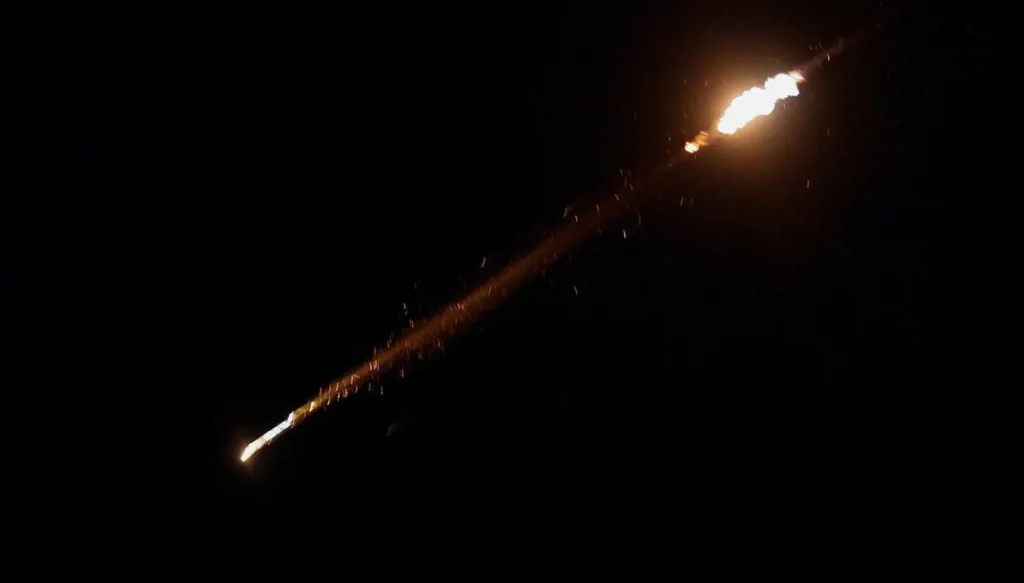
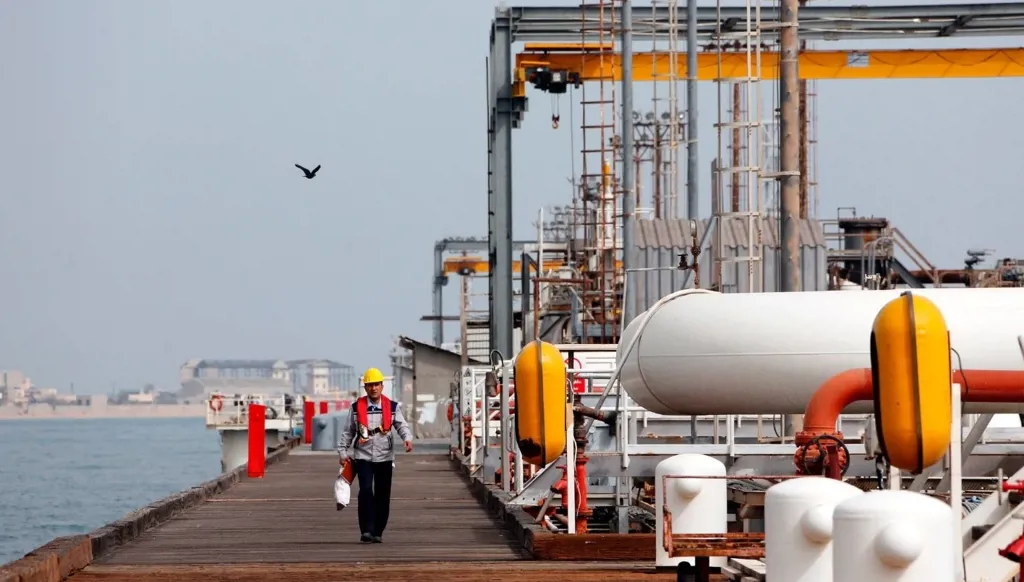
Iran, for its part, understands that its ability to withstand losses in an unequal war could force Trump to retreat. It is using what remains of its power—primarily leverage over the Strait of Hormuz—and expanding the war horizontally to increase its cost on the United States… and on the world too.
Mutual escalation... Diplomatic stalemate
When Trump is convinced of his ability to "erase Iran in one night," he is surprised by the resistance of what he calls the "new regime" in Iran to his demands, foremost being an explicit declaration of not pursuing uranium enrichment and opening the Strait of Hormuz to international navigation unconditionally, as it was before the war.
As the U.S. and Iranian positions intensify, mediators’ hopes of convincing both parties to reach a compromise fade. Trump tells opponents of the war that it is possible to control Iranian oil, similar to the Venezuelan model, if given enough time, and that gasoline price increases won’t last long, and voters won’t abandon him in the midterm elections, even at the cost to their wallets.
Trump found Pakistan’s mediator proposals “insufficient,” while Iran rejected them and presented a maximalist plan that Washington cannot accept. The race against time pursued by Islamabad to defuse the escalation leaves diplomacy with no real chance, given both sides’ brinkmanship.
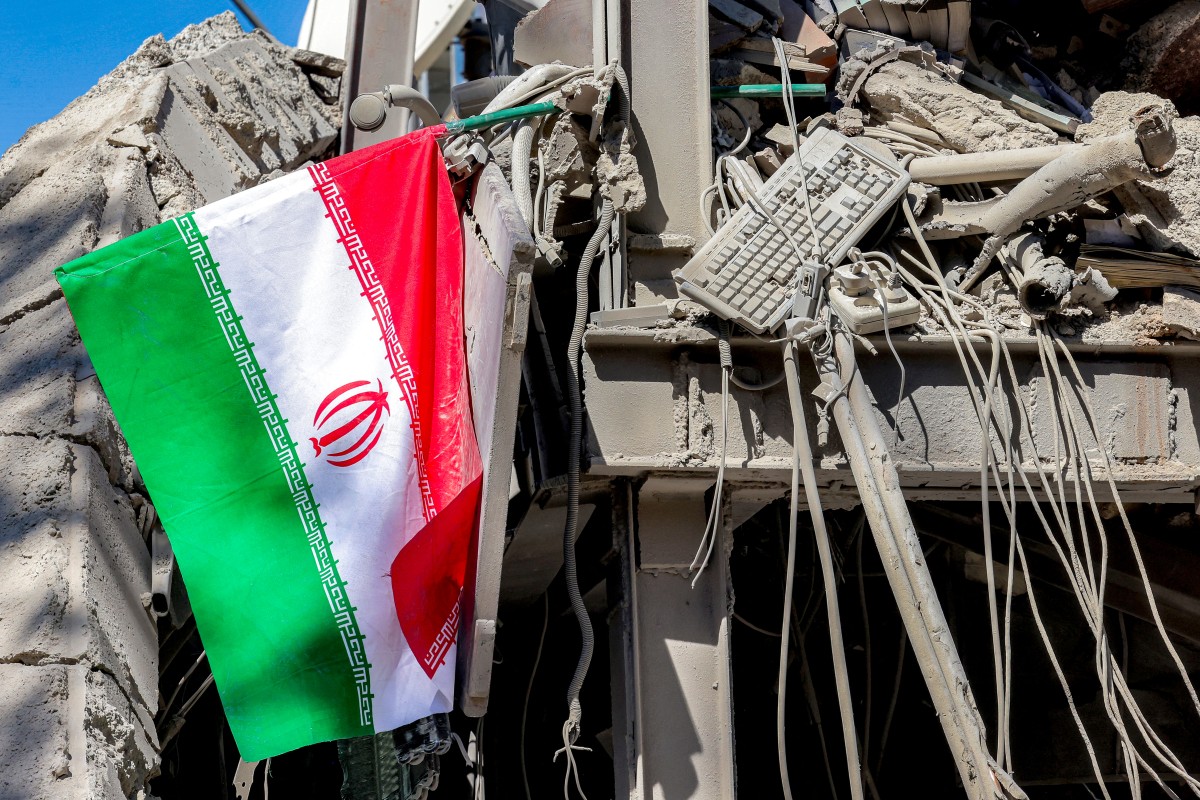
The Iranian flag raised above the ruins of Sharif University of Technology in Tehran after being bombed. (AFP)
Before and after eight o'clock
The “total destruction” threatened by Trump, and Iran’s pledge to respond with “even more destruction,” effectively opens the “gates of hell” in the Middle East, with far-reaching global repercussions.
It seems Trump capitalized on the successful rescue of the second crew member of an F‑15 fighter jet from inside Iran to declare that the United States “has won,” and that Iran “was militarily defeated,” needing only hours to push it back decades.
The question remains, even before eight o’clock: where are things heading? Towards a further escalated phase that closes the diplomatic window, or giving it one last chance?
After eight, calculations enter a different phase, as the costs of options—and their outcomes—shift.
Disclaimer: The opinions expressed by the writers are their own and do not necessarily represent the views of Annahar.