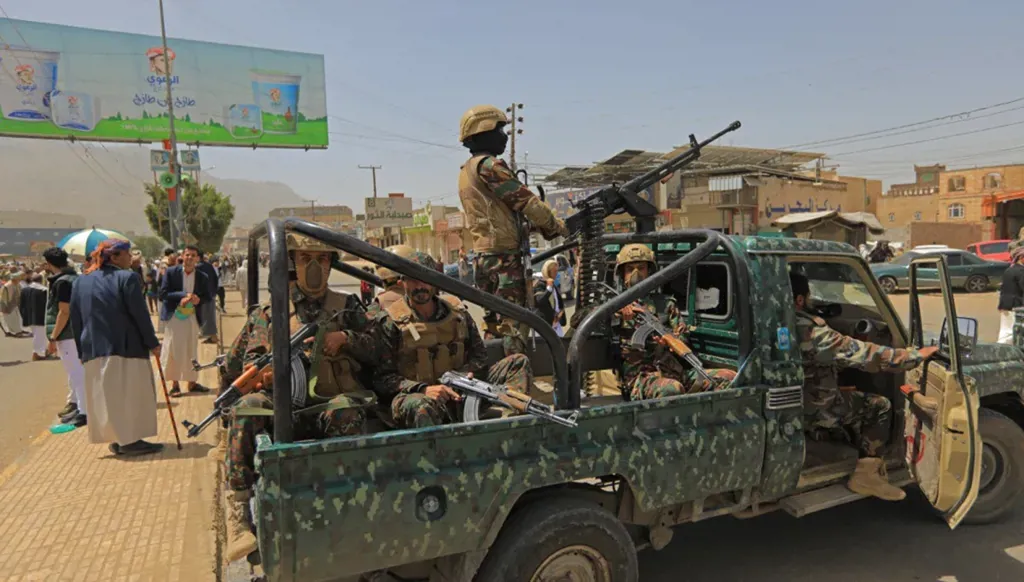
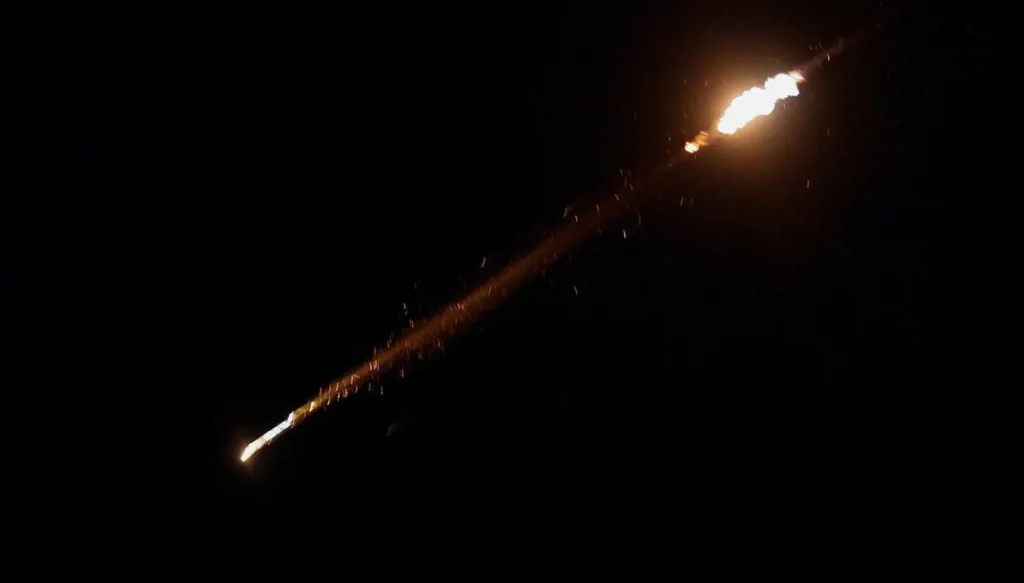
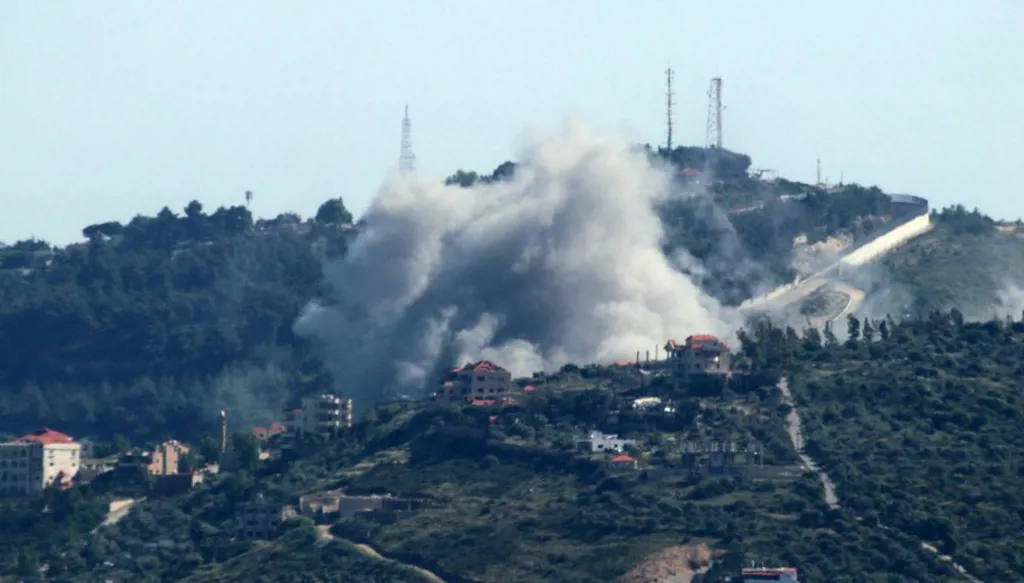
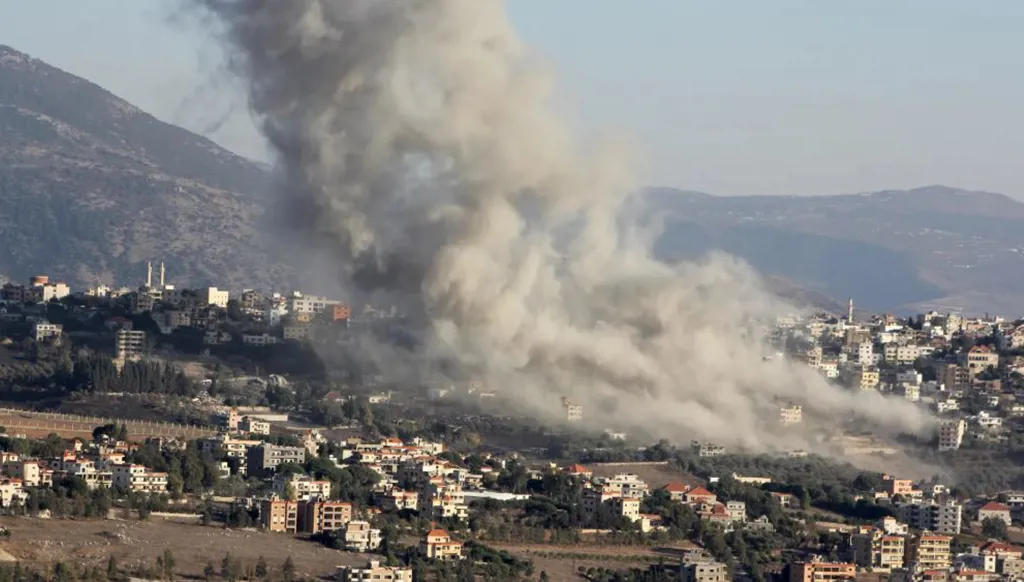
The escalating war between Iran on one side and the United States and Israel on the other, which erupted in February 2026, threatens Yemen with the risk of being drawn into a wider conflict, as has already happened with the Gulf countries and Jordan. The Houthis, as part of what is called the "Resistance Axis," have threatened to attack U.S. warships and Red Sea shipments to support Tehran in the Iran War of 2026. This poses a risk to Yemen due to the expected reaction and massive military retaliation, leading to economic damage, exacerbation of the humanitarian crisis, and increased internal instability.
The United Nations Special Envoy to Yemen, Hans Grundberg, warned that the cycle of retaliation could draw Yemen deeper into the regional conflict, jeopardizing its hopes for peace and stability and diverting attention from the urgent need to address the country’s internal crisis.
On March 12, the leader of the Houthi militia in Yemen, Abdul Malik al-Houthi, announced that his forces are ready to align with Tehran against U.S. and Israeli airstrikes, affirming full solidarity with them. He emphasized that his fighters are prepared to escalate when needed. This sheds light on the military, economic, and medical measures the Houthis implemented in Sana'a and other Houthi-controlled cities even weeks before the recent war between the U.S. and Israel with Iran. Analysts widely believe that the Houthis’ delayed entry into Iran’s war was due to their waiting for instructions from Tehran before joining the conflict.
As had been expected for a long time, the Houthis joined Iran's war a month after it started. On March 28, they announced their participation, claiming it supports the resistance fronts in Palestine to appeal to their base in Yemen. In reality, however, this involvement primarily supports their allies in Iraq and Lebanon, and Iran in particular.
Serious Warnings
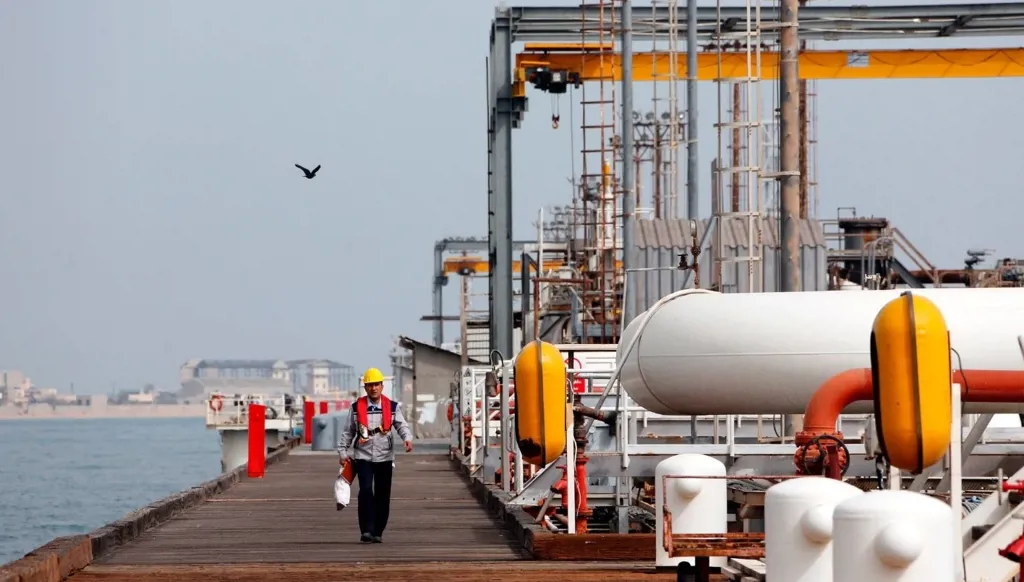
The Houthi escalation came amid serious warnings from the Yemeni government about the dangerous repercussions of their actions, which could plunge Yemen into further turmoil. Yemen's vital energy infrastructure and ports have previously suffered damage from Israeli attacks in response to Houthi strikes during the Gaza war and the 12-day Iran-Israel war last year, highlighting the potential consequences of the Houthis’ involvement in this conflict.
The latest Houthi escalation in the region coincides with the end of the United Nations Mission to Support the Hudaydah Agreement (UNMHA), established in January 2019 following the Stockholm Agreement to monitor a ceasefire and support the agreement in the Houthi-controlled coastal city of Hudaydah. The United Nations Security Council issued resolution 2813 (2026), ending the mission by March 31, 2026. Due to Houthi obstinacy, the Hudaydah Agreement was never implemented, making it increasingly difficult for the UN mission to carry out its mandate in recent years. There are concerns that ending the mission will allow the Houthis to continue arming Hudaydah and further threaten the Bab al-Mandab Strait and the Red Sea.
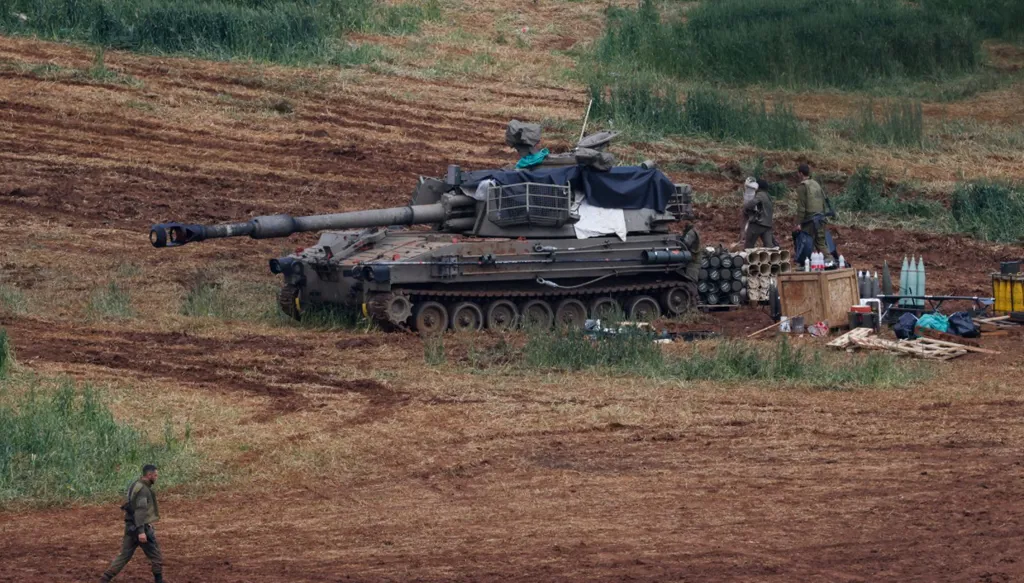
Israel is expected to respond to Houthi attacks, as it has in previous cases when the Houthis joined the battle during the Gaza war. Israel's military spokesman, Brigadier General Effie Defrin, reacted to the recent Houthi attacks by stating, "We are preparing for a war on multiple fronts." A more dramatic escalation would occur if the Houthis expanded their attacks to the Red Sea, as they have repeatedly threatened to close the Bab al-Mandab Strait, south of the Red Sea, disrupting global trade and oil supplies—a route through which about 15% of global trade passes. Such an escalation could likely prompt significant responses from the United States and possibly other countries, causing severe damage to the already affected infrastructure in Houthi-controlled areas of Yemen, including power plants, ports, airports, and oil facilities.
On the humanitarian front, on March 18, 2026, the United Nations and its humanitarian partners published Yemen’s Humanitarian Response Plan for 2026, aiming to raise $2.16 billion to provide life-saving assistance to 12 million people across the country. More than a decade into the crisis, humanitarian needs in Yemen continue to grow amid ongoing conflict, economic deterioration, displacement, repeated epidemics, climate shocks, and funding shortfalls.
In 2026, 22.3 million people in Yemen require humanitarian assistance and protection services, including 5.2 million internally displaced persons, as well as migrants and refugees. UN envoy Hans Grundberg recently warned that Houthi escalation threatens to draw Yemen into the regional conflict, further deepening the economic crisis and prolonging civilian suffering.
This development also threatens to undermine fragile peace efforts in Yemen. Prior to the Gaza war on October 7, 2023, a Saudi-sponsored peace roadmap, supported by UN envoy Hans Grundberg, had been negotiated and was close to being signed between the Yemeni government and the Houthis. However, the Houthis’ involvement in the Gaza war and their attacks on Red Sea navigation between 2023 and 2025 led to the suspension of the agreement. The new regional escalation by the Houthis and their participation in Iran’s war is feared to deepen internal instability, widen the gap of distrust among Yemeni parties, and make reaching any peace agreement in Yemen even more challenging.
Disclaimer: The opinions expressed by the writers are their own and do not necessarily represent the views of Annahar.



 مسنجر
مسنجر
 واتساب
 ثريدز
ثريدز
 بريد إلكتروني
 الطباعة