Most ships passing through Strait of Hormuz are linked to Iran


شارك على
 مسنجر
مسنجر
 واتساب
 ثريدز
ثريدز
 بريد إلكتروني
 الطباعة
شارك على


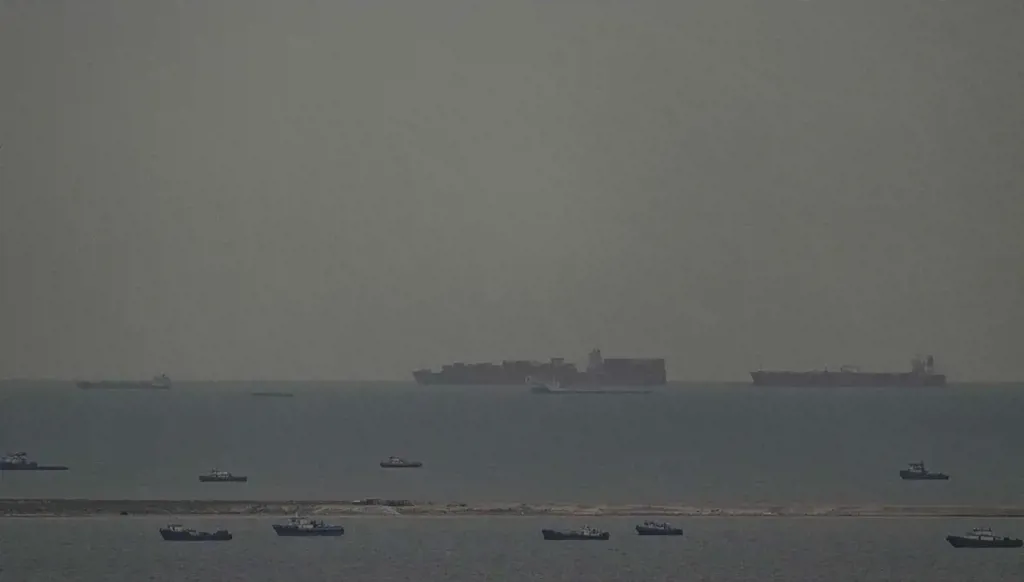


An analysis conducted by the news agency Agence France-Presse based on maritime data showed that 60 percent of cargo ships that passed through the Strait of Hormuz since the start of the war in the Middle East were either coming from Iran or heading to it.
In response to the joint US-Israeli attack that sparked the war, Iran tightened its control over the passage of ships through the strategic waterway and disrupted oil supplies, causing turmoil in global energy markets.
Between March 1 and April 3, the global maritime analytics firm Kpler recorded 221 ships carrying oil, gas, or other goods entering or leaving the Gulf through the strait.
An analysis by Agence France-Presse based on Kpler data showed that some ships made multiple voyages, bringing the total number of transits to 240.
About six out of ten transits involved ships coming from or going to Iran, a proportion that rises to 64 percent for ships carrying cargo.
Countries of origin or other destinations accounted for far fewer transits, such as the United Arab Emirates 20 percent, China 15 percent, India 14 percent, Saudi Arabia 8 percent, Oman 8 percent, Brazil 6 percent, and Iraq 5 percent.
Among 118 maritime trips by cargo ships, 37 carried 8.45 million tons of crude oil.
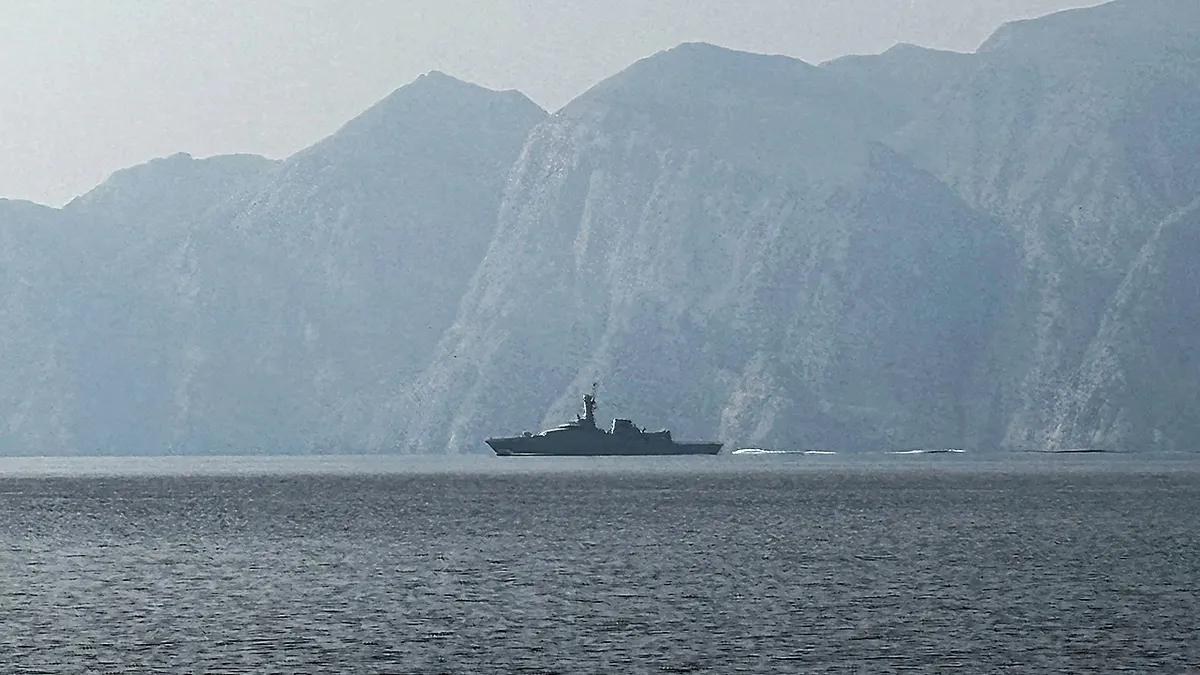
All of these ships were leaving the Gulf. Of the 37 oil tankers, 30 either departed from Iran or sailed under the Iranian flag, most of them heading to unknown destinations.
The few ships carrying Iranian oil that reported their destinations were bound for China, except for one vessel. The other seven oil tankers that passed through the strait departed from Saudi Arabia.
One of these ships, the tanker New Vision flying the Hong Kong flag and transiting on March 1, is expected to arrive at the French port of Le Havre on Saturday.
In addition, there were 40 transits by ships carrying 1.6 million tons of petroleum products, liquefied gas, bitumen, and other goods. Of these, 21 carried industrial materials such as one million tons of iron ore, steel, and related goods, while six carried chemicals or petrochemicals, including 211 thousand tons of methanol, ethylene, and similar products.
Although Iran was the point of departure for most of these ships, this was not the case for agricultural products.
Since March 1, six ships, mainly from Brazil and Argentina, entered the Gulf carrying soybeans or corn totaling 382 thousand tons, all destined for Iran.
العلامات الدالة
الأكثر قراءة