Israel strikes Iranian fleet in Caspian Sea, signaling major escalation


شارك على
 مسنجر
مسنجر
 واتساب
 ثريدز
ثريدز
 بريد إلكتروني
 الطباعة
شارك على




Dr. Khaled Al-Azzi
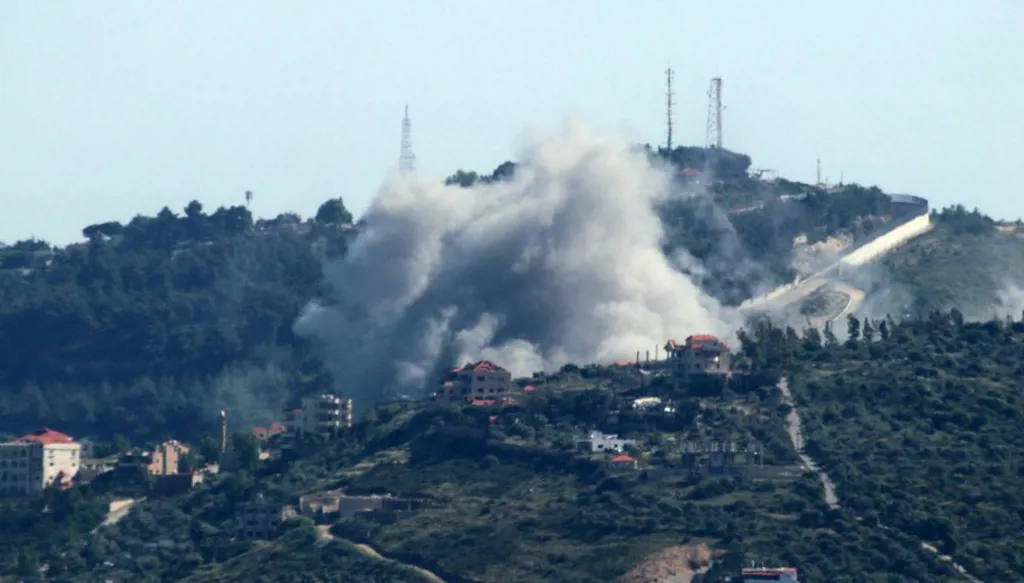
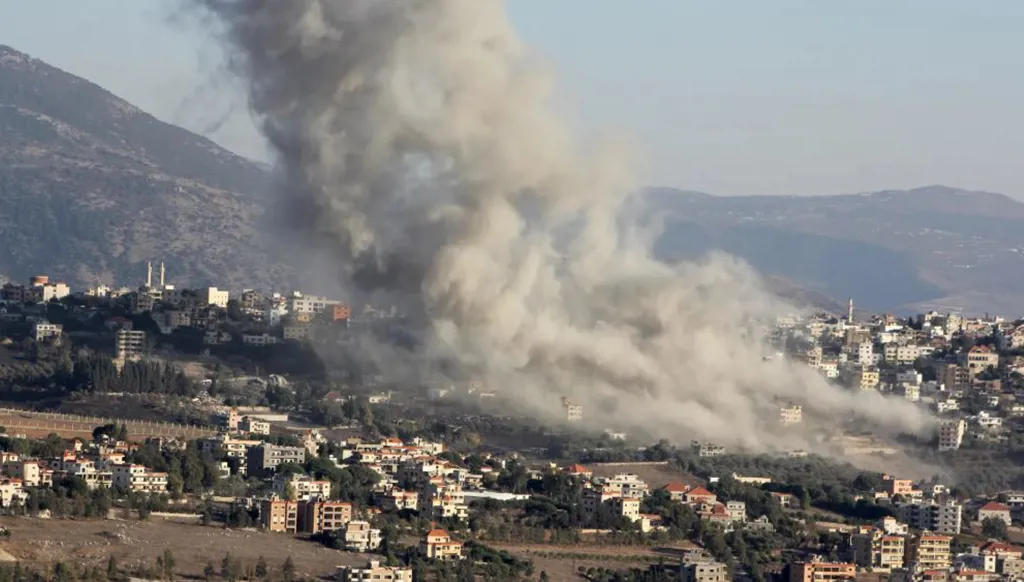
In a serious escalation of the ongoing regional conflict, the Israeli army announced on March 19, 2026, that it had targeted the Iranian fleet in the Caspian Sea off the northern coast of Iran. The Israeli army released footage of the strikes on Iranian ships, confirming the scale of the attack and its objectives.
Operational Messages
The military operation is part of strategic objectives both inside and outside Iran, sending clear signals within the context of the new phase of the current war. The Israeli army stated that these attacks represent “one of the most important operations” as part of the “Lion’s Roar” military campaign against Iranian targets. According to some Israeli radio stations citing Israeli army sources, Israel aims to isolate different Iranian regions from each other. One of the targeted ships was carrying “a large shipment of drones” as well as “advanced electronic equipment,” which adds complexity to the military situation and reveals the type of weapons Iran possessed.
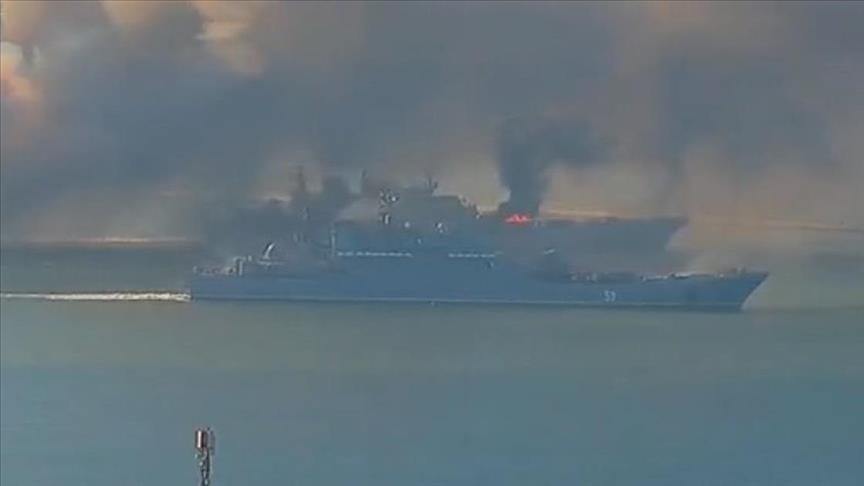
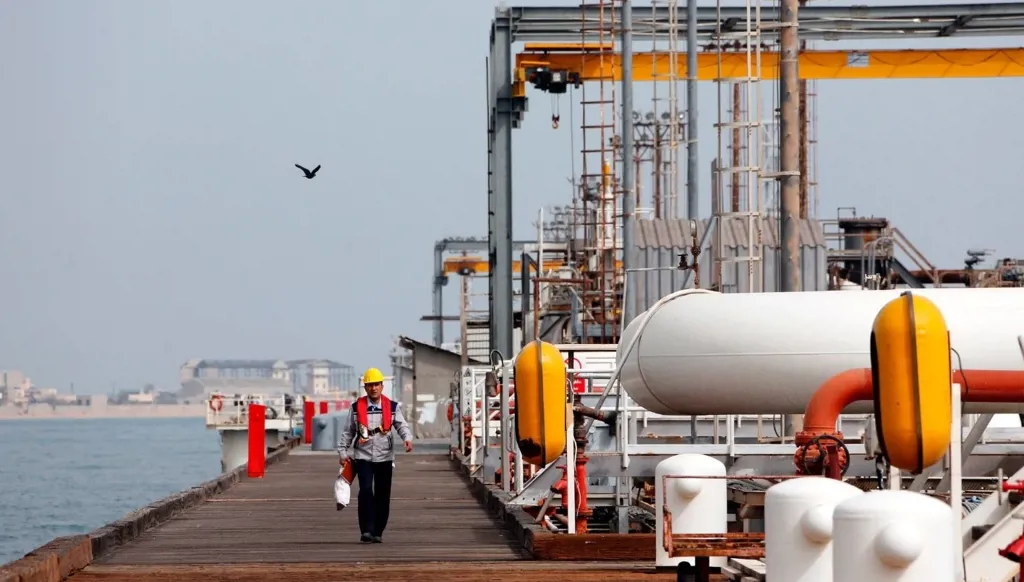
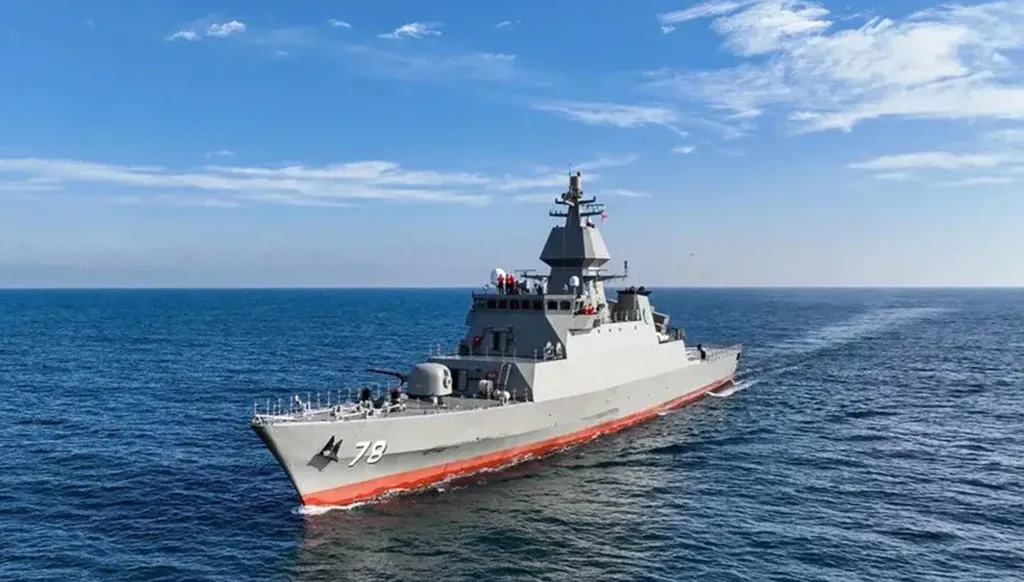
Israeli Air Force jets also struck Iranian maritime facilities in the Caspian Sea, targeting “dozens of warships,” including missile ships and patrol boats. Some of the targeted ships were equipped with advanced air defense systems and anti-submarine weapons. The strikes also hit the “headquarters” from which Iranian naval operations in the Caspian are managed, in addition to destroying “critical infrastructure” used for ship repair and maintenance. These attacks on maritime facilities are part of a broader Israeli campaign aimed at reducing Iran’s naval military capabilities in the region.
Shift in War Strategy
This operation represents a shift in Israel’s war strategy against Iranian targets. Targeting the Iranian fleet in the Caspian sends a strong message from Tel Aviv to Tehran that Israel is prepared to expand its attacks on Iranian targets across the region. Escalating strikes against Iranian military leadership also reflects Israel’s strategic objectives in its ongoing effort to counter Iranian influence in the Middle East.
These operations come at a sensitive time, as both Iran and Israel seek to strengthen their influence in the region while exchanging threats over Iran’s nuclear activities and military presence in various areas. This is the first attack of its kind since the start of the “Lion’s Roar” operation, as Israeli forces struck Iranian ships at sea, signaling a significant escalation in Israeli attacks on Iranian targets abroad in a region where multiple countries, including Russia, share sovereignty. Some ships may have attempted to evade the Israeli strikes, but footage showed that one missile ship was directly hit at sea.
The operation also sends messages to Russia regarding the Iranian-Russian cooperation that Israel does not accept. The cooperation in ballistic missiles and drones across the Caspian prompted the Israeli military spokesperson to assert that “all of Moscow’s cameras are being watched by us,” indicating an implicit threat of strikes.
Meanwhile, Russia reportedly tried to make an offer to the United States through Axios, stating that it would refrain from supplying Iran with logistical or intelligence information in exchange for the U.S. halting its supply shipments. Nevertheless, it is unlikely that Russia would engage in war with Israel or retaliate against the strikes, given its significant interests with both Israel and the United States.
The Israeli attack on the Iranian fleet in the Caspian Sea has drawn global attention and elicited mixed reactions from major countries. While some nations have not issued official statements, the strikes could increase tensions with Iran and other regional states. Iran is expected to respond with further escalation in the Caspian or other areas. These military operations reflect rising tensions between Israel and Iran and could have significant implications for regional security in the Middle East.
Disclaimer: The opinions expressed by the writers are their own and do not necessarily represent the views of Annahar
العلامات الدالة
الأكثر قراءة