European nations react to Trump’s call on Hormuz
Trump had warned that NATO could face a very bad future if US allies did not help in opening the Strait of Hormuz.


شارك على
 مسنجر
مسنجر
 واتساب
 ثريدز
ثريدز
 بريد إلكتروني
 الطباعة
شارك على


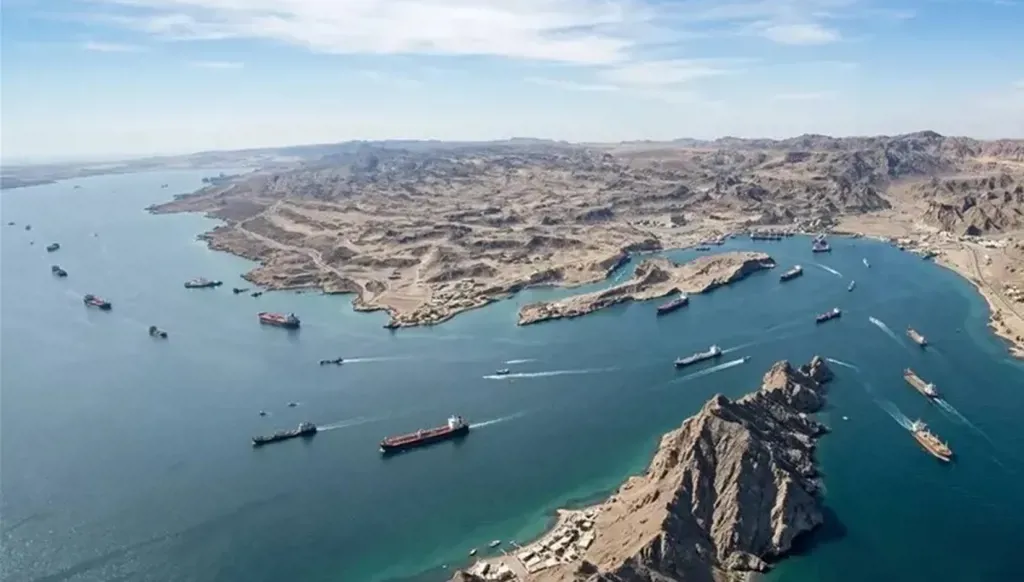


European countries responded one after another regarding the security of navigation in the Strait of Hormuz after US President Donald Trump called on several countries to send warships to help protect the global oil supplies that pass through this vital waterway.
Trump had warned that NATO could face a very bad future if US allies did not help in opening the Strait of Hormuz.
United Kingdom
UK Prime Minister Keir Starmer confirmed that his country is working with its allies to restore freedom of navigation in the Strait of Hormuz, noting that fully reopening the strait "is not an easy task."
He pointed out that international efforts are currently focused on ensuring the safe passage of ships through this vital waterway amid rising tensions in the region.
He added that his country would not be drawn into a wider Iranian war, emphasizing that London will continue working with its partners to reach a swift solution to the crisis.
He explained that once the fighting stops, some kind of agreement will be needed through negotiations with Iran to address the root causes of the tension and ensure stability in the region.
Denmark
The Danish Foreign Minister said today that his country must look with an open mind at ways it can contribute to securing navigation in the Strait of Hormuz.
Germany
The German government stated that NATO “has no business” in the war that erupted in the Middle East following the US-Israeli strikes on Iran, and that the current conflict “is not NATO’s war,” according to Chancellor Friedrich Merz’s spokesperson.
At a regular press conference, spokesperson Stefan Kornelius, government spokesman, said that the alliance is “a defense alliance for territory” and that “there is no mandate to deploy NATO forces” in the current situation.
German Defense Minister Boris Pistorius noted that expanding the “Aegis” mission would require a new mandate from parliament.

العلامات الدالة
الأكثر قراءة