Paying the price: How Iran and Hezbollah shape Lebanon’s fate
As long as the US president remains determined to change or weaken Iran’s regime, Lebanon hangs in the balance. It has been increasingly clear that an action anywhere will trigger blowback everywhere.


شارك على
 مسنجر
مسنجر
 واتساب
 ثريدز
ثريدز
 بريد إلكتروني
 الطباعة
شارك على




Warnings of a preemptive Israeli war on Lebanon, and the international priority to resolve Hezbollah’s weapons issue, are closely linked to broader regional developments. While countries are closely watching the unfolding Iranian situation, it has been increasingly clear that an action anywhere will trigger blowback everywhere.
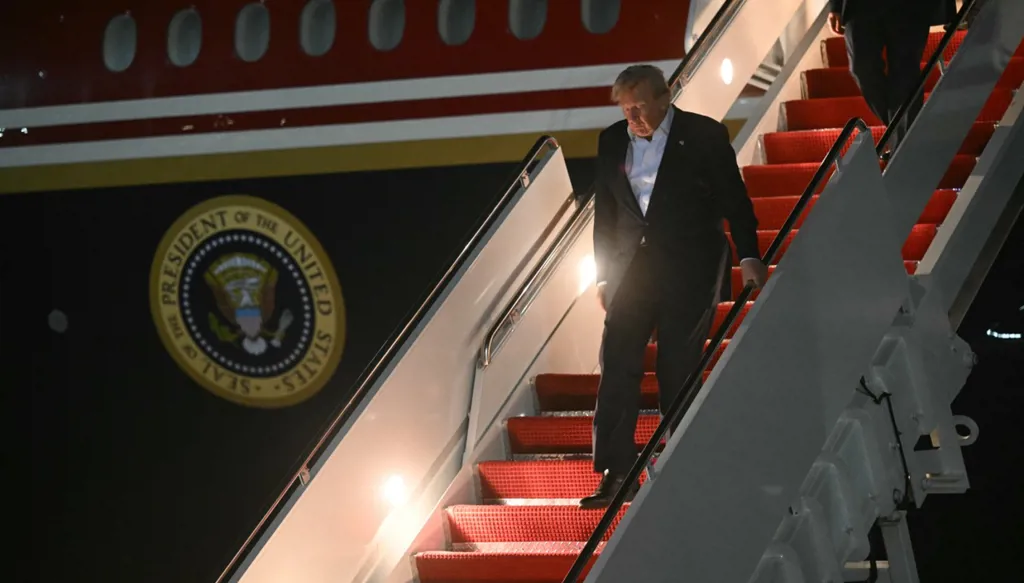
As long as the US president remains determined to change or weaken Iran’s regime, Lebanon hangs in the balance. America seeks to exercise a veto over Iraq, where Trump seeks a leader who can maintain cooperation with the West. While events in Syria meet American expectations for now, Lebanon—waiting in the wings—will be most affected by the repercussions of the Iranian issue. Depending on upcoming developments, Lebanon could either face open Israeli escalation against Hezbollah or see any agreement rearrange its internal balance according to US-desired terms, potentially as part of a negotiation framework with Israel similar to the Syrian model.
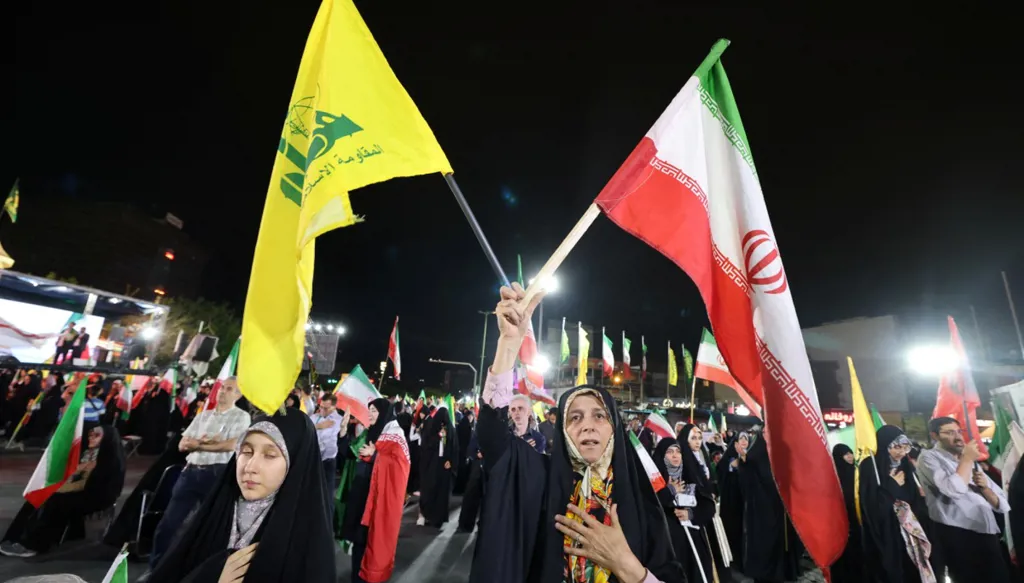
Israel is taking advantage of Lebanon’s current paralysis to impose facts on the ground in the south, amid US insistence on direct negotiations and agreements on security, politics, and the economy. But what has become clear is that the Lebanese government remains constrained by internal divisions, with disputes halting progress on the second phase of the plan to centralize weapons under state control, while Hezbollah sets conditions that go beyond Lebanon itself, tying the country’s fate to the Iranian situation.
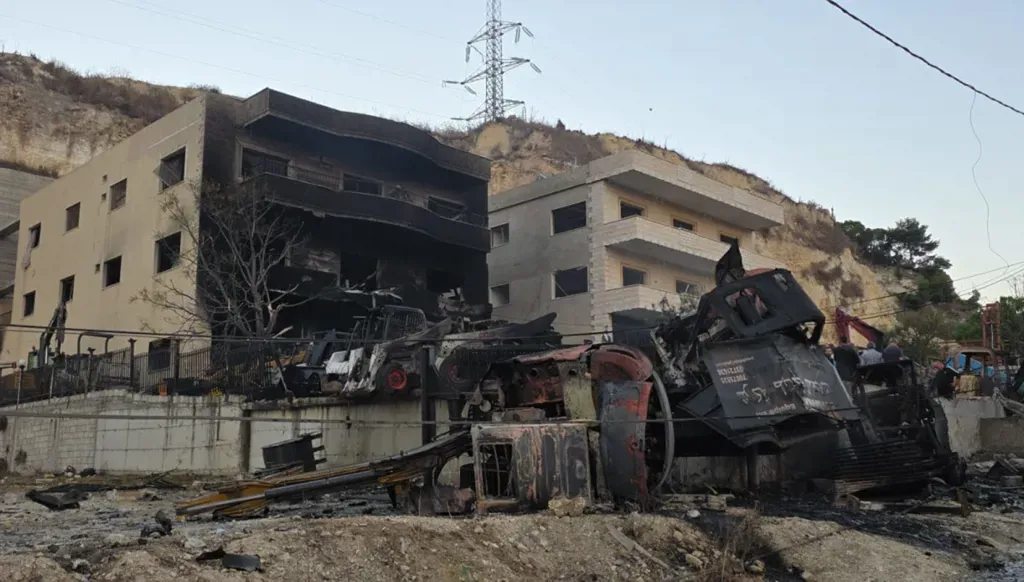
In reality, the plan to centralize weapons under state control is not a minor issue; it is a political indicator of Lebanon’s evolving situation. Hezbollah cannot continue its adventures under the constant Israeli threat, nor can it drag Lebanon into catastrophic wars after the country endured massive destruction, displacement, and heavy strikes during the 66-day war.
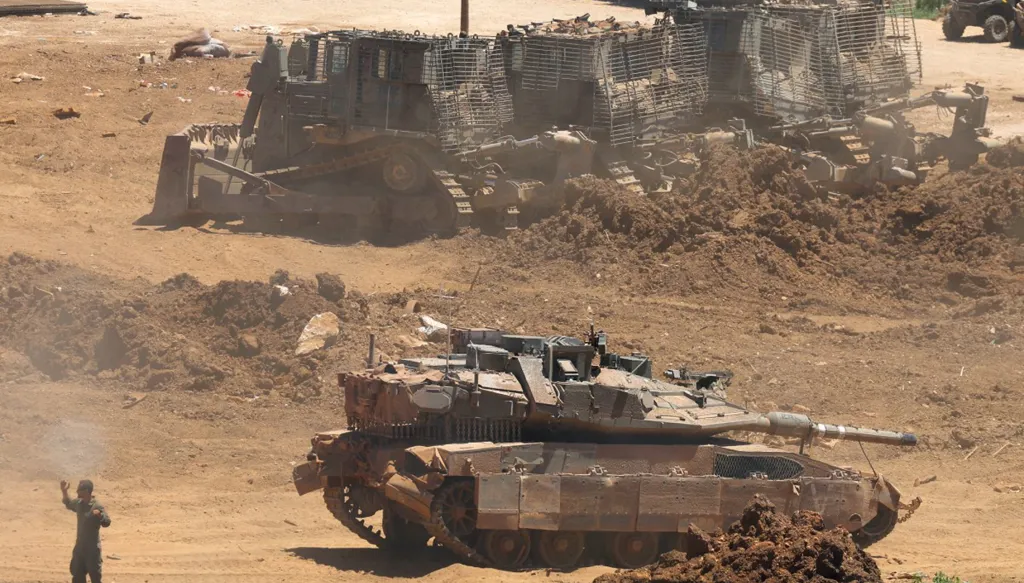
Israel is exploiting the imbalance of power to impose political and security realities, continuing its occupation of more than five key positions, while the Lebanese government struggles internally to negotiate deals among factions that could delay parliamentary elections. Implementing the Taif Agreement without a vision to address the country’s structural problems, safeguard Lebanon, shield it from Iranian-related repercussions, and protect it from potential Israeli war will keep Lebanon trapped in a vicious cycle of paralysis, amid disputes over weapons and conflicting authorities. This raises questions about the political system’s structure, its external dependencies, and how conflicts are managed—or triggered—according to shifting balances of power.
Amid ongoing US pressure to remove weapons, the files cannot remain frozen awaiting negotiation results, because the weapons issue is inseparable from the escalation between Iran and the United States. Estimates suggest Lebanon will not remain untouched by war; it will inevitably be affected, whether through Israeli threats that challenge the state’s disarmament path or the possibility of Hezbollah supporting Iran. It is impossible to predict whether Hezbollah will embark on another risky, potentially suicidal adventure. In any case, the cost Lebanon would bear would be multiplied, even determining the country’s future in the coming period.
Disclaimer: The opinions expressed by the writers are their own and do not necessarily represent the views of Annahar.

العلامات الدالة
الأكثر قراءة