Public pressure tests Prime Minister Nawaf Salam’s government
So far, there are no clear signs that events are moving toward a full-scale escalation. Nevertheless, the tense social climate makes any financial decision sensitive and capable of triggering a rapid wave of objections.


شارك على
 مسنجر
مسنجر
 واتساب
 ثريدز
ثريدز
 بريد إلكتروني
 الطباعة
شارك على


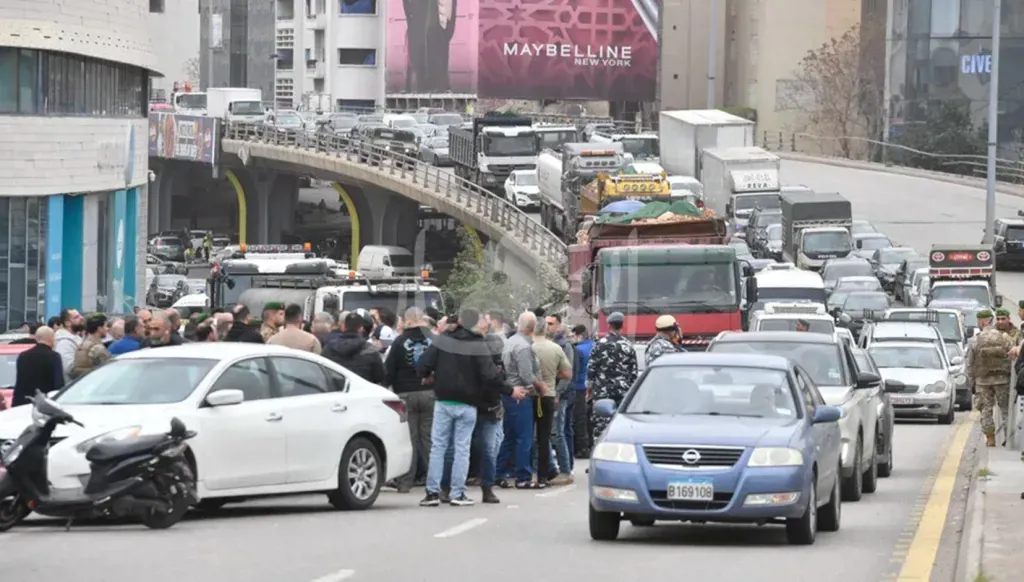


Protests in the country over the tax increases introduced by the government to fund higher public sector salaries could act as a trigger to pressure the Prime Minister or threaten the government, even if indirectly, through street mobilization. Lebanese governments have a long history of collapsing under public pressure, most recently with Prime Minister Saad Hariri’s resignation following the October 17, 2019 uprising over the imposition of a six-cent tax on WhatsApp.
This scenario could still be present today as union-led public protests enter a phase of threatening escalation. However, it is certain that they will not reach a level that endangers the government’s future or survival. The government’s measures were aimed at funding public sector demands, meaning the administration has already responded to public pressure. Today’s protests appear more symbolic than serious, as there is no intention to reverse or fully abandon these measures. The gasoline tax has already been implemented, and its revenue will go to the treasury. The value-added tax, on the other hand, requires legislation in Parliament, where parliamentary blocs will take their stance on the government’s tax policy. It is worth noting that the general assembly, which approved the budget law, managed a last-minute tax adjustment before adjourning when MP Ali Hassan Khalil asked the Speaker to vote on renewing the government’s authority to legislate customs fees. The government can now act on tariffs if it chooses.
The political climate surrounding the budget session will inevitably affect the government’s broader position. MPs report that MP Wael Abou Faour told several members of parliamentary blocs that it was essential to vote in favor of the bill to support the Prime Minister and prevent any attempts to undermine him. Some MPs understood this as a signal of support for Prime Minister Nawaf Salam and his government.
On the other hand, sources close to the Prime Minister’s office emphasize that neither the government nor its head intends to yield to street pressure aimed at securing political gains for opposition forces. They note that the door to dialogue remains open with representatives of the affected sectors, and any escalatory steps in the streets could further complicate both the economic and political situations.
Observers believe that the likelihood of the government being toppled by street protests depends on several factors, most notably: the level of public participation in any protest movement, its geographic spread, the stance of political forces within Parliament, whether popular pressure is translated into constitutional steps to withdraw confidence, and the government’s ability to partially amend or reverse certain measures to ease tensions.
So far, there are no clear signs that events are moving toward a full-scale escalation. Nevertheless, the tense social climate makes any financial decision sensitive and capable of triggering a rapid wave of objections.
While the situation remains open to multiple possibilities—from containing the protests through political compromises to escalation—no one currently has the authority or capacity to topple the government. This is especially true because the outcome depends on the fate of parliamentary elections. If they occur on schedule, the government will effectively be considered resigned. If, however, the parliamentary term is extended, there will be a need for a fully functioning government rather than a caretaker one to confront the challenges of the next phase.
Disclaimer: The opinions expressed by the writers are their own and do not necessarily represent the views of Annahar

العلامات الدالة
الأكثر قراءة