US and Israel prepare for possible military action against Iran
Large-scale troop and equipment deployments coincide with stalled nuclear talks in Geneva.


شارك على
 مسنجر
مسنجر
 واتساب
 ثريدز
ثريدز
 بريد إلكتروني
 الطباعة
شارك على




Talk of a US military action against Iran has resurfaced, coinciding with the conclusion of the second round of US-Iranian negotiations, held in Geneva on Tuesday.
A report by Axios stated that “President Donald Trump’s administration is nearing involvement in a major war in the Middle East, in a development that could begin soon.”
According to Axios sources, estimates indicate that any US military operation against Iran would be large-scale and could last for weeks, making it closer to a total war, unlike the limited operation carried out last month in Venezuela.
The sources also suggested that the operation would likely be a joint campaign between the United States and Israel, broader and more threatening to the survival of the Iranian regime than the war led by Israel that lasted 12 days last June, before Washington joined to target Iran’s underground nuclear facilities.
Observers believe that “the outbreak of a war of this kind would have a profound impact on the overall balance of the region, and it would carry major consequences for the remaining three years of Trump’s term. This comes at a time when Congress and public attention are focused on other issues, amid a lack of broad public debate over what could become the most serious US military intervention in the Middle East in years.”
Earlier in January, Trump came close to ordering a strike on Iran following the crackdown on protests that left thousands dead, but the administration later adopted a dual approach, combining the resumption of nuclear talks with an increased military presence in the region.
Axios sources confirmed that “the scale of the military buildup has raised expectations about the nature of any potential operation if a deal fails, at a time when the chances of diplomatic success appear limited.”
In this context, Trump advisers Jared Kushner and Steve Witkoff held a three-hour meeting in Geneva with Iranian Foreign Minister Abbas Araghchi. Although both sides announced “progress,” significant gaps remain, and US officials expressed “pessimism about bridging them.”
Trump’s deputy, Mike Pence, said the talks had “positive aspects,” but noted that Trump had set “red lines” that Tehran has so far shown no willingness to address, emphasizing that “Trump may conclude that the diplomatic path has exhausted its purpose if no tangible progress is made.”
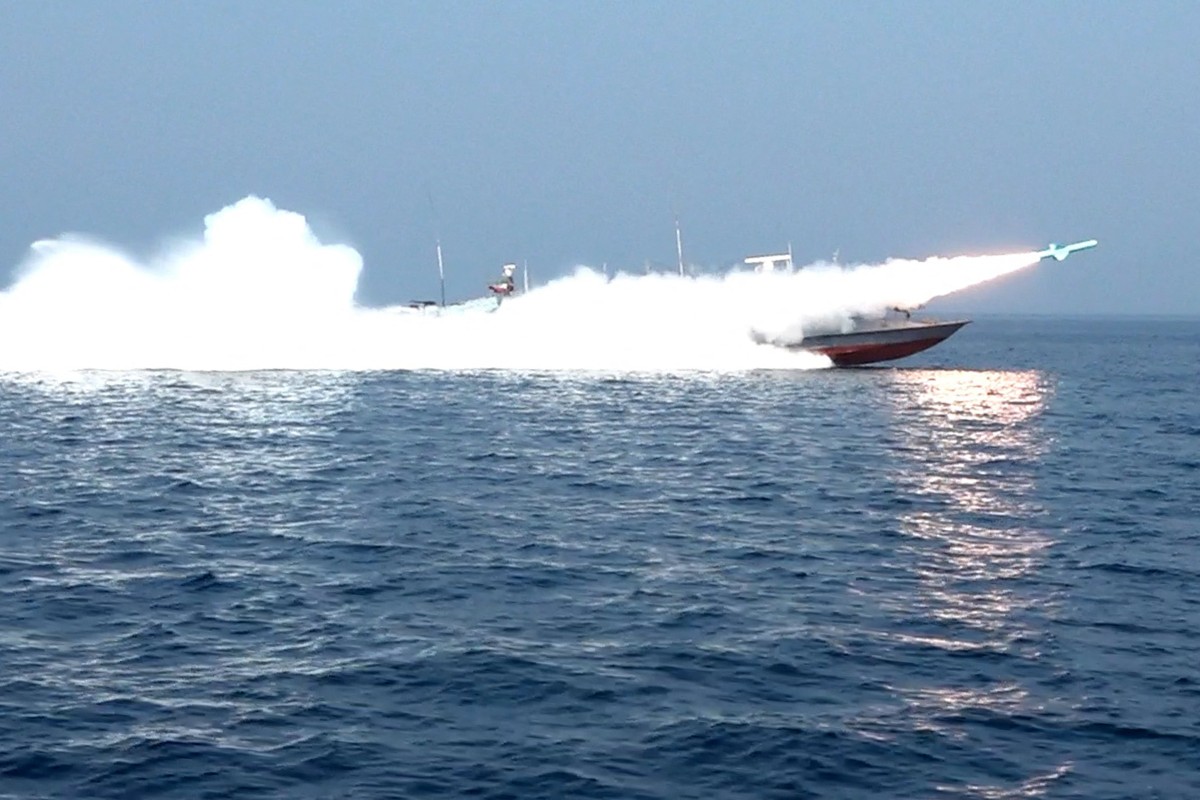
As part of the military buildup, the United States has reinforced its presence in the Middle East to include two aircraft carriers, around 12 warships, hundreds of fighter jets, and multiple air defense systems, with additional reinforcements still en route.
The US has also conducted over 150 military cargo flights to transport weapons and ammunition and sent 50 new fighter jets within the past 24 hours.
Sources told Axios that “the prolonged tension with Iran has made many Americans less concerned about escalation, yet the chances of confrontation are now closer than commonly believed.”
Close aides to the US administration emphasized that “deploying this level of military capability is not a symbolic step, making it difficult for Trump to step back without significant Iranian concessions.”

العلامات الدالة
الأكثر قراءة