From “death to America” to the negotiating table: Iran’s political turn
After months of deadly protests and international pressure, Tehran’s approach to negotiations with the United States reveals deep divides within Iranian society and the regime itself.


شارك على
 مسنجر
مسنجر
 واتساب
 ثريدز
ثريدز
 بريد إلكتروني
 الطباعة
شارك على


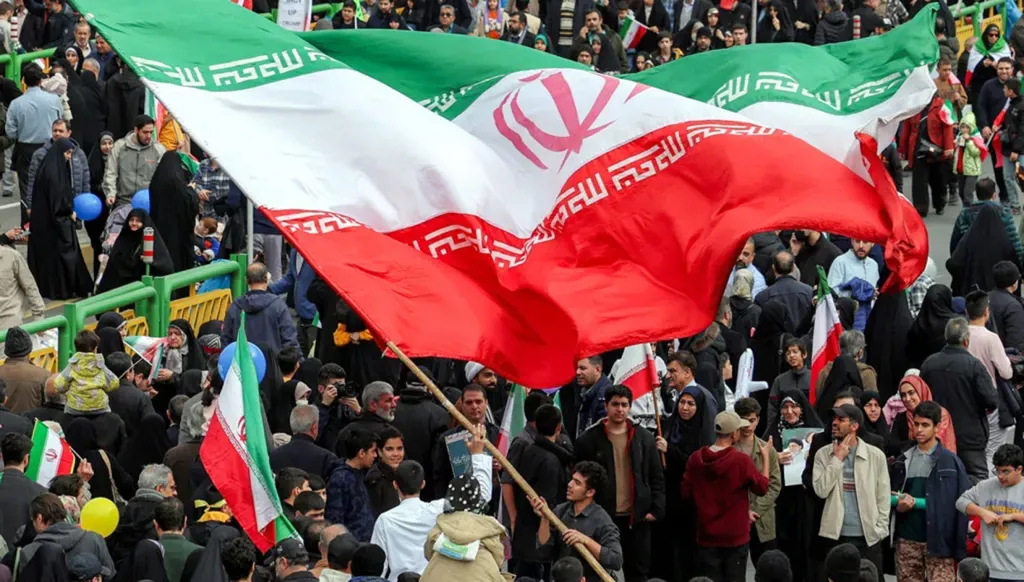


In recent years, when negotiations with Western countries, especially the United States, on lifting economic sanctions and reaching an agreement on nuclear issues were on Iran’s agenda, conservative political activists and pro-regime social groups consistently opposed such talks, viewing them as contrary to the ideological principles of the Islamic Revolution. On the other hand, regime opponents believed that Tehran should ease tensions in its foreign relations through negotiation and agreements with the West, helping to reduce economic and legal pressures on the Iranian people and bringing the Islamic Republic closer to international standards.
Government-affiliated media also labeled supporters of negotiations with the West, particularly the United States, as "Westernized" or "subservient." Some researchers and journalists advocating talks with America were even arrested and tried. For example, in 2002, Abbas Abdi, Behrouz Geranpayeh, and Hossein Ghaziyan were sentenced to prison for conducting a public opinion survey showing that the majority of Iranians supported negotiations with the United States.
From rejecting negotiations to calling for military intervention
However, the scene shifted after the bloody protests that swept Iran last month (from late December 2025 to January 2026), during which at least three thousand people were killed. Regime opponents, especially abroad, called on U.S. President Donald Trump to fulfill his promise of "defending the Iranian people" and urged him to launch a military strike against Iranian officials. Trump had previously encouraged the Iranian people to rely on his support in confronting the regime’s repressive apparatus.
This change in attitude among a segment of Iranian society came just eight months after the joint U.S.-Israeli attack on Iran between June 13 and 24, 2025, during which the majority of Iranians largely united against Washington and Tel Aviv and rejected military intervention.
Yet subsequent developments, the crushing economic pressure, the outbreak of recent protests, and, most importantly, the violent crackdown that left many dead, fueled deep anger and resentment among a segment of Iranian society toward the regime. Some have even welcomed the idea of a U.S. military strike against the regime, even if it led to its collapse.
Muscat negotiations: A shift in the political mood
In this climate, Iran’s shuttle diplomacy, particularly the latest round of indirect negotiations with the United States in Muscat last week, and the visit of the Secretary of the Supreme National Security Council, Ali Larijani, to Oman and Qatar, elicited mixed reactions from the public, political currents, and experts, sharply contrasting with past attitudes.
This time, unlike before, opponents and critics of the Iranian regime feel anxiety and concern over Tehran entering talks with Washington, fearing that any potential agreement could strengthen the regime’s political foundations, ensure its survival, and enable it to continue domestic repression with even greater intensity.
This group also sees the recent arrests of several reformist political activists, coinciding with the progress of negotiations, as evidence that reinforces their fears.
Conversely, supporters of the Iranian regime, along with conservative media and political parties, have responded to the negotiations with notable enthusiasm and interest, in stark contrast to their previous stance of rejecting talks with the United States.
Diplomacy under fire and mixed messages
This approach accurately reflects the Islamic Republic’s official policy, which is currently attempting to use diplomacy to avoid sliding into a regional war. In this context, Larijani announced the possibility of negotiating the transfer of 400 kilograms of enriched uranium from Fordow facilities out of Iran, while emphasizing that issues such as missile capabilities are non-negotiable.
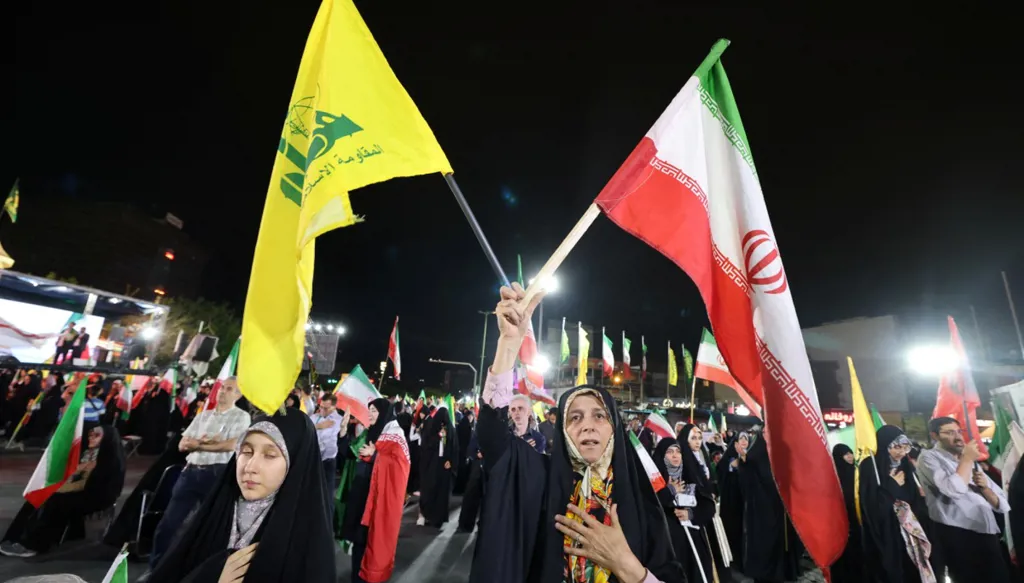
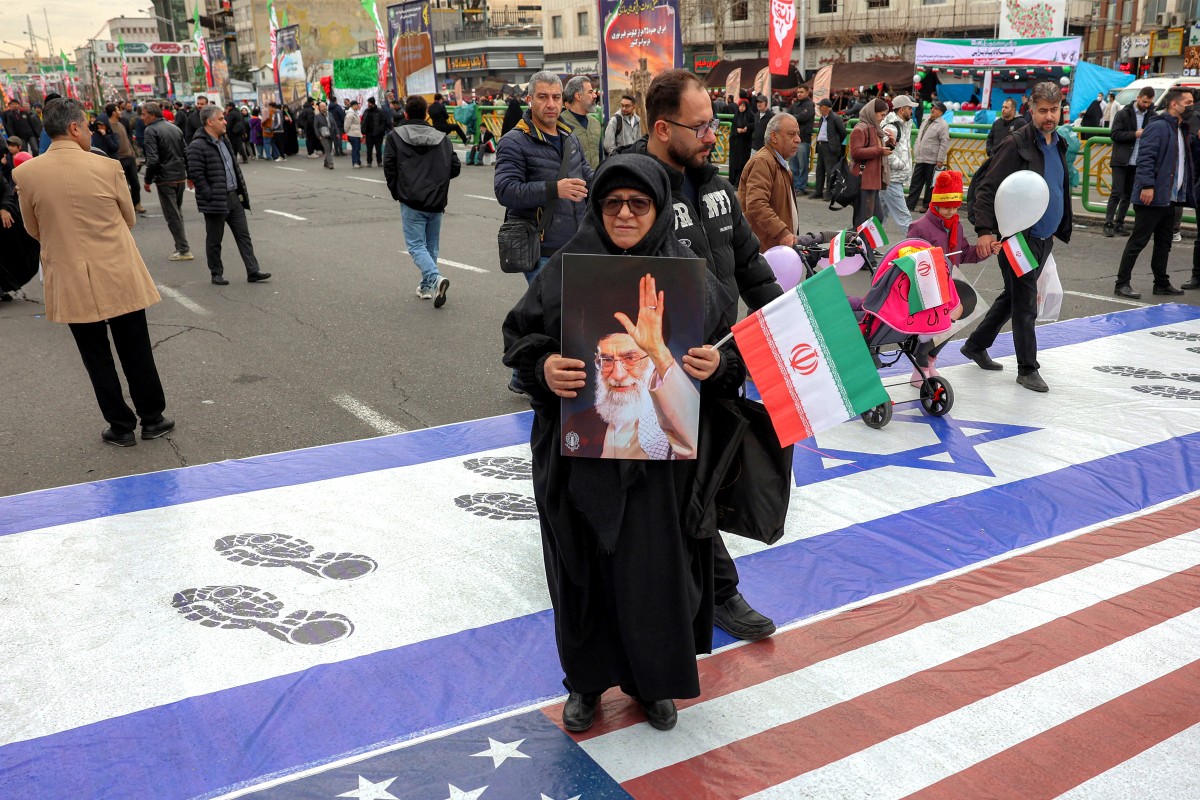
Although Tehran does not trust U.S. President Donald Trump’s promises and fears Israel’s role in undermining the negotiation process, it balances its pursuit of an agreement with a show of strength. For instance, during the February 11, 2026 demonstrations in Tehran, participants chanted the usual slogans such as "Death to America" and "Death to Israel," displayed a symbolic coffin representing U.S. military officials, burned American and Israeli flags, and stomped on them. However, this year, participants notably avoided targeting Trump personally with effigies, as had occurred in previous years.
Official Iranian media reported that over 26 million people took part in the rallies commemorating the victory of the Islamic Revolution across more than 1,400 cities, in response to Supreme Leader Ayatollah Ali Khamenei’s call. This could give Tehran greater leverage to adopt a firmer position in the next round of negotiations.
Disclaimer: The opinions expressed by the writers are their own and do not necessarily represent the views of Annahar

العلامات الدالة
الأكثر قراءة