Iraq in transition: Expanding ties with Turkey while recalibrating Iran relations

Opinion 13-02-2026 | 12:54

Iraq in transition: Expanding ties with Turkey while recalibrating Iran relations

Iraq seeks to redefine its role, balancing traditional ties with Iran and emerging opportunities with Turkey and Europe.
Iraq in transition: Expanding ties with Turkey while recalibrating Iran relations
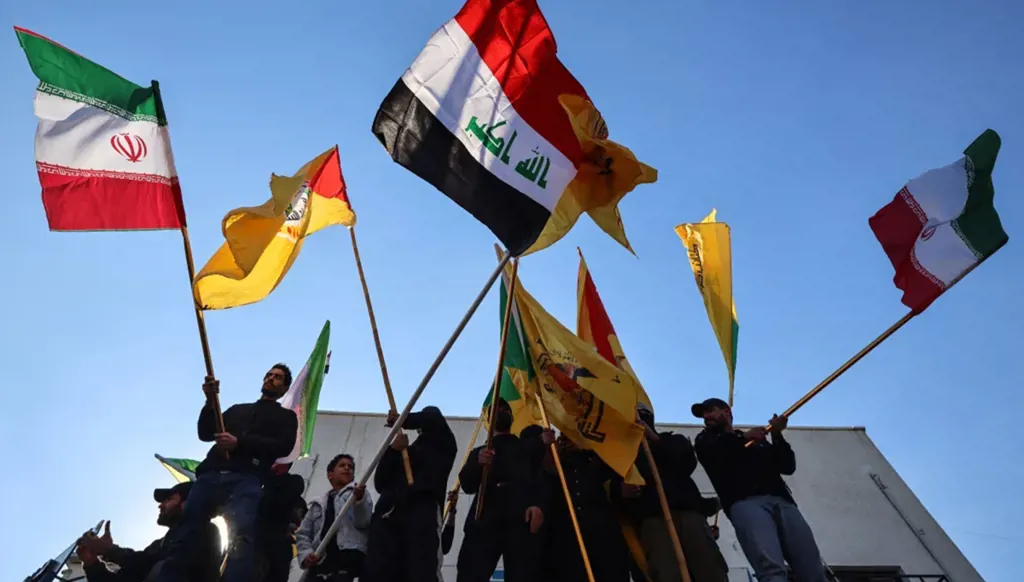
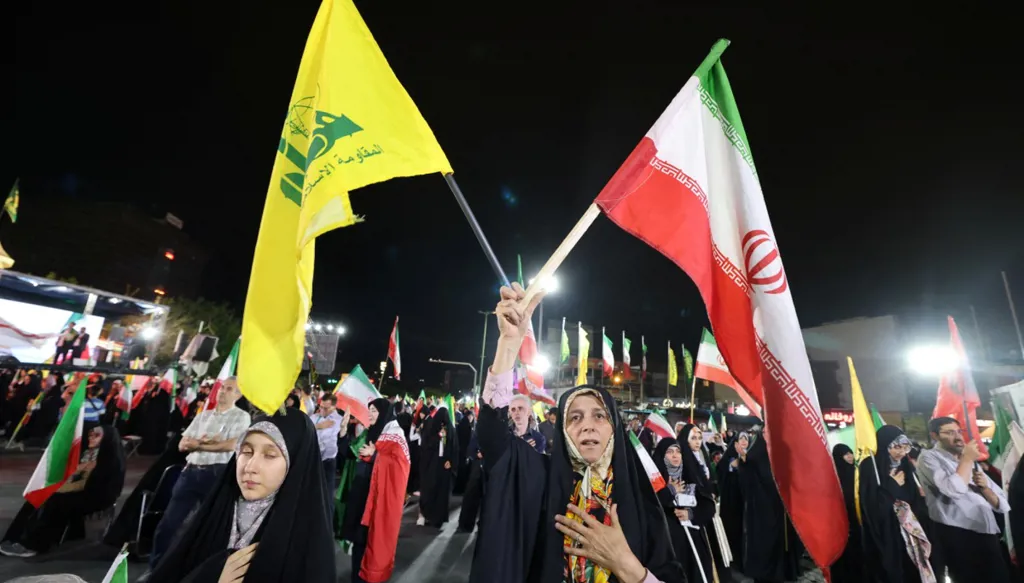
Demonstration in Baghdad showing support for Iran and its Supreme Leader amid threats of military action against Tehran, January 16, 2026. (AFP)
Smaller Bigger

It seems that Iraq stands on the verge of redefining its geopolitical position, gradually moving away from the singular circle of influence that has characterized its foreign policy for years, and heading towards a more balanced approach based on diversifying strategic partnerships. During 2025 and 2026, clear indicators emerged of deepening ties with Turkey on sovereign and vital issues, alongside increasing discussion of a relative decline in Iranian influence—a shift reflecting the rise of a more pragmatic Iraqi approach, seeking interests that transcend traditional alignments.

The "Development Path" project spearheads this transformation as a major economic and geopolitical pillar, connecting Faw Port to the Turkish borders and extending to European markets, positioning Iraq before a historic opportunity to emerge as a regional energy and logistics hub.

Simultaneously, Iraqi-Turkish relations experienced a qualitative leap in late 2025, marked by expanded security cooperation and the activation of joint agreements to address border challenges, strengthening Ankara’s role as a key player in the stability of northern and western regions. The water cooperation protocol and its implementation mechanisms highlighted Baghdad's recognition of the water crisis's sensitivity and its commitment to pursuing practical solutions through direct partnerships amid growing concerns over drought and dwindling resources.

On the other hand, political analyses point to a decline in the traditional monopoly of Iranian influence within Iraq, coinciding with the emergence of a discourse centered on "national pragmatism."

Al-Marsoumi, a leader of the "Reconstruction and Development Coalition," believes that over the past three years, Iraq has succeeded in attaining advanced levels of balance in its regional and international relations by adopting an approach that prioritizes national interest in all external engagements, rather than the calculations of individuals or groups.

Al-Marsoumi emphasizes in his conversation with Annahar that "Turkey, as an active regional state, is essentially no different from other Iraqi partners, as it shares common interests with Baghdad based on a future vision aimed at consolidating stability and advancing sustainable economic development," adding that "keeping Iraq away from paths of conflict and confrontation has become an urgent necessity to protect the country’s future amid complex political, economic, and social challenges, requiring state institutions to work toward the central goal of enhancing security and stability."


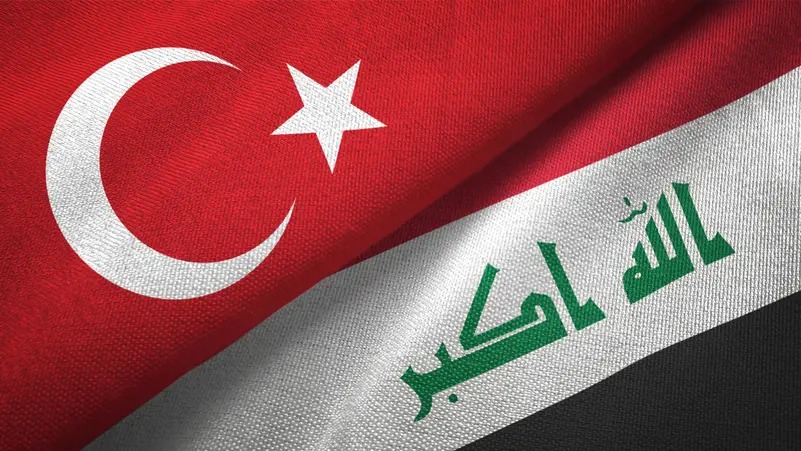
Flags of Iraq and Turkey. (X)


International pressure and cross messages

This transformation does not occur in isolation from notable international stances; the U.S. Embassy in Baghdad emphasized that "the Iraqi government must remain fully independent of the Iranian decision," underscoring Washington's determination to employ its tools to counter activities that threaten Iraq’s stability.


Conversely, Ankara moved to contain a controversy sparked by statements from Turkish Foreign Minister Hakan Fidan, after the Turkish Foreign Ministry reaffirmed its support for Iraq’s territorial integrity and sovereignty. Fidan had questioned the necessity of taking a clear stance on the presence of the "Kurdistan Workers' Party," which Turkey classifies as a "terrorist organization," on Iraqi soil, warning that sovereignty "is indivisible" and that "countries that do not resolve the issue of weapons and decision-making on their land may become arenas for settling scores."


The Iraqi response was swift, with the Foreign Ministry affirming its rejection of any interference in internal affairs, aiming to maintain a delicate balance between openness to partnerships and the protection of national sovereignty.


Between opportunities and fears

Security and military expert Mokhled Hazem, in a statement to Annahar, observes that "Iraq has begun taking advanced steps to become an active and influential player in its regional environment, yet this progress still faces security and sovereignty challenges, particularly in managing the relationship with Turkey, where interests intersect with sensitive issues such as borders, armed organizations, and water."


Meanwhile, academic and researcher Ghaleb Al-Daami provides a more cautious perspective, noting that there is a "containment process" of Iranian influence within Iraq, and observing that "Ankara represents part of a broader project to rearrange the balances in the region."


Al-Daami cautions in his conversation with Annahar against replacing one influence with another, stating: "We do not want to move from Iranian influence to Turkish influence." He emphasizes that the real challenge facing the Iraqi leadership is to make Baghdad "influential and active, not subordinate."


He adds that Turkey "holds political weight within certain Iraqi circles, which requires decision-makers to manage the relationship cautiously, especially amid concerns about adopting political or administrative models that may not align with the uniqueness of the Iraqi system."


Turkish political analyst Muhannad Oğlu suggests that "change is coming to Iraq," potentially imposed by force, reflecting the intensity of regional competition over the country’s future, although he notes that this does not necessarily represent an official position.


Ultimately, it appears that Iraq is not so much departing from its historical relationship with Iran as it is working to recalibrate it, while simultaneously opening wider channels with Turkey and other countries. Baghdad aims to position itself as a "bridge" linking the Gulf to Europe via the Turkish gateway, with growing emphasis on sovereignty-related issues—water, economy, and transportation—within an emerging axis between Baghdad and Ankara.


However, the success of this path remains contingent on Iraq’s ability to manage these balances without falling into sharp polarizations, transforming its role from a zone of regional competition into an active player shaping the rules.


Disclaimer: The opinions expressed by the writers are their own and do not necessarily represent the views of Annahar.


العلامات الدالة

الأكثر قراءة

اقتصاد وأعمال 4/3/2026 6:20:00 AM
"النهار" تلقي الضوء على تفاصيل المشروعات السورية الخمسة لربط الخليج بالبحر المتوسط وأوروبا، وأهميتها والتكلفة الاستثمارية لها، والتحديات التي تواجه هذه المشروعات، والعائد الاقتصادي لهذه المشروعات سواء على الاقتصاد السوري أو على اقتصادات الخليج
ايران 4/3/2026 3:13:00 PM
وكانت إيران قد أعلنت، في وقت سابق من اليوم الجمعة، أنها أسقطت طائرة من نوع إف-35 أميركية الصنع فوق أجوائها، وأشارت إلى أن مصير الطيار "ما زال مجهولاً".
اسرائيليات 4/2/2026 6:02:00 PM
ظاهرة لافتة في تل أبيب تمثّلت في تحليق كثيف لأسراب الغربان، بالتزامن مع استمرار الحرب والهجمات الصاروخية
اسرائيليات 4/3/2026 9:21:00 AM
الجيش الإسرائيلي: مخطط لإطلاق صاروخ مضاد للدروع نحو أراضي دولة إسرائيل