Record GDP growth highlights Abu Dhabi’s economic resilience
Abu Dhabi posts 7.7% GDP growth in Q3 2025, with construction, logistics, finance, and energy leading the post-oil economic expansion and reinforcing the emirate’s diversification and resilience.



شارك على
 مسنجر
مسنجر
 واتساب
 ثريدز
ثريدز
 بريد إلكتروني
 الطباعة
شارك على


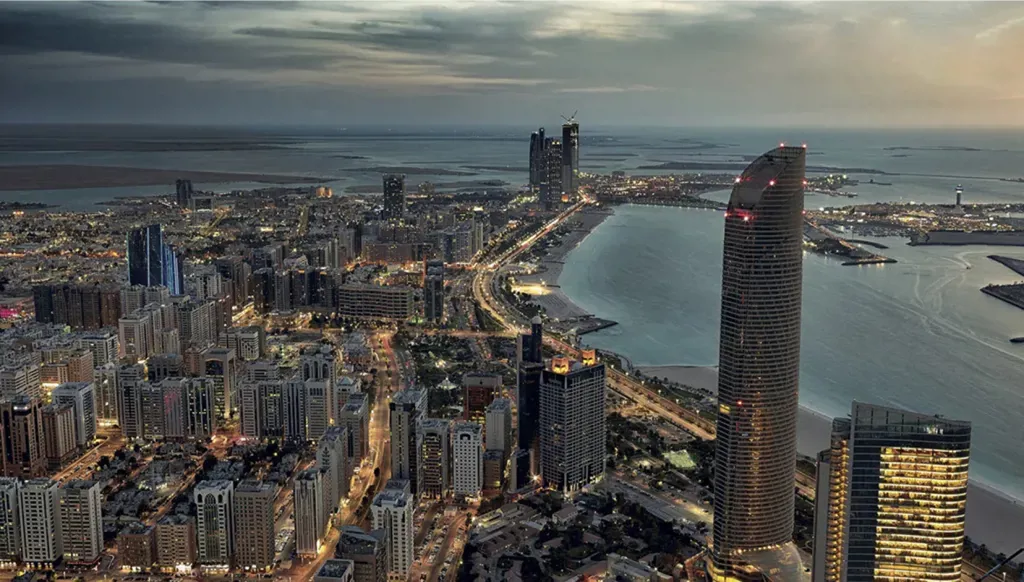


Abu Dhabi’s economy is experiencing a remarkable phase of expansion, demonstrating the strength of its foundations and its ability to sustain growth in a volatile global environment. Data from the Abu Dhabi Statistics Center show that the emirate’s GDP in the third quarter of 2025 (July to September) grew by 7.7% compared to the same period in 2024, reaching AED 325.7 billion—the highest quarterly level ever recorded.
This performance underscores the rising role of non-oil sectors, which grew by 7.6% during the same period, reflecting the ongoing structural transformation of the emirate’s economy toward greater diversification.
Preliminary estimates indicate that non-oil activities accounted for 54% of total GDP in the third quarter, valued at AED 175.6 billion, clearly demonstrating the growing contribution of these sectors in driving economic growth.
Over the first nine months of 2025, the overall economy grew by 5%, while non-oil activities accelerated to 6.8% growth. This indicates balanced economic performance and continued positive results despite international challenges and uncertainties.
Sustainable economic diversification
In this context, economic expert Dr. Bilal Allama told Annahar that “the recorded results reflect the strength of the emirate’s economic model, based on enhancing resilience, expanding diversification, and creating long-term sustainable value.”
Allama explained that “Abu Dhabi’s investment environment, which enjoys high levels of global competitiveness, continues to attract capital, talent, and companies seeking a stable business environment capable of supporting expansion.” He also emphasized the emirate’s commitment to developing regulatory frameworks aligned with the needs of investors and talent, aiming to translate the economic vision into tangible results that enhance quality of life and support international partnerships.
Sectors driving growth
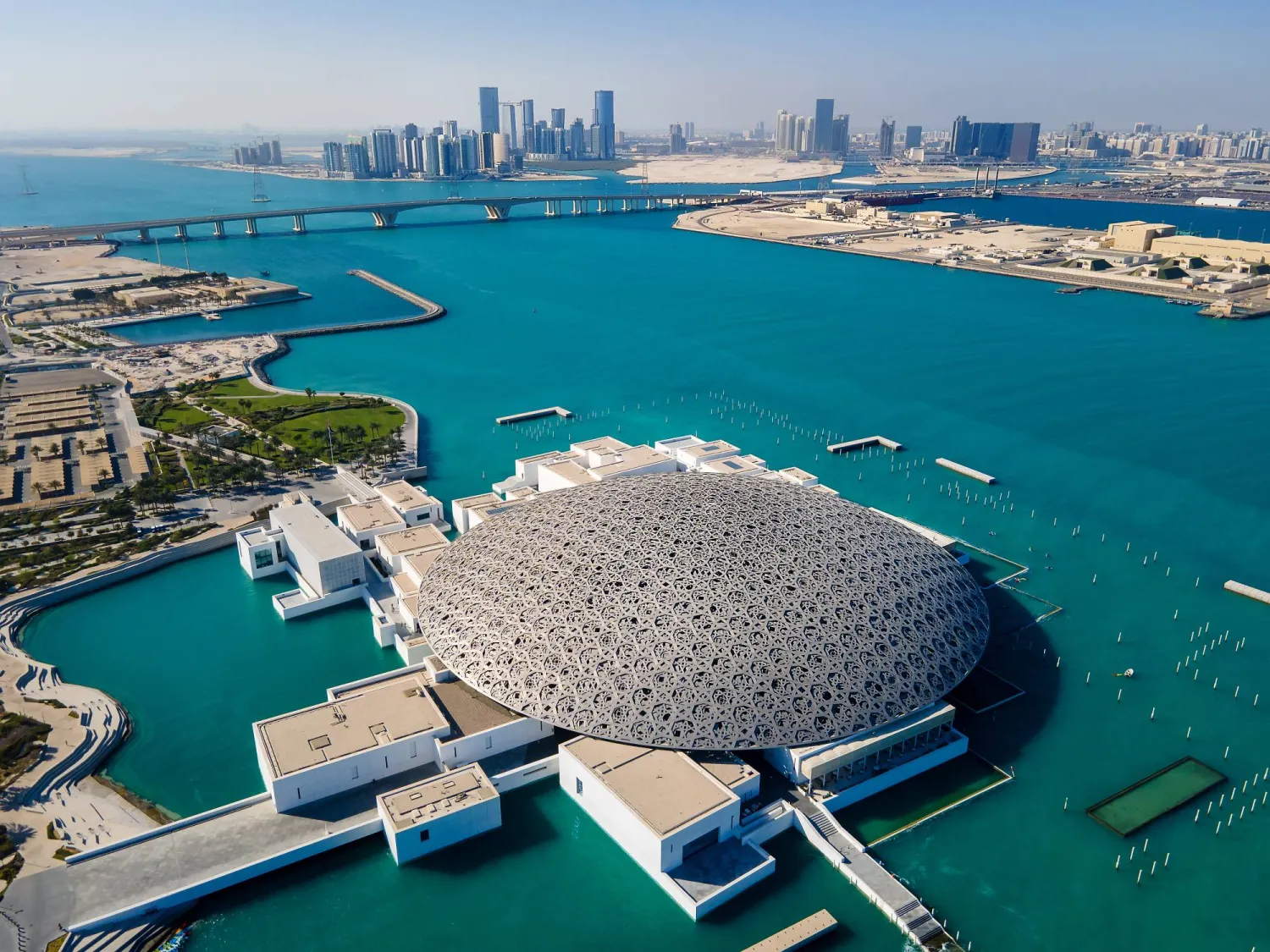
At the sectoral level, the construction sector recorded strong growth of 13.9% in the third quarter of 2025, contributing 9.4% to GDP, with an added value of AED 30.5 billion. This performance reflects continued activity in infrastructure and urban development projects, supported by accelerated project execution and an increasing role of the private sector.
Transport and storage activities also grew by 13.8%, with an added value of AED 8.2 billion, driven by higher shipping volumes, container movement, and port revenues. This growth coincides with significant expansion in logistics infrastructure, including extended agreements at Khalifa Port, advancements in autonomous transport technologies, and Abu Dhabi hosting Global Rail 2025, a specialized event in the railway, transport, and infrastructure sector.
The real estate sector grew by 13.1% over the same period, contributing 3.7% to GDP with an added value of AED 12.1 billion, supported by ongoing demand for residential, commercial, and mixed-use projects, alongside urban expansion across the emirate.
In the financial and insurance sector, growth reached 8.5%, contributing 6.5% to GDP with an added value of AED 21.3 billion. This reflects the development of Abu Dhabi’s financial system, supported by increased banking activity and the expanding presence of international financial institutions.
Manufacturing maintained its central role in the non-oil economy, with a sector added value of AED 30.5 billion in the third quarter, contributing 9.4% to GDP and growing by 2.4%. This performance results from industrial expansion, enhanced supply chain integration, and initiatives aimed at boosting local manufacturing capabilities and deepening value chains within the country.
Electricity, gas, and water activities saw notable growth of 16.2% compared to the third quarter of the previous year, with an added value of AED 6.2 billion and a 1.9% contribution to GDP. This reflects continued investment in energy and utility infrastructure to meet economic and population growth needs, particularly after completing the first full year of operations at the Barakah nuclear power plants. This has strengthened supply stability and supported industrial and commercial activities across the emirate.
An economy steadily moving toward the future
Together, these indicators reflect an economic trajectory built on diversification, resilience, and investment in vital sectors. With continued enhancements to the legislative environment and infrastructure, Abu Dhabi is well-positioned to consolidate its role as a regional and global economic hub, capable of achieving sustainable and inclusive growth in the coming years.

العلامات الدالة
الأكثر قراءة

علي موسى دقدوق: أنباء عن مقتله تعيد إلى الواجهة أحد أبرز المطلوبين لواشنطن

قصة "محروك إصبعه" التي تعكس تجارب الفقر والصعوبات التي عاشها كاظم الساهر في طفولته.