Lebanon’s fight against corruption: A crucial test for reform, stability, and international trust

Business Tech 10-02-2026 | 15:44

Lebanon’s fight against corruption: A crucial test for reform, stability, and international trust

As Lebanon struggles with entrenched corruption, modest progress offers hope—but only deep, transparent reforms can restore investor confidence, rebuild state institutions, and secure the country’s place on the regional and global stage. 

Lebanon’s fight against corruption: A crucial test for reform, stability, and international trust
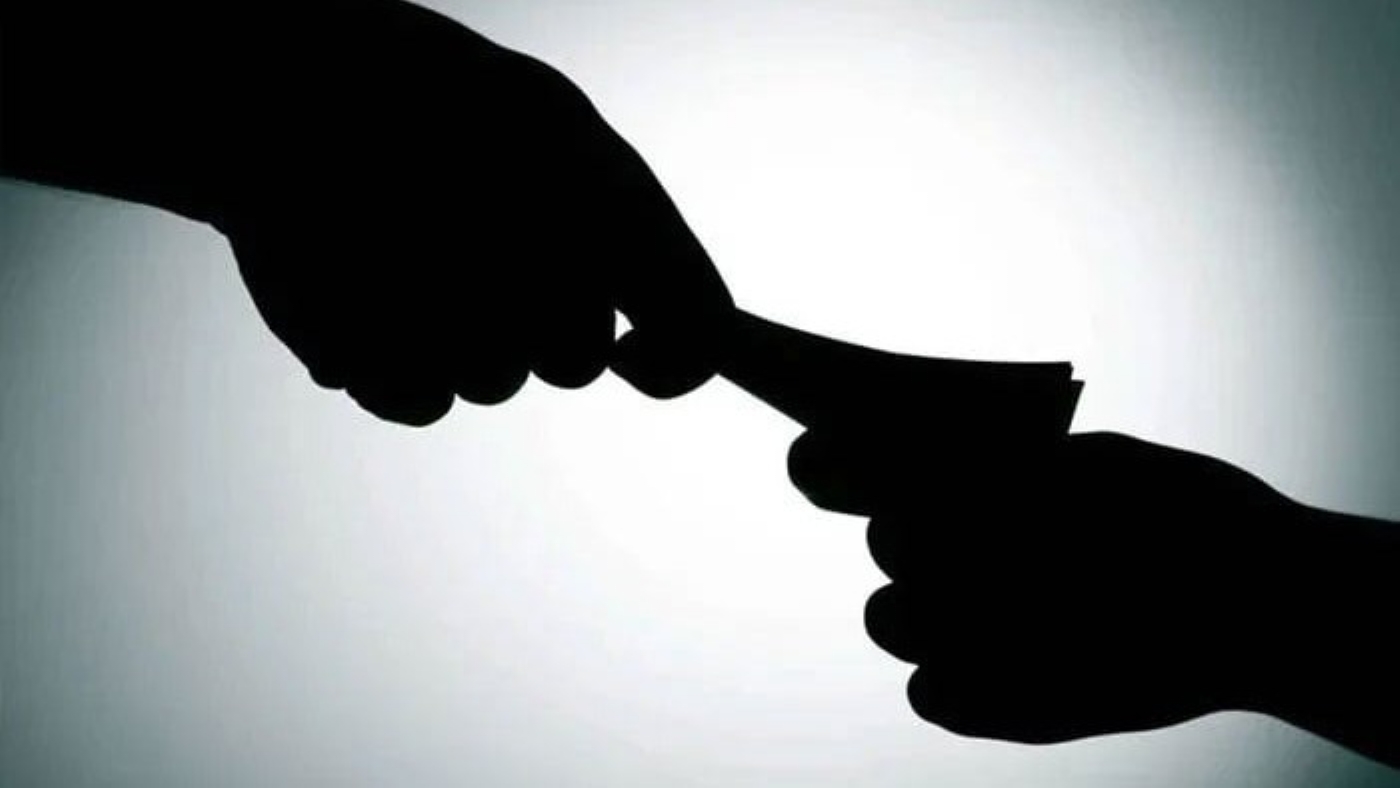
Illustrative image.
Smaller Bigger

Corruption in Lebanon is one of the most influential factors shaping the state’s trajectory and its economic and political stability. It has evolved from an administrative problem into a deeply entrenched system embedded in the foundations of governance and public administration. This reality not only erodes citizens’ trust in their institutions but also significantly affects the country’s regional and international standing, as well as its ability to attract investment and secure financial support.


Against this backdrop, the Corruption Perceptions Index assumes particular significance, serving as a mirror of Lebanon’s image abroad and a gauge of the seriousness of its internal reform efforts. The Lebanese Transparency Association – No Corruption recently released the results of the 2025 Corruption Perceptions Index, in which Lebanon scored 23 out of 100, ranking 153rd out of 182 countries. Although this reflects a slight improvement from 2024, when the score was 22, the progress is minimal and does little to alter Lebanon’s persistently low standing on the global stage.


Reviewing Lebanon’s performance over the past decade reveals continual fluctuations in its ranking, highlighting the absence of a consistent and sustainable reform trajectory. It also indicates that any improvements achieved were largely driven by temporary circumstances rather than by enduring structural reforms.


The stark contrast between Lebanon and several countries in the region underscores the magnitude of the challenge. The United Arab Emirates scored 69 points, Qatar 58 points, and Saudi Arabia 57 points, highlighting significant differences in the effectiveness of public policies and the capacity of institutions to enforce transparency and accountability. This gap extends beyond numerical rankings, directly affecting a country’s ability to attract investment and secure international financial aid, as external support and loans are increasingly tied to the seriousness of reform and anti-corruption measures. For Lebanon, combating corruption has shifted from a discretionary choice that could be postponed to an essential prerequisite for the state’s integration into regional and international systems.


Although some indices show slight progress, this advancement remains fragile, hindered by weak accountability, stalled institutions, and persistent external interventions that undermine stability and erode state authority. Meaningful reforms require a stable political and security environment to produce tangible results—conditions that Lebanon has yet to fully achieve.


On the other hand, Mohammad Farid Matar, President of the Lebanese Transparency Association – No Corruption, told Annahar that Lebanon has a genuine opportunity to rebuild its oversight and judicial institutions on more independent and efficient foundations. This opportunity is particularly promising given the rising popular and international support to strengthen these institutions and shield them from political interference. His assessment reflects a growing recognition that combating corruption is not merely a reform demand but a fundamental condition for the reconstruction of the state and its institutions.


Corruption. (AFP)
Corruption. (AFP)

 

The association’s executive director, Julian Courson, notes that the limited progress achieved occurred at a crucial political juncture, following the election of a new president and the formation of a government that prioritized reform to rebuild trust and modernize the governance system after years of systemic corruption. In 2025, the Lebanese government launched a comprehensive reform initiative aimed at enhancing transparency and enforcing key anti-corruption laws, including those on asset and interest disclosure, illicit enrichment penalties, public procurement, and whistleblower protection. The initiative also introduced more transparent public sector appointment mechanisms, emphasizing merit and competence over quota-based allocation.


Nevertheless, this reform path remains vulnerable amid ongoing security instability, which could impede the implementation of these measures if they are not institutionalized as integrated and sustainable policies. In this context, the upcoming parliamentary elections represent a crucial benchmark for consolidating the democratic process and strengthening transparency, serving as a true test of the state’s commitment to breaking the chronic cycle of widespread corruption.


Lebanon is not an isolated case within its regional context. The 2025 Corruption Perceptions Index indicates that corruption remains widespread across the Middle East and North Africa. Since 2012, three out of 18 countries have experienced a sharp decline in performance, while no country has made significant progress, highlighting a persistent failure to tackle public sector corruption due to negligent political leadership and weak accountability mechanisms. Even countries with higher scores, such as the UAE, Qatar, and Saudi Arabia, link their reforms to sustained political will—particularly in non-democratic systems, where such efforts remain vulnerable to backsliding.


Civil society plays a central role in this context, as the restriction of its space in several regional countries has created conditions that allow corrupt practices to thrive, by undermining the capacity of the press, NGOs, and whistleblowers to expose abuses of power. A notable example is Morocco, where these limitations have weakened investigations into embezzlement cases and sparked youth-led protests. Conversely, countries such as Syria, Libya, and Yemen score very low on the index due to ongoing or recent conflicts, which have weakened government commitment to fighting corruption and pushed good governance to a secondary priority amid political rivalries and resource scarcity.


In this complex landscape, the modest progress Lebanon has made represents a limited positive signal, yet it remains insufficient unless it is translated into profound reforms that strengthen the independence of oversight bodies, expand the space for civil society, and ensure meaningful accountability for those in power. Combating corruption is no longer merely an administrative or legal issue; it is a long-term endeavor to rebuild trust between the state and society and to restore Lebanon’s standing in a regional and international environment where transparency serves as a fundamental measure of a state’s seriousness and its capacity for recovery.

العلامات الدالة

الأكثر قراءة

اقتصاد وأعمال 4/3/2026 6:20:00 AM
"النهار" تلقي الضوء على تفاصيل المشروعات السورية الخمسة لربط الخليج بالبحر المتوسط وأوروبا، وأهميتها والتكلفة الاستثمارية لها، والتحديات التي تواجه هذه المشروعات، والعائد الاقتصادي لهذه المشروعات سواء على الاقتصاد السوري أو على اقتصادات الخليج
ايران 4/3/2026 3:13:00 PM
وكانت إيران قد أعلنت، في وقت سابق من اليوم الجمعة، أنها أسقطت طائرة من نوع إف-35 أميركية الصنع فوق أجوائها، وأشارت إلى أن مصير الطيار "ما زال مجهولاً".
اسرائيليات 4/2/2026 6:02:00 PM
ظاهرة لافتة في تل أبيب تمثّلت في تحليق كثيف لأسراب الغربان، بالتزامن مع استمرار الحرب والهجمات الصاروخية
اسرائيليات 4/3/2026 9:21:00 AM
الجيش الإسرائيلي: مخطط لإطلاق صاروخ مضاد للدروع نحو أراضي دولة إسرائيل