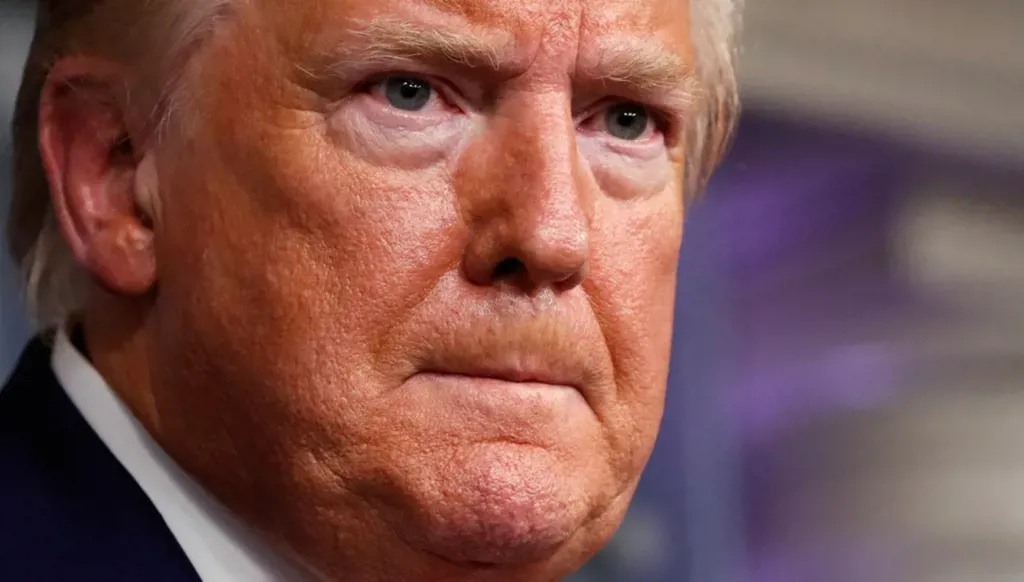
Archived photo of U.S. President Donald Trump (AP)
During a TV interview in 1980, a wealthy young American was asked about the possibility of going to Iran, if given the chance, to save the American hostages. He clearly stated, "I would have done it... definitely." Despite the journalist's insistence on the difficulty of the situation, the young man stood by his position.
The response of the then-business tycoon, Donald Trump, seemed obvious and expected. No one would say they wouldn't go on a military mission to rescue their fellow citizens, as they would be accused of cowardice and betrayal. However, it was palpable how the hostage crisis influenced his thinking, even leading him to criticize President Jimmy Carter's administration for its passive handling of the issue.
From the Godfather movie
Eight years later, Trump sat down with journalist Polly Toynbee from the British "The Guardian." Toynbee asked him about the slogan for his presidential campaign if he decided to run for U.S. President. In a way that reminded the journalist of the film "The Godfather," Trump replied: "Respect." He continued, "I would be tough on Iran. They have been psychologically beating us and making us look like a bunch of fools... it would be good for the world to confront them."
He added, "One bullet on our men or ships, and I'll fire several at Kharg Island. I'll enter and control it. Iran can't even overcome Iraq, yet they pressure us."
These interviews show that Trump's discontent with Iran is very old. Furthermore, Trump seemed to be aware in his youth of one of Iran's weaknesses: Kharg Island, a transit point for about 90 percent of Iran's oil to the outside world.
Calculated risk
In recent days, Tehran tested the pulse of the American president, either by sending a drone toward the Abraham Lincoln aircraft carrier or by announcing a set of conditions for negotiation. Trump re-escalated his rhetoric on Wednesday afternoon, indicating that Iranian Supreme Leader Ali Khamenei should feel "very concerned." Then, after the negotiations stumbled, both parties stepped back from the brink, and talks were rescheduled for Friday.
Nevertheless, Iran's calculated risk was not devoid of reasonable calculations. On the one hand, Trump himself allowed the Iranian gamble by merely reducing his threats and agreeing to negotiate with them.
As Annahar mentioned a few days ago, delaying or suspending the war primarily benefits Iran. This retreat gave Tehran room for escalation, showing that they didn’t enter negotiations under pressure. Trump understands the other party's desire to save face, as was evident after the bombing of Iran's nuclear program last June.
On the other hand, Tehran knows that most regional powers do not want war in the region and are pressuring the American administration to move toward negotiation. Therefore, Iran’s calculations have succeeded… so far.
Reading Trump’s “weakness”… Does it hold?
Iran won the latest round of escalation. Yet, it now stands at a crossroads. It can either become bolder, using this success to drain the negotiations of their substance and make them a tool to frustrate Trump until he shifts his focus to another issue, or it can offer concessions on at least some points. In the latter case, it is expected that the nuclear file, support for proxies, and reducing repression would be on the table—unlike the missile arsenal.
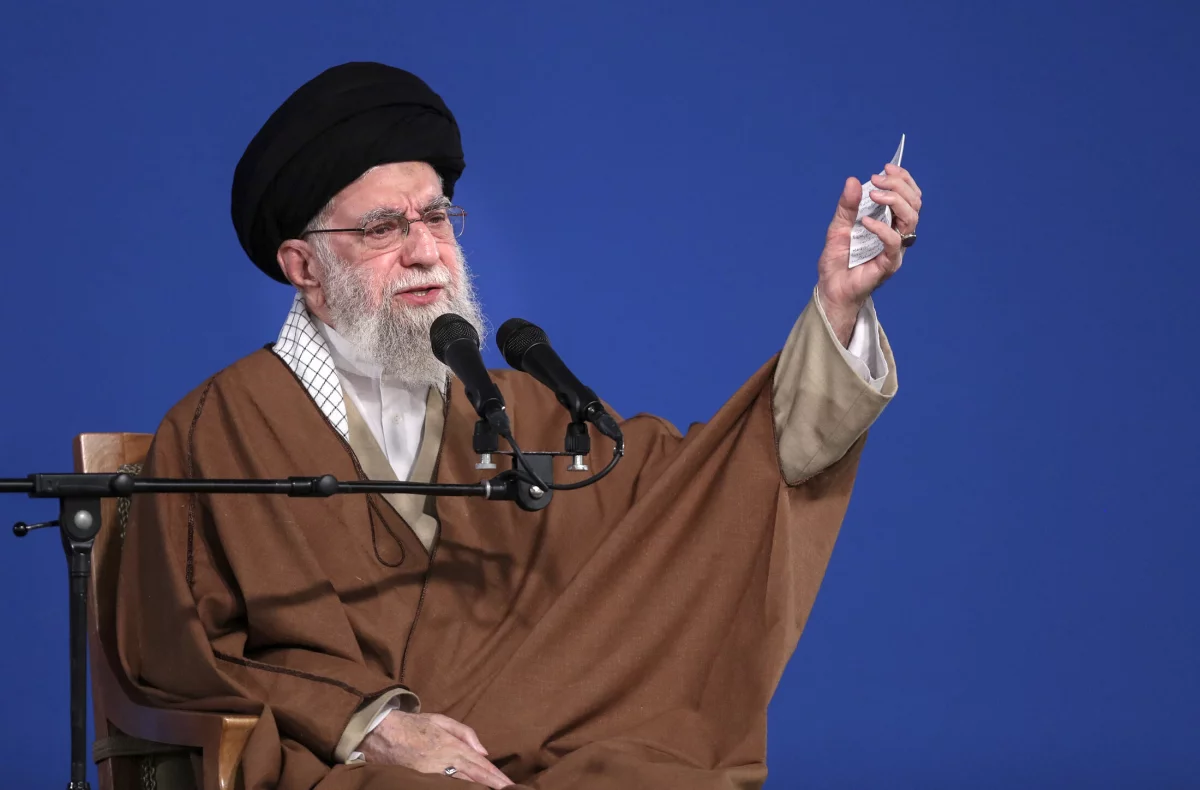
Iranian Supreme Leader Ali Khamenei (AP)
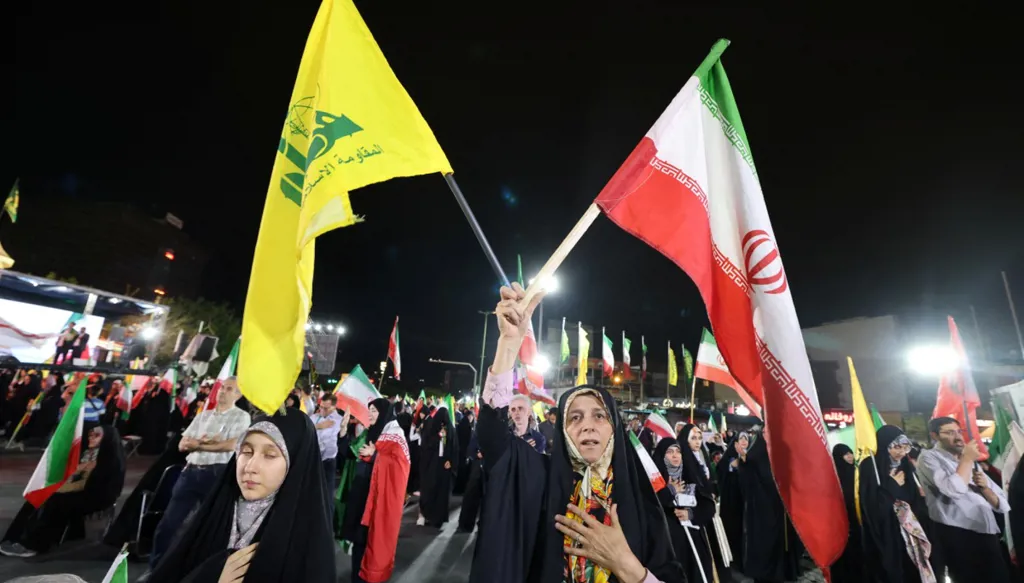
Iran's behavioral history shows that Tehran often acts ideologically rather than pragmatically. Some might point to Tehran's pragmatism in signing the nuclear deal in 2015, but that example is not entirely fitting. Iran agreed to "postpone" its nuclear program in exchange for abundant liquidity, investment promises, recognition of legitimacy, and acknowledgment of regional expansion. Obama's offer was ideal for the Iranians. What is on the table today is a veiled surrender, arising from a massive power imbalance against Tehran. However, ideological mobilization may prevent the regime from fully grasping this reality.
Perhaps the Supreme Leader sees this mobilization as a strength for Iranians against the inherent weakness in Trump's constant pursuit of "deals." But in this case, love for deals alone does not drive Trump's pressure on Tehran. There is also a history of resentment toward Iran's behavior, a sentiment as old as the regime itself. Ignoring this factor could prove costly, if not fatal.
Disclaimer: The opinions expressed by the writers are their own and do not necessarily represent the views of Annahar.
منتخب الرأس الأخضر يصنع المفاجأة في كأس العالم 2026 ويتأهل إلى دور الـ32 بعد إنهائه الدور الأول بثلاثة تعادلات مع إسبانيا وأوروغواي والسعودية... من هو هذا المنتخب؟





 مسنجر
مسنجر
 واتساب
 ثريدز
ثريدز
 بريد إلكتروني
 الطباعة