Lebanon’s political standoff: Aoun-Berri meeting, Hezbollah’s objections, and the road to Israel negotiations
Lebanon faces a delicate moment as Aoun and Berri try to ease tensions, while Hezbollah resists and Israel-U.S. pressure grows.


شارك على
 مسنجر
مسنجر
 واتساب
 ثريدز
ثريدز
 بريد إلكتروني
 الطباعة
شارك على


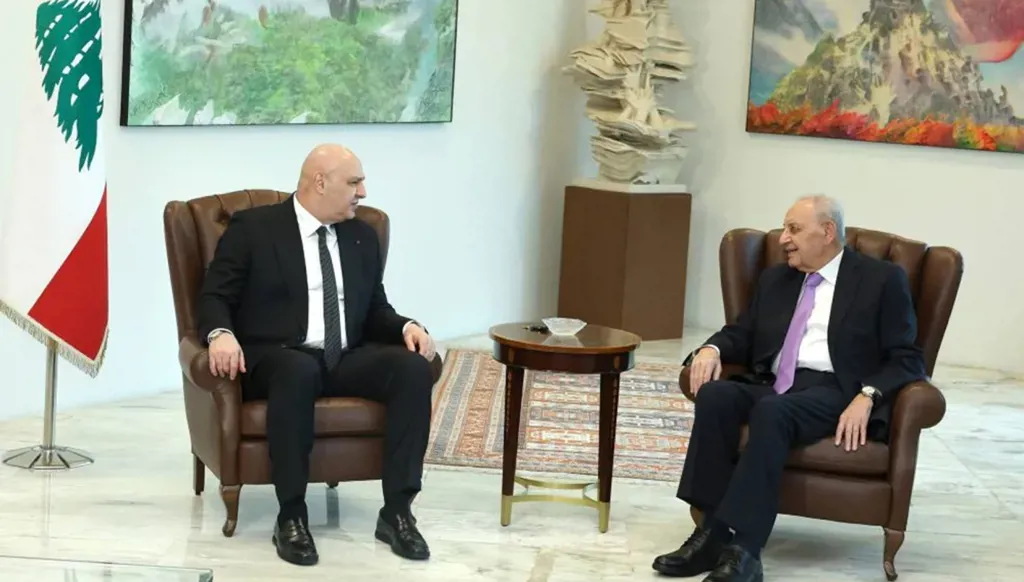


All indications following the meeting between President Joseph Aoun and Parliament Speaker Nabih Berri suggest that Berri helped ease much of the recent tension between Baabda Palace and Haret Hreik. The meeting came in response to the party’s strong reactions to statements by Aoun that it found provocative.
Amid this tense atmosphere, concerns about escalating conflicts grew. President Berri stepped in to both calm the situation and help bridge the divide.
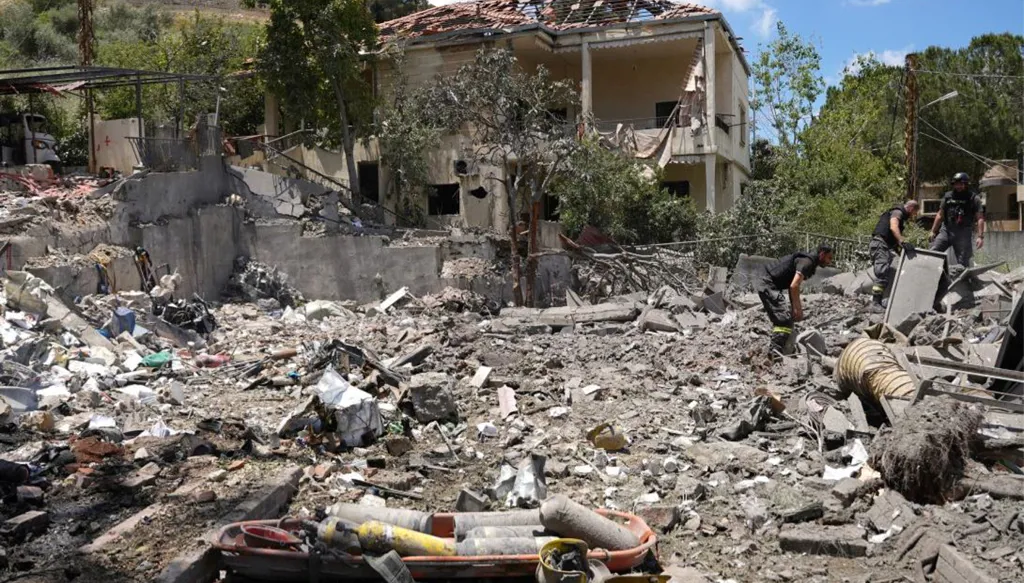
Interestingly, neither the Parliament nor the Presidency explicitly stated that this issue was addressed during the meeting. Their statements focused instead on developments in the south amid Israeli escalation and ways to support those affected by recent raids. Nevertheless, the meeting was widely seen as a timely step to ease tensions and prevent potential risks.
Observers noted that both the First Presidency and the party felt the need for a cooling-off period, recognizing that the heightened atmosphere was necessary to convey messages to both domestic and international audiences within its context. The First Presidency complained that the party refused to provide any support needed to counter the growing pressures, while the party itself had to communicate in multiple directions—signaling, among other things, that it had reached a point of exhaustion, with nothing left to offer or concede after the entire area south of the Litani River came under the army’s mandate.
As a result, a confrontation between them was widely anticipated, particularly after the army announced its readiness to move to the next phase of its disarmament operation, which includes the area between the rivers. The party had already preemptively rejected compliance, and the ceasefire agreement in effect since November 27, 2024 had expired south of the river, while the area north of the Litani remained subject to a Lebanese dialogue aimed at producing a “National Security” plan.
In light of this, the key question is whether the Aoun-Berri meeting produced a yet-undeclared settlement on this issue, and whether this resolution—or lack thereof—can reconcile the conflicting visions enough to prevent a renewed clash or similar confrontation between the parties in the coming days.
What makes this question even more pressing is the growing discussion about the imminent end of the Mechanism Committee’s role. Israel, backed by the United States, no longer considers the strategy viable and proposes replacing it with a tripartite ministerial-level negotiating committee, intended to pave the way for a security, political, and economic agreement between Lebanon and Israel, potentially bringing an end to their long-standing conflict.
Moreover, the potential for a clash of wills persists between the Lebanon's top politicians, as both face pressure from Israel, the United States, and Hezbollah, which continues to resist flexible engagement with the newly emerging rigid realities.
Although there is “good news” that recent efforts to mend the rift may soon restore communication between the parties, including an anticipated meeting between President Berri's envoy, retired Brigadier General Andre Rahal, and MP Mohammad Raad, this does not mean that the underlying causes of disagreement have disappeared. The fundamental issues will remain unresolved until the party has been persuaded to limit itself to verbal objections regarding any potential progress toward an advanced form of negotiations with Israel under its own vision and terms—similar to the objection it raised when Baabda appointed former Ambassador Simon Karam as head of the Lebanese delegation to the Mechanism Committee.
According to its sources, the party anticipated these developments and now has a comprehensive vision for the upcoming phase. While it is likely to intensify its objections, it appears to have formed an internal conviction that Lebanon cannot pursue a comprehensive and final settlement with Israel.
Disclaimer: The opinions expressed by the writers are their own and do not necessarily represent the views of Annahar.

العلامات الدالة
الأكثر قراءة