Lebanon’s military hopes rely on Paris Conference and global support


شارك على
 مسنجر
مسنجر
 واتساب
 ثريدز
ثريدز
 بريد إلكتروني
 الطباعة
شارك على




Hopes are high for the upcoming March 5 conference in support of the Lebanese Army and Internal Security Forces, provided that officials’ promises across multiple countries are turned into action and the funds pledged do not remain mere ink on paper.
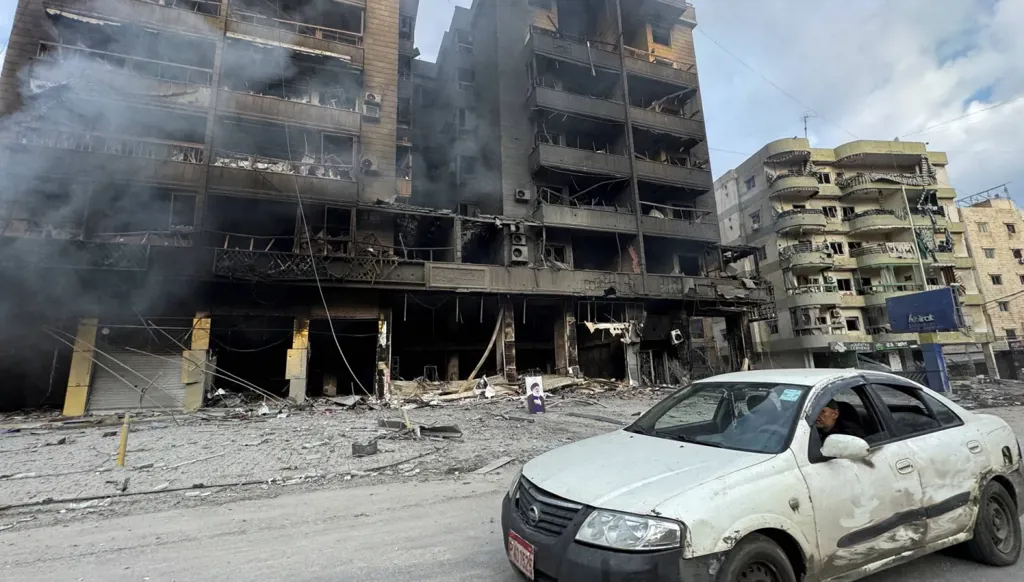
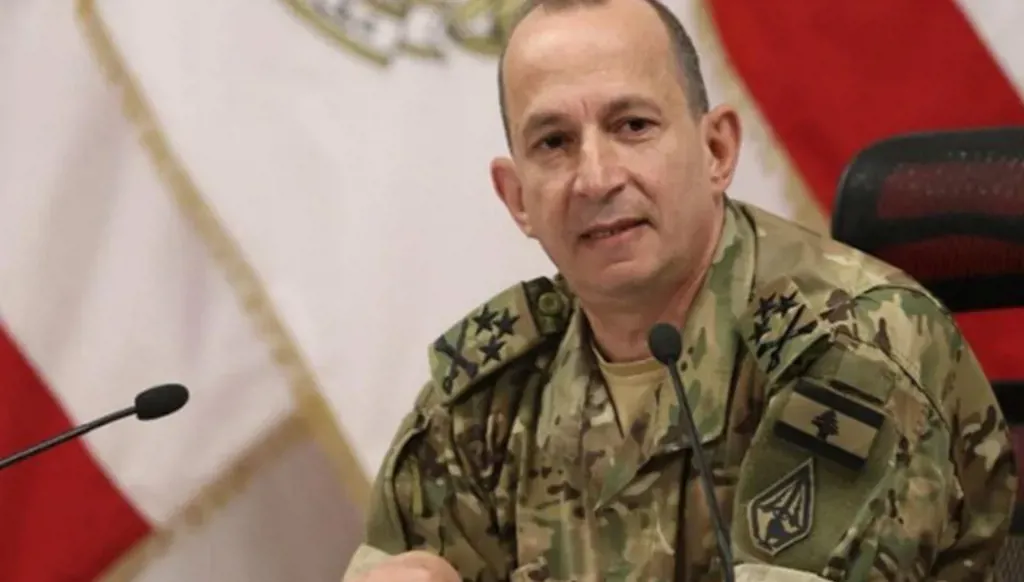
Ahead of the anticipated conference, being organized by France and Saudi Arabia, Army Commander General Rodolphe Haykal’s visit to Washington takes precedence, as the U.S. will play a key role if French President Emmanuel Macron succeeds in rallying additional countries to fund the program outlined by Lebanon’s military. On the ground, conditions—particularly in the south over the next two months—are likely to influence the conference’s tone, especially as Hezbollah continues to resist disarming north of the Litani River, adhering only to its commitments south of the river, aware that Israel has yet to fully implement the ceasefire agreement.
Diplomatic sources indicate that the success of the conference depends on the participation of several countries, particularly Qatar. Paris, through envoy Jean-Yves Le Drian, had previously sought to exclude Doha from the last conference, which was limited to France, Saudi Arabia, and the United States. As a result, rapid contacts were made to secure Qatar’s inclusion in the upcoming conference, making it one of the few countries—alongside the U.S. and Britain—that has consistently supported the Lebanese Army.
Doha does not condition its aid to the army on any political or procedural requirements, such as the disarmament of the party.
During his final stop in Beirut, Le Drian met with representatives of the “five-party” coalition, officials, and General Haykal to discuss the Paris conference and explore all avenues to ensure its success. The meeting with Haykal included a review of the army’s plan, during which one ambassador urged him to accelerate the collection of party weapons across Lebanon. Haykal responded, “The army has been operating under very difficult conditions south of the Litani and has made significant efforts, with positive cooperation from the locals. As a reminder, Mr. Ambassador, tens of thousands of people have been unable to return to their towns or work their fields due to Israel’s continued presence in the five points and other areas, and its ongoing attacks from the south to the Bekaa.”
As we await General Haykal’s return from his early February visit to Washington, it is clear that American Ambassador Michel Issa played a role in facilitating the trip. It is no secret that the army faces a series of challenges in implementing the government’s plan to collect party weapons. If the plan’s conditions are not fully met, the responsibility falls squarely on the political forces represented in the Council of Ministers, without shifting the burden onto the army. At the same time, the absence of major Israeli aggression does not mean its military operations are on “pause.”
Before considering what Haykal will report, attention is focused on what he will hear from the Americans first, given his challenging position. According to informed sources, he will be told that the army must “implement the plan on the ground,” and that failure to do so will result in no financial support.
Thus, Haykal's visit will have a series of indications for the Paris conference if it is destined for success.
Disclaimer: The opinions expressed by the writers are their own and do not necessarily represent the views of Annahar.
العلامات الدالة
الأكثر قراءة