2026: An uncertain path for the global economy
After years of inflation, tight monetary policy, and geopolitical shocks, the global economy shows signs of easing in 2026—but risks remain firmly in place.


شارك على
 مسنجر
مسنجر
 واتساب
 ثريدز
ثريدز
 بريد إلكتروني
 الطباعة
شارك على


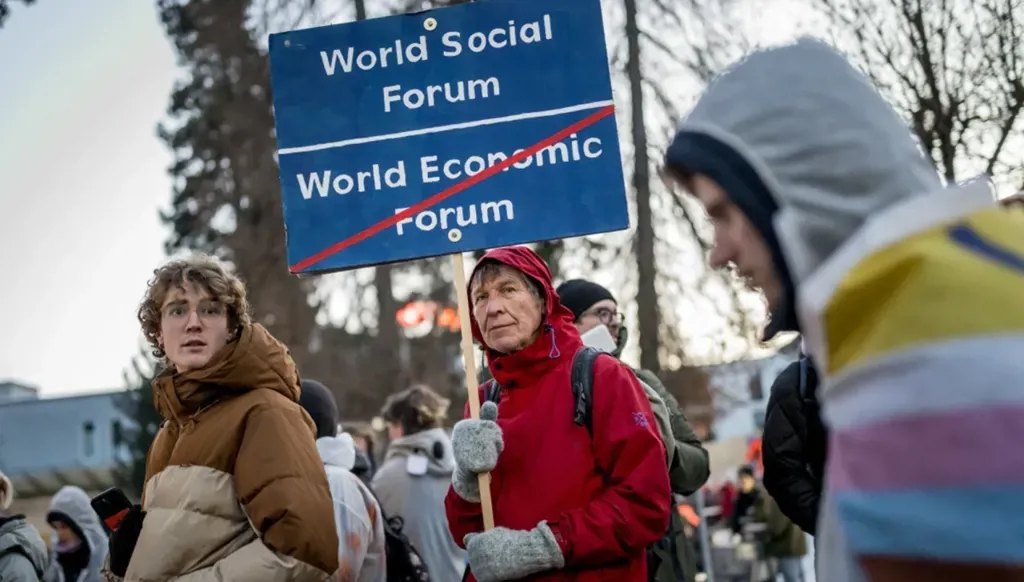


As 2026 begins, the fundamental question forcefully reemerges: has the global economy truly entered a phase of recovery, or are we merely experiencing a lull before new turbulence? After years of high inflation, tight monetary policies, and geopolitical crises, the picture today appears less tense, but it is certainly not fully reassuring.
It is clear that the global economy stands at a crossroads. Positive indicators do exist, such as a relative decline in inflation rates and improvements in some markets, yet sources of pressure remain present, making talk of a full recovery premature.
Lack of clarity
Inflation rates in 2025 declined compared with previous years, but this easing did not give central banks sufficient room to maneuver comfortably. Cutting interest rates too quickly could reignite inflationary pressures, while keeping them high for longer could limit investment and negatively affect the pace of growth.
This hesitation is understandable in light of past experiences, yet it also reflects the absence of a clear vision for the near-term path of the global economy. Decision-makers are seeking to avoid past mistakes, but the complexity of the economic landscape makes every option fraught with risk, every step carefully calculated, and any error costly at both the financial and social levels.
Political Pressures
In another context, despite growing talk of stability, global trade continues to face clear political pressures. One prominent recent example is the return of escalatory rhetoric by Donald Trump, and his threat to impose tariffs on Europe amid disputes related to Greenland and the geopolitical interests tied to it.
Even if these threats remain at the level of statements, their impact quickly appears in markets, as uncertainty rises among investors and companies. Global trade today is no longer based solely on economic foundations, but has become subject to political volatility and disputes among major powers.
The continuation of such tensions could hinder any fragile economic recovery and push the world back into an atmosphere of trade wars, which have previously proven to harm all parties without exception.
Gold and Silver
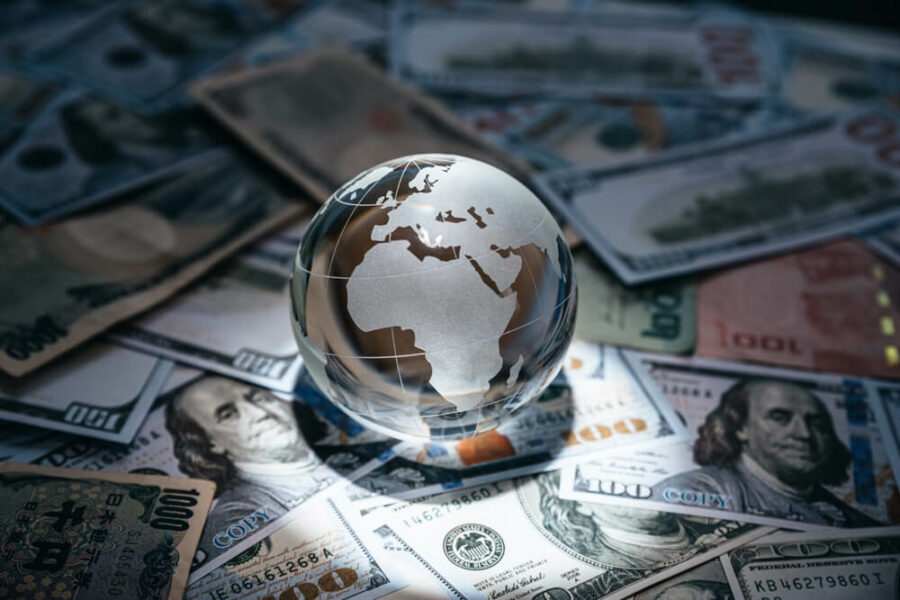
Amid this entanglement of economic and political factors and the rising state of uncertainty, gold and silver have returned to the forefront as safe havens sought by investors. With market volatility and a lack of full confidence in economic policies, many prefer to protect their assets through holdings that preserve their value over the long term.
Gold typically benefits from declining confidence in currencies and monetary policies, while silver attracts additional interest because it combines its role as an investment asset with industrial use. This trend reflects a growing belief that the current stability may be temporary, and that hedging remains a rational option in 2026.
Gold prices surpassed the 4,800 dollar per ounce threshold, reaching a new record high, as global tensions triggered another rush toward safe-haven assets. Silver also posted a record level, reaching 95.48 dollars per ounce.
Compounding Challenges
The repercussions of this turbulent landscape are not limited to major economies and global markets; they extend more sharply to developing countries, which are often the weakest link whenever global economic shifts occur.
Developing economies face an even more complex situation. Rising financing and debt costs place a growing burden on their economies, at a time when they are trying to capitalize on available opportunities and attract foreign investment.
Success along this path requires genuine economic reforms and stronger confidence in the business environment. Without these, such countries may find themselves left outside the global recovery trajectory, despite their available potential.
In conclusion, the global economy in 2026 is moving cautiously between opportunities and risks. The recovery is not yet complete, and political and trade risks remain present.
The coming phase will reward countries and companies capable of rapid adaptation and realistic decision-making in a changing economic world that tolerates few errors.

العلامات الدالة
الأكثر قراءة