From mechanism to negotiation
Hezbollah believes Israel is attempting to transform ceasefire mechanisms into direct political talks.


شارك على
 مسنجر
مسنجر
 واتساب
 ثريدز
ثريدز
 بريد إلكتروني
 الطباعة
شارك على





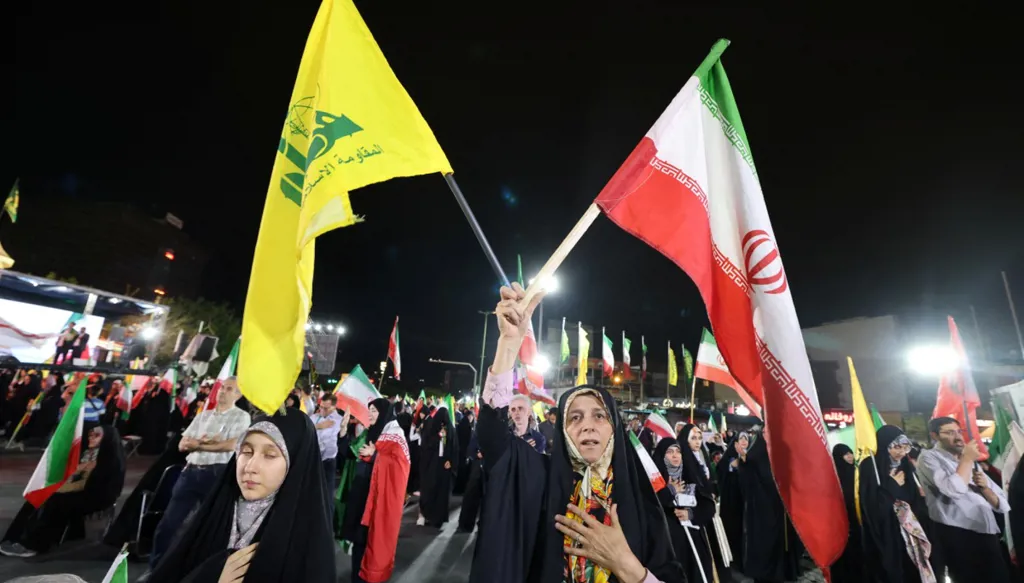
It is no longer hidden that Hezbollah fears shifts in the US–Israeli approach to the issue of southern Lebanon and weapons. This has recently appeared in the escalatory stance of its Secretary-General Sheikh Naim Qassem, through his complete rejection of any discussion of areas north of the Litani River, a security demarcation line in southern Lebanon referenced in UN resolutions, as he renewed his campaign against the President of the Republic and raised the ceiling of threats to unprecedented levels, at a time when he himself is calling for space to be given to diplomatic efforts to reach solutions.
But the clearest expression of what the party fears may have emerged more strongly in remarks by MP Ihab Hamadeh, a member of the Loyalty to the Resistance bloc, who voiced his party’s concern that Lebanon may be participating in freezing the mechanism committee in order to move to a more dangerous mechanism, without specifying what that mechanism is. He went on to reveal that the party warned the authorities a month ago, through an open letter, against moving toward direct negotiations with Israel by adding civilians to the committee, warning that engaging in direct dialogue with Israel constitutes a new sin, namely handing the country over to Israel.
In Hamadeh’s remarks, there is a clear expression of the scale of the fears that the party has begun to sense regarding the new US–Israeli approach, which is based on gradually extracting concessions from Lebanon, according to a source close to the Shiite duo (Hezbollah and the Amal Movement). This reflects a sense of alarm and caution over the possibility that Lebanon may be agreeing to this course and contributing to it by taking part in freezing the work of the committee.
Whereas the addition of a civilian member to the committee was supposed to be the maximum concession Lebanon would make to reactivate its work and push toward resuming its meetings, the US decision to suspend the committee’s activity instead came to confirm a shift toward a new track aimed at achieving progress at the level of political negotiations with Israel.
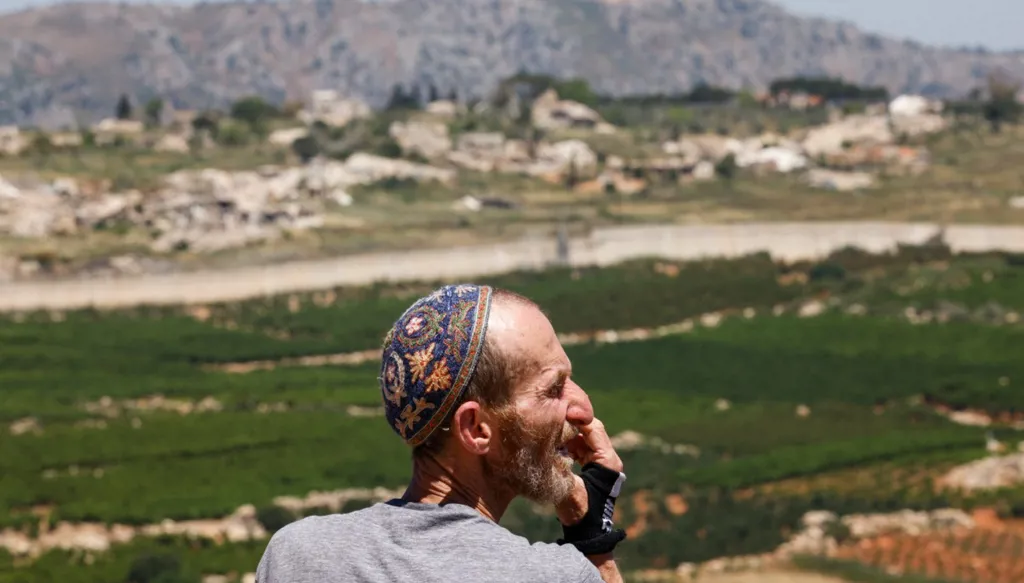
The most prominent of these indicators has been reflected in steps of gradual inducement, beginning with ending the work of the international force in the south, in a way that removes the multinational international presence and strips Lebanon of the UN umbrella that has covered southern Lebanon for decades, leaving the field open to the only two sides on either side of the border, namely the Lebanese army and the Israeli army.
This step was followed by pressure to add a civilian member to the mechanism committee, which is tasked with military duties that require verification and monitoring of violations of the ceasefire agreement, amid Israeli pressure backed by the United States to expand the committee’s mandate to include the economic dimension. This desire was stated explicitly by Israeli Prime Minister Benjamin Netanyahu, when he declared his aspiration for economic cooperation with Lebanon.
The impression that matters could gradually move in this direction was further reinforced, despite Lebanon’s official rejection of any path leading to normalization, after the President of the Republic announced Lebanon’s readiness to enter into indirect negotiations under United Nations sponsorship.
Meanwhile, US pressure is increasing, especially as time advances toward the early March conference to support the Lebanese army, and the gradual push to extract further concessions from Lebanon is intensifying, as the party maintains its position.
Disclaimer: The opinions expressed by the writers are their own and do not necessarily represent the views of Annahar

العلامات الدالة
الأكثر قراءة