Between reassurance and alarm: How serious is the Syrian spillover risk for Iraq?


شارك على
 مسنجر
مسنجر
 واتساب
 ثريدز
ثريدز
 بريد إلكتروني
 الطباعة
شارك على


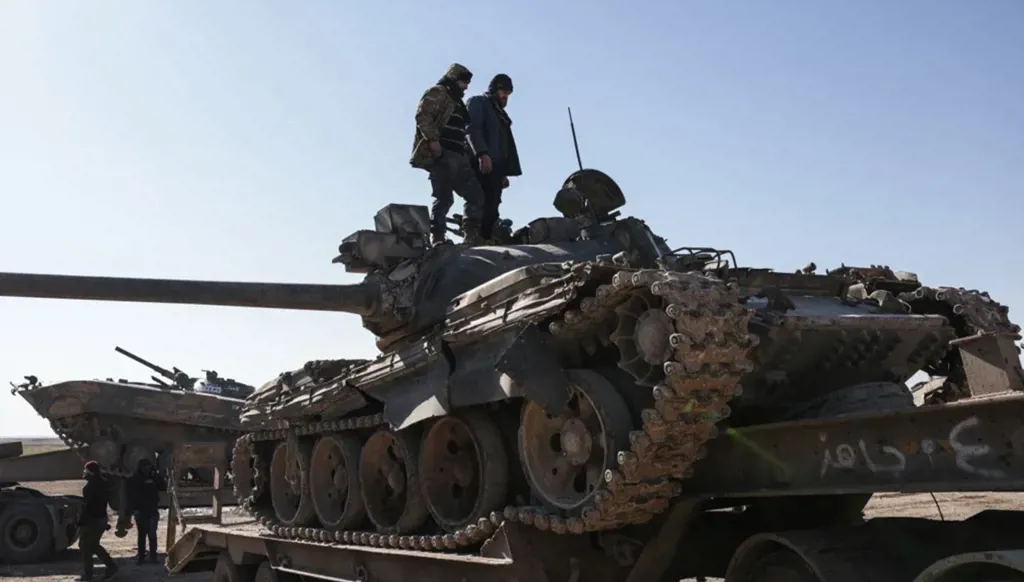


Amid escalating security and military developments in northeast Syria, particularly in the areas of Hasakah, Raqqa, and Deir ez-Zor, the Iraqi-Syrian border issue has come to the forefront of political and security attention in Baghdad. Between official Iraqi assurances of high readiness and complete ability to control the border strip, and warnings of the repercussions of Syrian chaos, opinions intersect regarding the real threat and its potential impact on Iraq.
In recent days, Iraq has bolstered its security presence along its approximately 618-kilometer border with Syria by sending reinforcements from the Border Guard forces and the Iraqi army, alongside the Popular Mobilization Forces, as part of a security plan aimed at preventing any potential breaches or infiltration by terrorist elements.
Major General Tahsin al-Khafaji, spokesperson for the Joint Operations Command, assures "Annahar" that the Iraqi-Syrian border is "fully secured," and there are "no indicators of serious threats" that could impact Iraq internally.
Khafaji states that "continuous work over more than seven years has proven the Iraqi forces' ability to protect the borders and prevent any infiltration or targeting."
He adds that "border protection is the result of an integrated effort involving the leadership of the Border Guard forces, the Iraqi army, the Peshmerga, and the Popular Mobilization Forces, within a continuous security and intelligence coordination system," noting that these forces have made significant sacrifices from various Iraqi provinces, making the return of terrorism "an emphatically unacceptable red line."
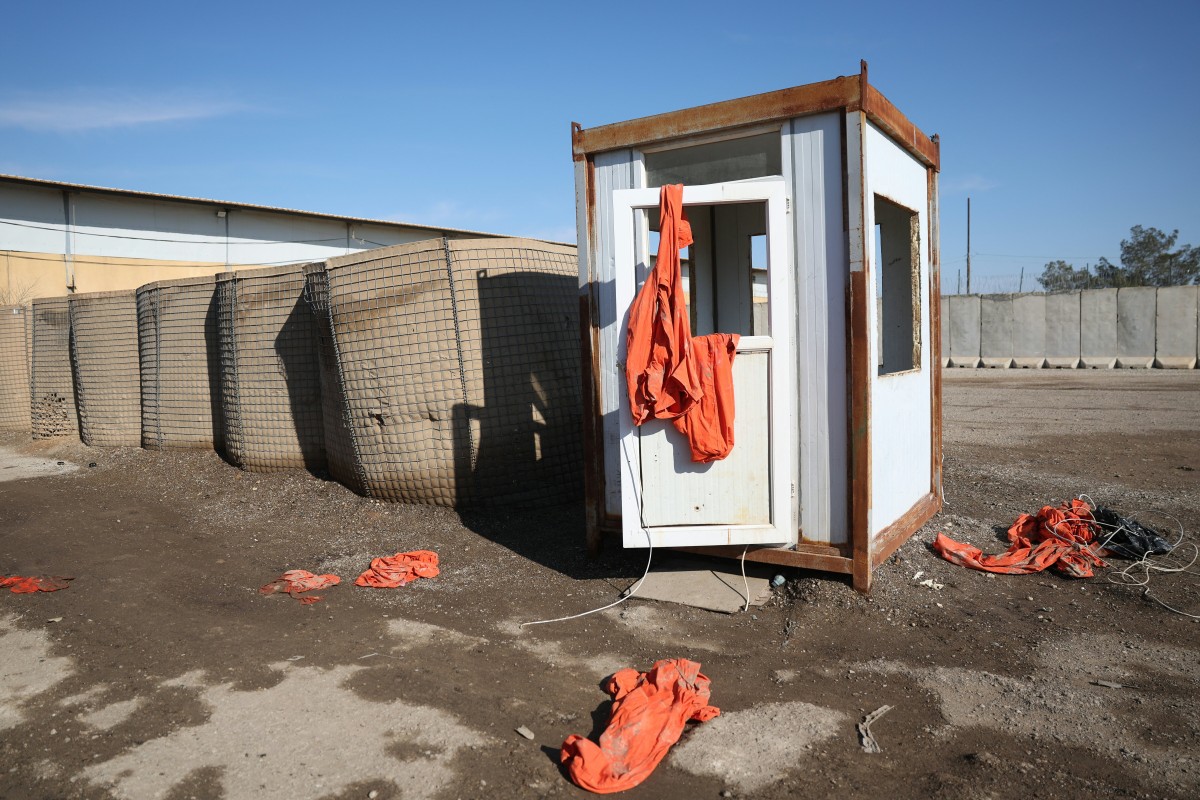
In parallel, the Syrian Ministry of Interior announced that around 120 ISIS elements escaped from Al-Shaddadi prison, previously controlled by the Syrian Democratic Forces (SDF), before Syrian army units and special forces from the Ministry of Interior entered.
This occurs amid armed confrontations in northeast Syria between the Syrian army and the SDF, extending to prisons housing members of the organization.
Qasim Muslih, commander of the Al-Anbar Operations Sector in the Popular Mobilization Forces, described the situation in Syria as "a matter planned overnight," noting that the stormed prison held about 8,000 inmates, including elements linked to ISIS, as well as foreigners, women, and children. He warned of "the political and security risks of exploiting this issue."
Deputy Secretary General of the "Ansar Allah Al-Wafaa" movement, Taher Al-Abadi, emphasizes that the Iraqi-Syrian border is "fully secured without any breaches," explaining that the border strip is protected by three defense lines, including the Border Guard forces, the army, and the Popular Mobilization Forces, in addition to electronic surveillance systems and drones, making penetration "extremely difficult."
Al-Abadi tells "Annahar" that the situation inside Syria, especially in Hasakah, Raqqa, and Deir ez-Zor, shows "clear security chaos, with complex agreements between the SDF and other parties," noting that Syrian prisons hold more than 20,000 ISIS elements, among them about 2,000 Iraqis, but they do not pose a direct threat due to Iraqi intelligence readiness.
Al-Abadi warns of "potential risks related to Al-Hol camp, where extremist foreign leaders are present."
In this context, the Iraqi government announced its readiness to repatriate all remaining Iraqi families in Al-Hol camp, amid the security instability in northeastern Syria, according to a senior Iraqi security source.
Security analyst Mukhled Hazem perceives the events in Syria as "reflecting a new equation for redrawing areas of influence under U.S. sponsorship," explaining that Syria's involvement in the international coalition against terrorism "undermined the SDF's functional role and opened the door to potential conflict scenarios between it and ISIS."
Hazem warns, in a statement to "Annahar," of security implications for Iraq if chaos expands.
The cumulative Syrian developments reflect a division of opinions within Iraqi politics; while Shia forces warn of the return of the "specter of terrorism" and call for stricter security measures, some Sunni MPs believe that the situation in Syria "does not pose a direct threat," asserting that current fortifications and Iraqi security readiness are sufficient to protect the country from any potential repercussions.

العلامات الدالة
الأكثر قراءة