Silent anxiety in Africa: Can Russia and China protect their allies?
After Assad, Maduro, and Iran found themselves without decisive Eastern backing, African leaders are reassessing geopolitical bets once seen as an escape from Western dominance.


شارك على
 مسنجر
مسنجر
 واتساب
 ثريدز
ثريدز
 بريد إلكتروني
 الطباعة
شارك على


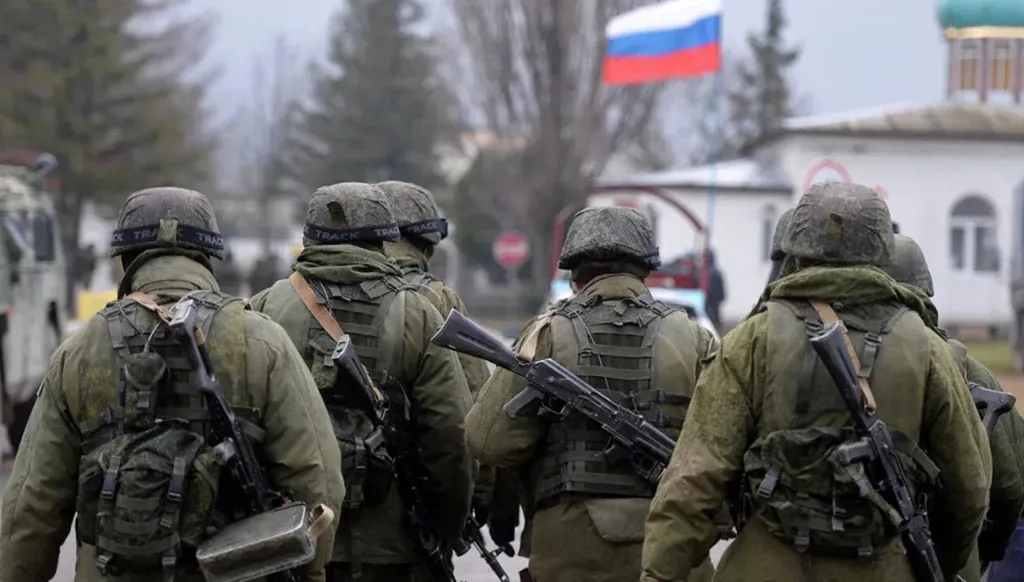


In several African countries, both in the north and the south of the continent, the recent rapid opening to Russia and China is no longer seen as a recipe for liberation from Western dominance over African states.
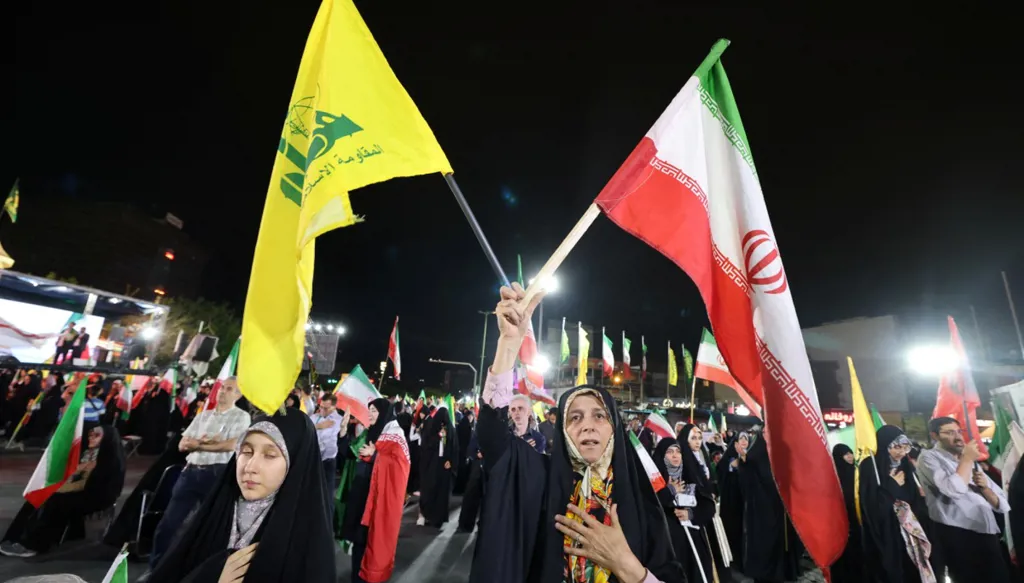
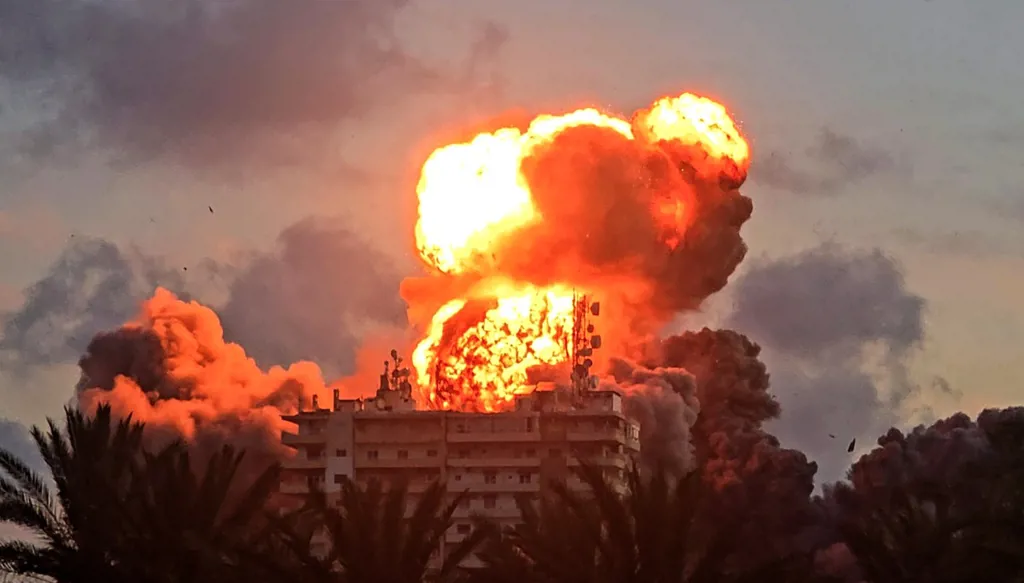
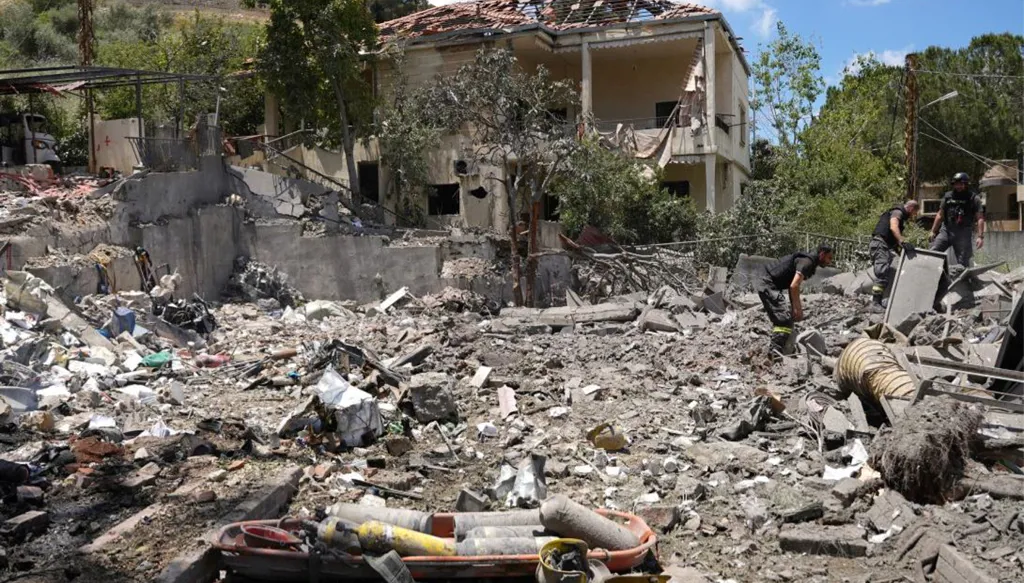
Between what happened in Syria about a year ago, what happened in Venezuela a few weeks ago, and what is happening today in Iran, observers are asking many questions about how “trustworthy” the relationship with these new allies really is.
From Assad to Maduro
There is a general feeling among many observers of African affairs that Russia and China, which form the backbone of what is known as the "Eastern Bloc", have abandoned their most prominent allies who stood up to the United States and Western dominance. About a year after the fall of Bashar al-Assad’s regime in Damascus (Assad was a key ally of Moscow in Syria), the United States succeeded in targeting Nicolás Maduro’s regime in Venezuela in a surprising operation. And just as with Assad, Russia and China remained silent regarding Maduro’s arrest, limiting themselves to a few statements of condemnation and calls for dialogue.
This raises questions in Africa about the reasons behind this silence: Is it an inability to protect their allies, or a policy driven by pragmatic calculations?
The rise of Chinese and Russian influence
In recent years, several African states, from the north of the continent to the south, saw the Eastern Bloc led by Russia and China as an alternative in the face of Western and American political and economic dominance, often framed around issues such as freedoms and human rights.
Moscow and Beijing presented themselves as a reliable alternative for several African countries, one that does not seek to interfere in their internal affairs. This helped expand and strengthen relations, especially through joint economic summits and major projects spread across most of the region.
Observers warn that relations with Moscow and Beijing could turn into temporary bargaining chips that do not provide real protection during major crises. And while China’s presence stands out mainly in the economic partnership domain, analysts argue that the absence of an integrated Russian vision in the Sahel region (the belt of countries south of the Sahara) makes Moscow’s influence fragile and tied to shifting political and security conditions.
In North Africa, particularly in Tunisia and Algeria, the concerns appear more complex, where a deep economic crisis intersects with sensitive political choices. There is a silent anxiety within political circles when looking at the experiences of states that relied on Eastern support without achieving lasting stability.
In several African countries, both in the north and the south of the continent, the recent rapid opening to Russia and China is no longer seen as a recipe for liberation from Western dominance over African states.
Between what happened in Syria about a year ago, what happened in Venezuela a few weeks ago, and what is happening today in Iran, observers are asking many questions about how “trustworthy” the relationship with these new allies really is.
Lessons from Damascus, Caracas, and Tehran
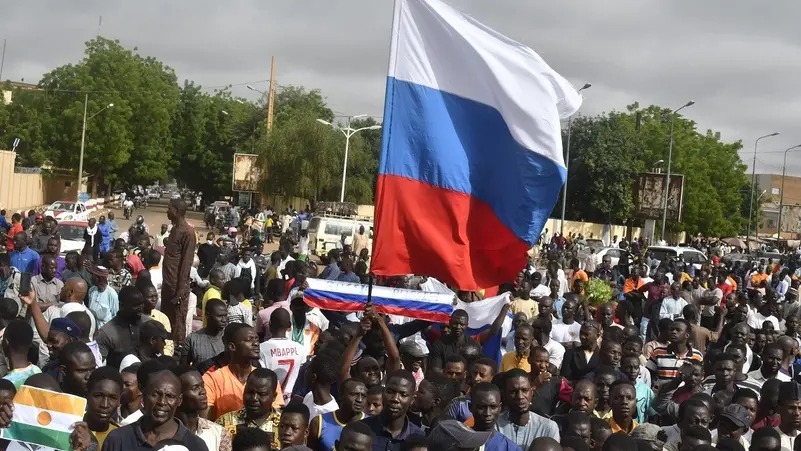
Tunisian writer Asia Al-Atrous told Annahar that the most widely discussed question since the return of U.S. threat rhetoric concerns the absence of a strong and clear stance from Russia and China - something that was evident in the Venezuelan scene when Maduro was abducted while the Chinese special envoy was visiting Venezuela.
Al-Atrous believes that the Russian and Chinese positions in the Venezuelan case, and now in Iran, have been marked by “caution and restraint, and an unwillingness to take risks that could expose the authorities of both countries - both members of the UN Security Council - to U.S. or European sanctions.”
She notes that the same applied to the Assad regime, despite Russia’s extensive interests in Syria.
She also points out that Iran, despite participating in military drills with China and Russia and joining BRICS and the Shanghai Cooperation Organization, did not receive Chinese or Russian support during the current events, as was the case last summer. She stresses that China will not intervene seriously unless U.S. involvement expands in Taiwan, saying: “China would not remain idle then.”
Al-Atrous considers that the situation is complex and open to many scenarios, and that “it is clear that neither Russia nor China will intervene directly in any confrontation, which strips them of their role as strategic guarantors for their allies, including African states.”
Pragmatic calculations
Dmitry Bridzhe, Director of the Russian Studies Unit at the Arab-Eurasian Research Center, told Annahar that the fall of Assad’s regime and then the arrest of Maduro “revealed the limits of Russian power” and showed that Moscow’s alliances “are based on pragmatic calculations and are not a guarantee of unconditional support.”
He added: “In Africa, where some regimes rely on the Russian presence, these two events sent a clear message: Moscow will not enter into a direct confrontation with the United States to protect its distant allies.”
Bridzhe points out that this has pushed many African capitals to diversify their security and economic partnerships in search of a balance between major powers. He adds that “promoting the theory that Moscow is unable to protect its allies weakens its relations with countries such as Mali, Burkina Faso, and Niger, which are watching the situation with concern.”
He notes that Russia did provide support to Assad’s regime, but as it shifted its focus to other fronts, the regime could not withstand due to its fragility. Meanwhile, Moscow is trying to give a good impression with its stance after the fall of Assad, especially since it has important military bases in Syria, such as the Hmeimim Air Base, which represents its strategic bridge toward Africa.

العلامات الدالة
الأكثر قراءة