Iran’s turning point: The uprising that could redraw the Middle East

Opinion 15-01-2026 | 16:15

Iran’s turning point: The uprising that could redraw the Middle East

Iran is at a historic crossroads. Mass protests challenge theocratic rule amid economic and social pressures. The coming weeks could reshape the nation, and the region, for years to come.
Iran’s turning point: The uprising that could redraw the Middle East
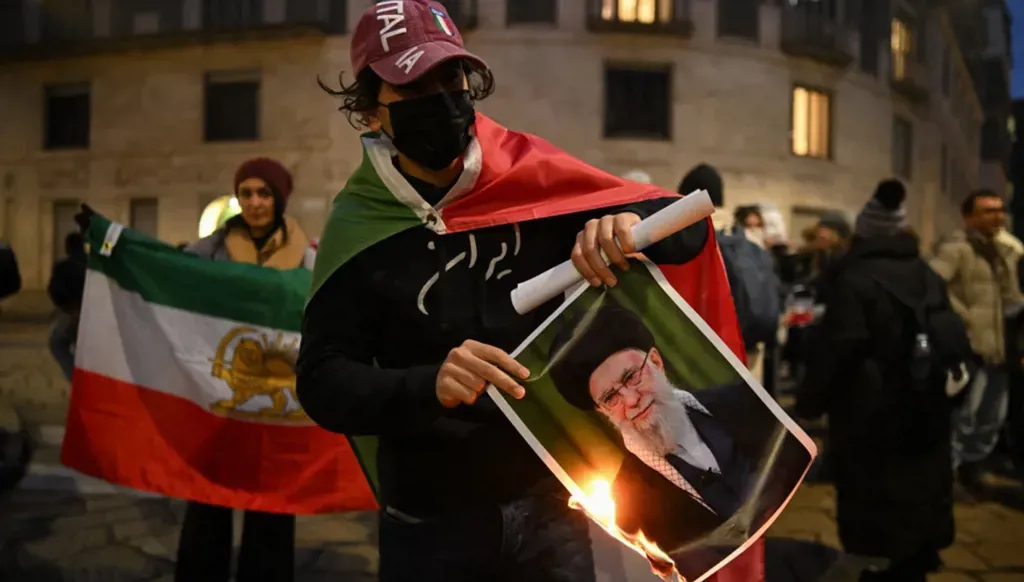
Burning of images of the Iranian Supreme Leader. (AFP)
Smaller Bigger

Since the Islamic Revolution of 1979, Iran has not experienced a protest movement of comparable depth and scope. From Tehran to Shiraz, the streets echo with chants calling for the regime’s downfall, as the mullahs’ rule confronts its most severe threat to survival amid intensifying, interconnected economic, political, and social crises that risk erupting into a full-scale upheaval.


The protests were sparked on December 28, 2025, in Tehran’s commercial markets, where traders poured into the streets in anger over the collapse of the national currency and the sweeping surge in prices. Within days, these initially limited demonstrations evolved into a massive popular uprising spanning 180 cities, with 512 protest centers across 24 of Iran’s 31 provinces, according to statistics from HRANA, the Human Rights Activists News Agency.


A break from taboos (AFP)

 

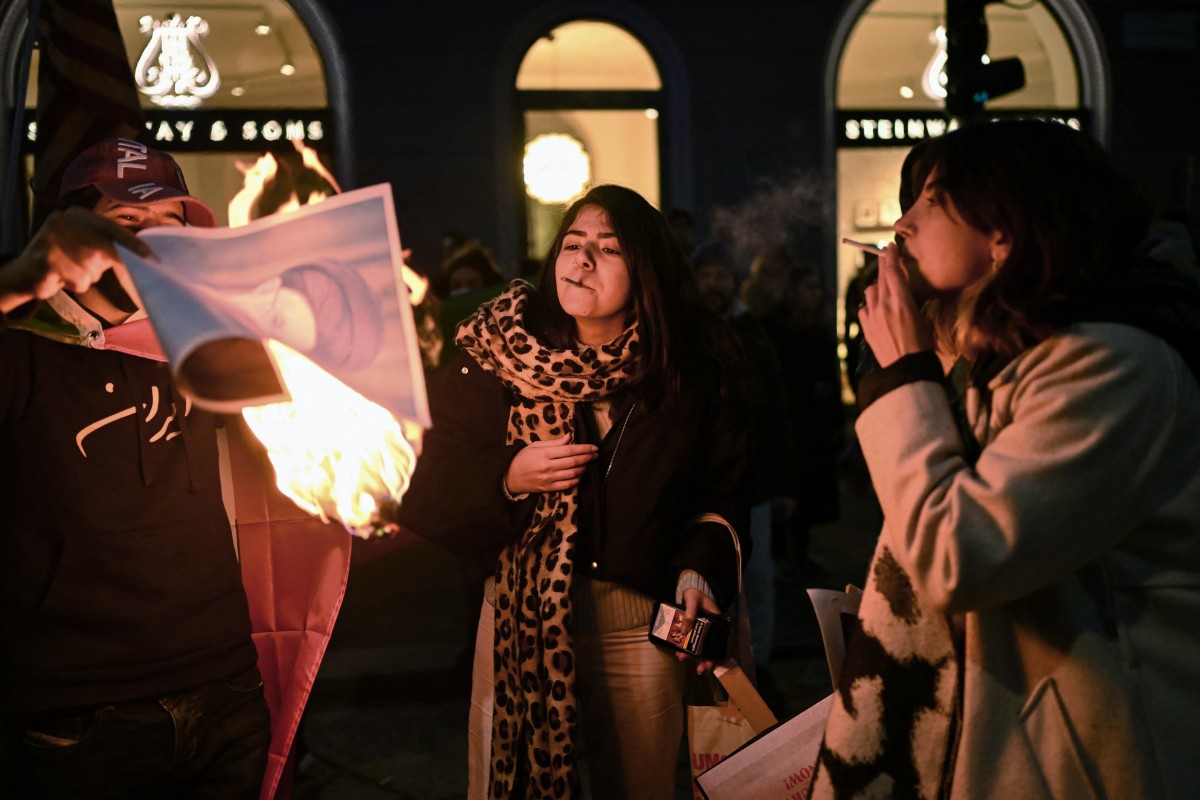
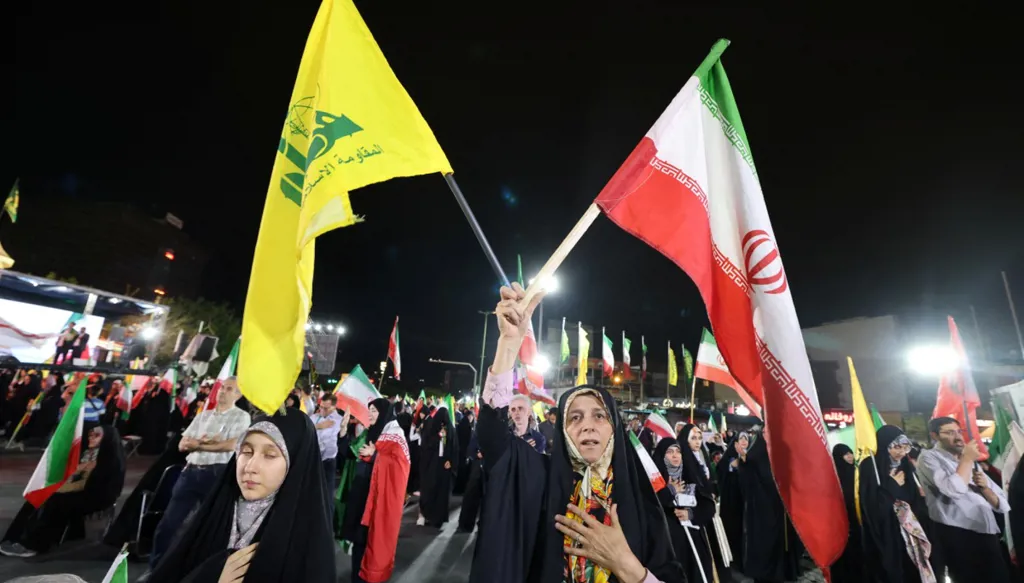
All taboos have been shattered. In the streets, protesters openly chant “Death to Khamenei,” set fire to images of the Supreme Leader and buildings of the Revolutionary Guard, and even go so far as to name streets after former U.S. President Trump. Most strikingly, the wave of anger has swept through even religious cities such as Qom and Mashhad, the regime’s traditional strongholds.


The most dangerous shift lies in the nature of the demands. The discourse is no longer about reforming the system or improving its performance, but about a total rejection of the principle of Wilayat al-Faqih as the foundation of governance. An entire generation of Iranian youth, who make up more than half of the population, has lost faith in the religious legitimacy of the ruling authority.


Four crises fueling the major explosion

The economic catastrophe

An unprecedented economic collapse, reflected in inflation reaching 42.2% in December 2025, with projections that it will exceed 40% throughout 2026, according to the International Monetary Fund. The national currency has lost more than 90% of its value since 2018, falling to 1.47 million rials per U.S. dollar in early 2026. Half of Iran’s population survives on less than 2,100 calories per day, while more than one-third lives below the poverty line. Youth unemployment rates approach 25%, and food prices have risen by more than 70%.


The crisis of ideological legitimacy

An irreversible erosion of the regime’s credibility. An entire generation of Iranians, representing more than half of society, no longer believes in Wilayat al-Faqih. The ruling religious establishment has lost its authority after decades of political exploitation and corruption.


The political deadlock

A complete closure of any horizon for change. The Guardian Council blocks any serious attempt at reform, while parliament is little more than a hollow democratic façade. Most dangerous of all is the potential power vacuum as the health of 86-year-old Khamenei deteriorates, with rival factions of the regime battling over succession in the absence of a clear consensus on a successor.


The social crisis

Protesters have raised the slogan, “Neither Gaza nor Lebanon, my life for Iran,” rejecting the squandering of the nation’s wealth on foreign ventures while they struggle to secure basic necessities. Women’s rights and public freedoms have become symbols of resistance against widespread repression.


Washington signals the use of force

U.S. President Donald Trump has escalated his threats toward Tehran to an unprecedented level since the outbreak of the protests. In a post on the “Truth Social” platform on December 2, he wrote: "If Iran shots and violently kills peaceful protesters, which is their custom, the United States of America will come to their rescue." The Washington Post reported that the Trump administration is examining military options in response to the Iranian crackdown, including strikes on civilian targets in Tehran linked to internal repression apparatuses.


Tehran responded with sharp counterthreats. Ali Larijani, Secretary of the Supreme National Security Council, warned that U.S. intervention would lead to “comprehensive regional chaos.” Parliamentary Speaker Mohammad Bagher Ghalibaf declared that “all U.S. bases and forces in the region would become legitimate targets in response to any aggression.”


Uneven balance of power

العلامات الدالة

الأكثر قراءة

العالم العربي 4/2/2026 12:41:00 AM
عشرات طائرات "A-10 Thunderbolt II" في طريقها إلى الشرق الأوسط… "Warthog" تعود إلى الواجهة
ايران 4/2/2026 3:29:00 PM
يُوصف الجسر بأنه "أطول جسر في الشرق الأوسط" وأحد أكثر الجسور تعقيداً من الناحية الهندسية في المنطقة.
اسرائيليات 4/2/2026 6:02:00 PM
ظاهرة لافتة في تل أبيب تمثّلت في تحليق كثيف لأسراب الغربان، بالتزامن مع استمرار الحرب والهجمات الصاروخية