Iran on the brink: Will 2026 mark the end of the Islamic Republic?


شارك على
 مسنجر
مسنجر
 واتساب
 ثريدز
ثريدز
 بريد إلكتروني
 الطباعة
شارك على


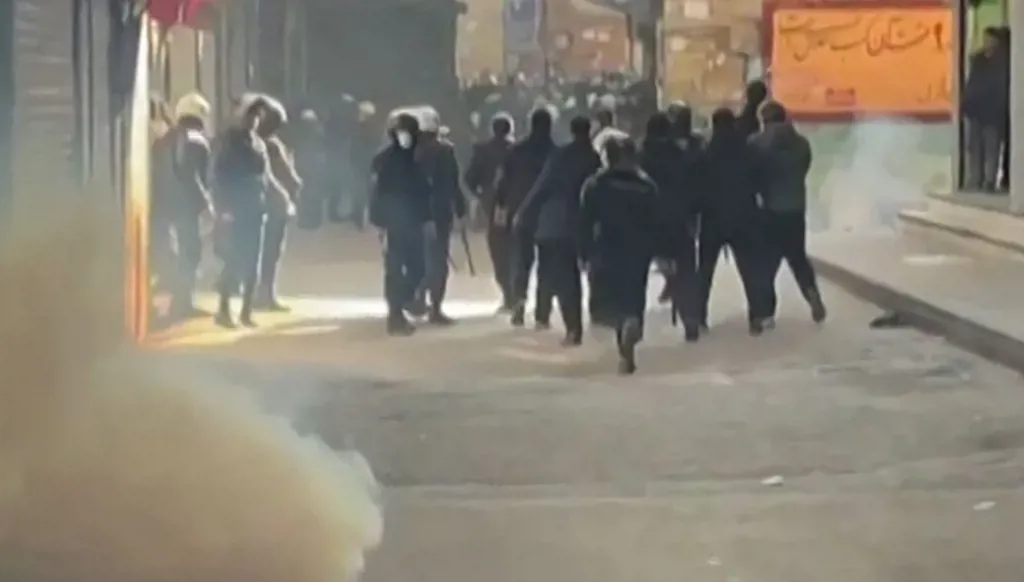


Is 2026 set to be the pivotal year that marks the end of the chapter for the Islamic Republic of Iran, established in 1979?
All signs at the start of 2026 point to a path of profound change in Iran that began several years ago. Some trace it back to 2019, while others highlight the women’s uprising in 2022—widely regarded by observers as a movement that shook the foundations of the Iranian regime and exposed a deep rift between large segments of the population and the state, particularly along social and cultural lines.
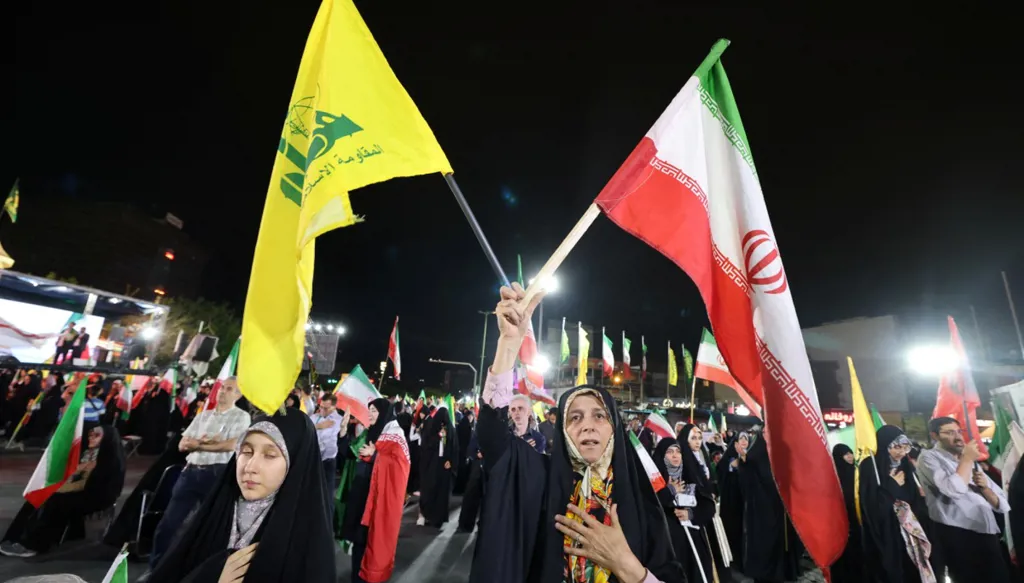
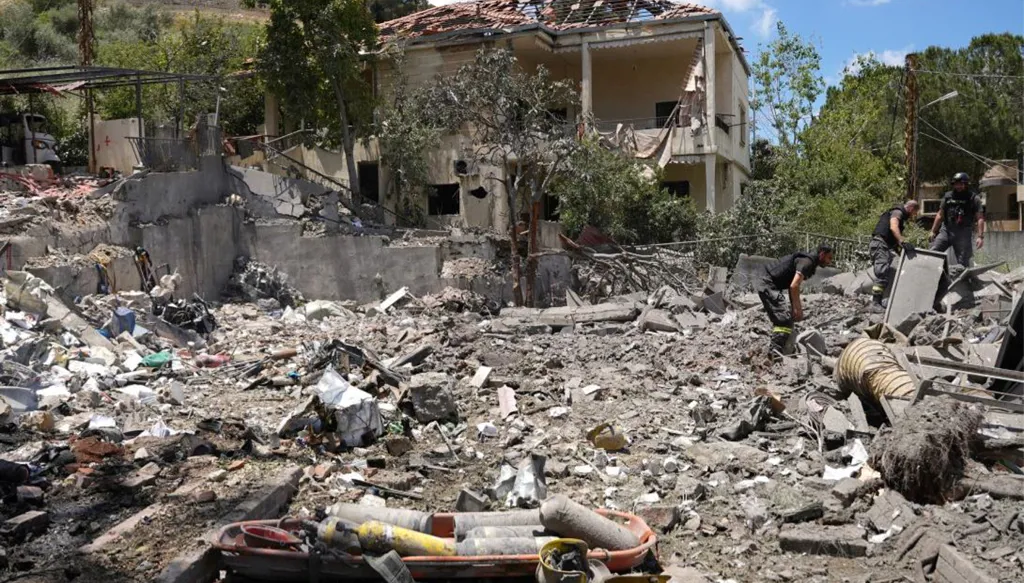
Despite the regime's overwhelming use of force to suppress the uprising, it could not escape the fallout. By 2023, the regime became entangled in an indirect war with Israel, which culminated in a direct Israeli military response on Iranian soil in mid-2025. This confrontation severely undermined the regime’s prestige, coming on the heels of the collapse of the Syrian front with the fall of the Assad regime and the disintegration of one of Iran’s most prominent regional allies, Hezbollah, in its confrontations with Israel. The ongoing unraveling was further fueled by mounting financial and economic crises and successive waves of popular protests—often explicitly directed not just against government policies, but against the autocratic nature of the regime itself.
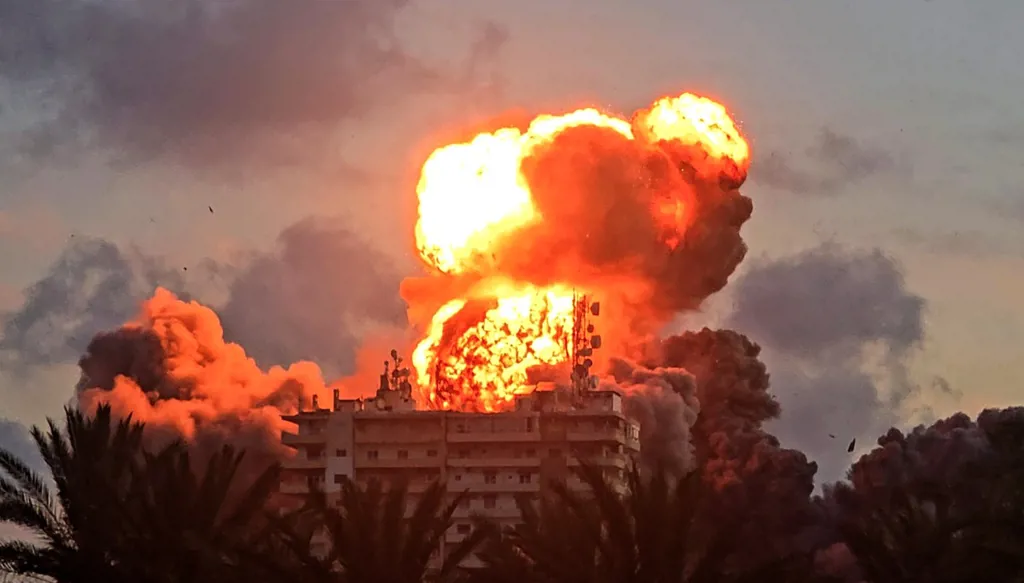
To recall, Tehran endured an "air occupation" by Israeli fighters for twelve days, followed by strategic strikes from American bombers on key Iranian nuclear facilities—shattering the regime’s carefully cultivated image of invincibility. Suddenly, all of the regime’s accumulated failures weighed heavily on its shoulders: the women’s uprising had already marked a historic challenge to its foundations, and the twelve-day war irreversibly damaged its prestige, stripping away its ability to get back up and act as if nothing had happened.
With Tehran reaching this difficult phase in the history of the Islamic Republic, the possibility of saving the regime as a whole has become extremely slim. The issue is not only about the military threats Iran might face in the foreseeable future—should the United States and Israel decide to launch a second major strike under the pretext of preventing Iranian authorities from continuing to kill protesters, who initially took to the streets over the collapse of the national currency but later expanded their demands to ‘change the regime.’ The challenge also reflects a revolutionary sentiment against everything Iran has represented since 1979: its principles, governance style, and its cultural, social, economic, and political choices.
We are therefore standing on the brink of a major earthquake that will strike the Iranian government from within. There is no longer any entity or authority in Iran capable of delivering the final word in the country. Supreme Leader Ali Khamenei is in the later stages of his life, and observers closely following developments within Iran agree that he has lost the ability to control a street that is angry at everything.
In the past, the leader could calm the street with a Friday sermon. Today, he is almost absent from the consciousness of the overwhelming majority of citizens, who are revolting more against the regime’s ideology and culture than its policies. As a result, Iran’s current options all appear difficult—after losing a direct confrontation with Israel followed by the United States, and after losing a crucial part of its nuclear program, which had served as a national rallying point and a tool through which the regime maintained public consensus. Perhaps most crucial was the deadly error the regime made in confronting ‘half of Iranian society’—its women—and, by extension, the sanctity of people’s homes. The killing of young Mahsa Amini became that defining moment which, in our view, irreversibly broke the regime’s backbone. The later collapse under the Israeli-American offensive marked the beginning of its rapid decline and a path toward eventual ruin."
Today, Iran stands before a closed wall, a reality expressed in his own way by President Masoud Bezhkian, who refuses to hide the harsh truths confronting both the people and the state. Unlike the senior pillars of the regime, he openly exposes Iranian society to the profound difficulties facing the country on a daily basis.
Does this mean the regime has ended? Not yet—it hasn’t fully fallen, but in many ways, it has already lost its lifeblood. It may fight fiercely to stay afloat, yet in reality, it has slipped from the consciousness of large segments of the population. One telling sign of its decline is that protesters have grown bolder, confronting one of the most formidable totalitarian security apparatuses on earth with increasing courage and defiance.
Disclaimer: The opinions expressed by the writers are their own and do not necessarily represent the views of Annahar.

العلامات الدالة
الأكثر قراءة