

Lebanon’s diplomatic reset: Behind the delays of envoys and the push for real reform


 Messenger
 Whatsapp
 Threads
 Email
Email
 Print
Print
 X
X
 Facebook
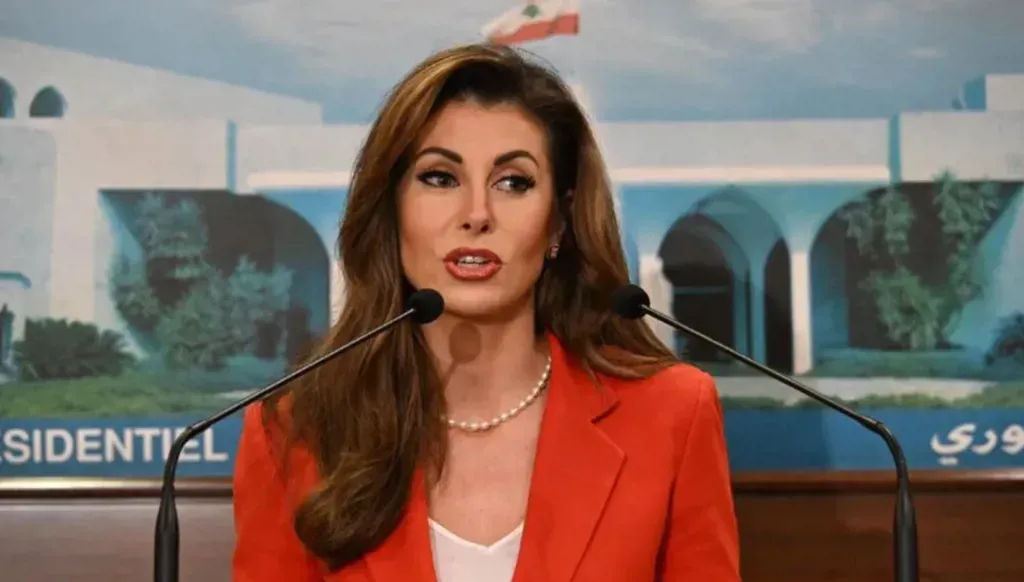


In recent weeks, Beirut has seen a flurry of diplomatic activity from envoys representing key regional and international powers. Yet, despite this surge, none of the visits have been formally scheduled or publicly announced with specific timing since the start of the new year. This has fueled speculation about the reasons behind the delay and whether it signals a broader political message tied to unfolding developments in Lebanon and the wider region.
On the American front, U.S. Special Envoy to Lebanon and Israel Morgan Ortagus was expected to visit Beirut to engage with the Hostility Cessation Monitoring Committee, known as the “Mechanism,” and hold parallel political meetings. However, the visit has been postponed, suggesting it is tied to broader international considerations and on-the-ground developments that require further coordination before a final date can be set.
French envoy Jean-Yves Le Drian’s visits to Beirut have taken on particular significance, focusing on supporting Lebanon’s military institutions, advancing reconstruction, and promoting international initiatives for the country. Recent reports indicate that some of his planned visits were postponed due to personal reasons, following the death of his sister, as well as a French preference to coordinate his trip with the movements of other Arab and Western envoys, especially from Saudi Arabia. This approach reflects Paris’s intent to consolidate international efforts on Lebanon before officially announcing dates for the army support conference.
Information also suggests that the recent postponement of both Le Drian’s visit and that of a Saudi-American delegation is linked to the current phase of the “Mechanism” Committee meetings, which are currently limited to a technical military level for a defined period. Paris, however, preferred that its visit occur within a broader context, encompassing political and civilian dimensions. As a result, the trips were delayed until the overall picture of the upcoming meetings becomes clearer.
Conversely, Qatar has played an active but discreet role behind the scenes, mediating with Lebanese parties—particularly Hezbollah and certain political leaders—away from public attention. According to sources, this effort is part of a broader Qatari strategy to establish a foundation of internal consensus and create favorable conditions before moving to the stage of official, public visits.
These developments indicate that the apparent delays in envoy visits are not merely incidental but form part of a carefully calibrated diplomatic reset during a highly sensitive period for Lebanon and the region. The timing of these visits is increasingly tied to concrete developments, particularly the implementation of international agreements and the reactivation of the state’s role in enforcing them—most notably regarding the cessation of hostilities and the containment of arms within frameworks considered by the international community as essential for stability.
In this context, the political significance of the delayed visits goes beyond their timing. It reflects a broader strategy adopted by international powers, aimed at preparing internal political and security conditions before taking public steps. Such caution ensures that any visible actions are not perceived as a façade for an incomplete process, or as public pressure that could destabilize delicate political and security balances.
Ultimately, Lebanon’s significance on the international agenda remains undiminished, but the focus has shifted. It is no longer merely a matter of political settlements; it is now about demonstrating seriousness in implementation. There is a fundamental difference between the two: settlements produce promises, while seriousness yields tangible outcomes.
Disclaimer: The opinions expressed by the writers are their own and do not necessarily represent the views of Annahar.