Lebanon faces critical phase: Hezbollah, Israeli pressure, and the risk of war


شارك على
 مسنجر
مسنجر
 واتساب
 ثريدز
ثريدز
 بريد إلكتروني
 الطباعة
شارك على


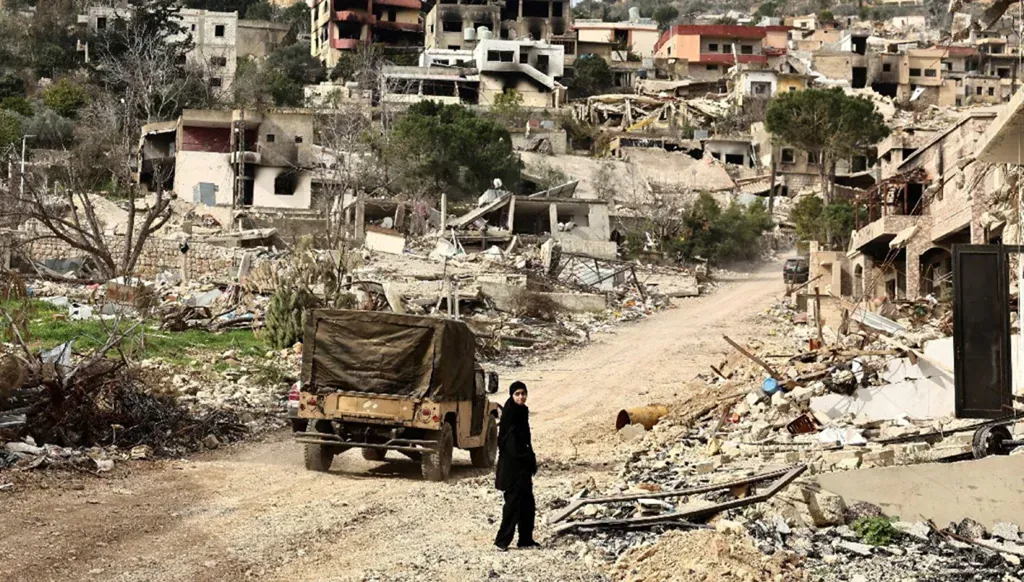


Attention is on South Litani as observers await the Lebanese army’s expected announcement of the completion of the first phase of the disarmament plan, alongside the Mechanism committee’s meeting to chart the negotiation path between Lebanon and Israel. The army’s report will be pivotal for the second phase of the plan, influencing both the Americans, who insist on completing the southern Litani by mid-next month, and observers tracking Hezbollah’s position on the northern Litani phase, as well as Israel’s response, which continues to threaten the prospect of war. Meanwhile, Lebanon and the region await the outcome of the meeting between U.S. President Donald Trump and Israeli Prime Minister Benjamin Netanyahu on Gaza and Syria, and its implications for Lebanon, particularly regarding Hezbollah and the Iranian dossier.
While the state continues communications with the Americans—particularly to prevent an Israeli war by highlighting progress in the disarmament plan and its transition north of the river—the army is preparing to release its fourth report on the first phase, which is expected to focus on achievements in South Litani. According to diplomatic sources, this will be accompanied by a political statement from the state to the parties represented in the mechanism, affirming that Lebanon has completed its mission south of the river as outlined in the cease-fire agreement. The statement will highlight Lebanon’s fulfillment of one of the terms of the American-imposed deadline and call for pressure on Israel to begin withdrawing from occupied positions. Sources indicate that the state will affirm its commitment, together with the army, to follow all directives of the Mechanism, including entering private properties and homes that have been reported—similar to previous operations in Yanouh, Beit Yahoun, Beit Lif, Bint Jbeil, and Ainata.
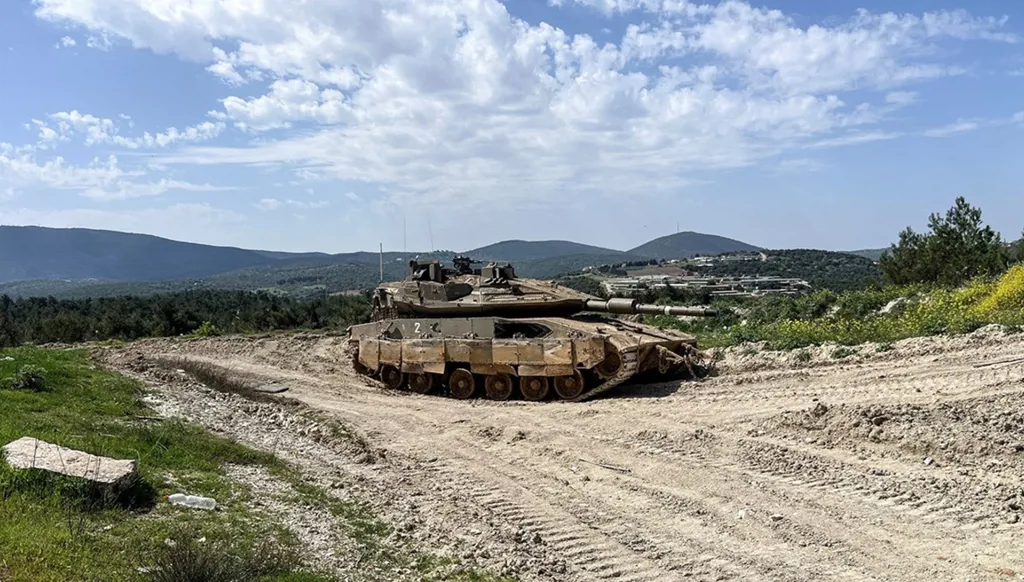
Securing the area south of the river is a crucial step for withdrawal negotiations, as the region spans over 20 kilometers from the border. Meanwhile, the area north of the river near the border focuses on the Nabatieh region, extending toward West Bekaa. Discussions regarding the north are expected to be delicate and complex under intense international pressure, as Israel maintains that the Lebanese army has not fully completed its mission south of the Litani. Israel also cites the presence of tunnels and weapon caches reportedly untouched by the army, signaling that the risk of war remains under its conditions, which separate its security operations from the Mechanism’s negotiations.
The state stresses a policy of containment in the north, meaning gradual disarmament. However, this is tied to an American-imposed deadline, reinforced by an army support conference. Without progress in the north, the risk of war looms, especially as Netanyahu seeks to persuade Trump to authorize Israel to expand operations southward. The northern mission could also take time, as Hezbollah rejects the plan, insisting that the cease-fire agreement should extend from south of the Litani to the borders. This puts pressure on the state, which is working to remove pretexts that Israel could use to justify war and further destabilize Lebanon.
Hezbollah’s pressure places the state in a dilemma as it transitions to the second phase, accusing it of making concessions while asserting its refusal to surrender arms, aiming to maintain a defense strategy aligned with its interests. As the state seeks to negotiate the northern phase with the party, it faces multiple complications: proposing gradual containment of arms while demonstrating to the international community that the disarmament plan is serious and progressing under Lebanese terms. At the same time, the process is contingent on Israel taking reciprocal withdrawal steps.
As the decisive phase begins with the new year, Israel continues its aggressive operations against Hezbollah, separating negotiation channels from the American opportunity for Lebanon to meet its conditions. Meanwhile, a potential Israeli security agreement with Syria could increase pressure on Lebanon, including tightening the blockade, to hasten disarmament. If Israel perceives delays, it could launch a military operation against Hezbollah, placing Lebanon in a precarious position it may not be able to withstand.
Disclaimer: The opinions expressed by the writers are their own and do not necessarily represent the views of Annahar.
العلامات الدالة
الأكثر قراءة