The safe haven shines: Why gold and silver keep rising


شارك على
 مسنجر
مسنجر
 واتساب
 ثريدز
ثريدز
 بريد إلكتروني
 الطباعة
شارك على


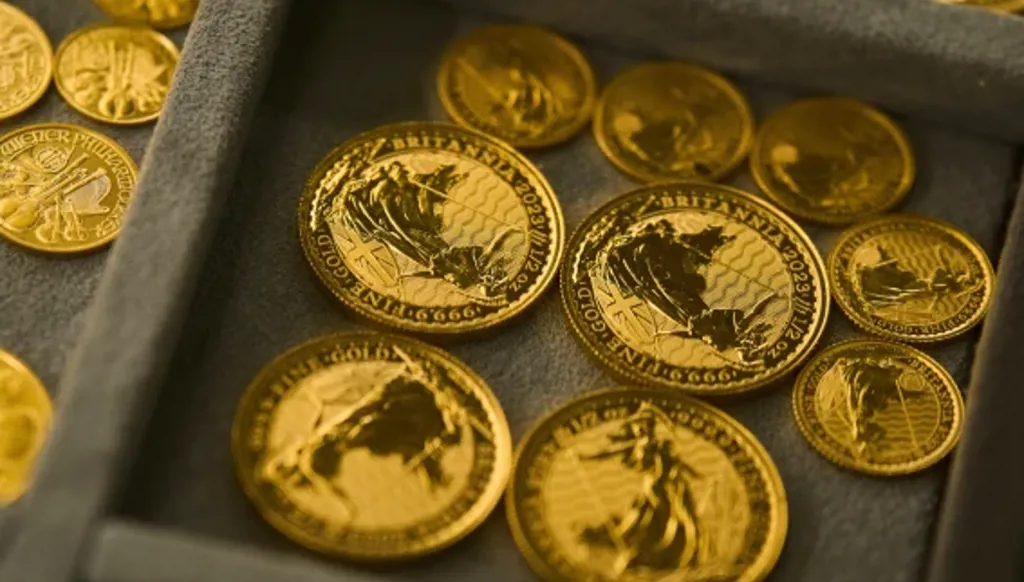


Gold prices have reached a new all-time high, breaking above the $4,500-per-ounce mark in a striking development that has renewed attention on the role of precious metals during periods of global uncertainty. The surge came against technical market expectations, which had pointed to a downward correction from around $4,370. Instead, strong underlying fundamentals, most notably rising geopolitical tensions and a weakening U.S. dollar, pushed prices higher.
Why did gold ignore technical signals?
From a technical analysis perspective, markets appeared primed for profit-taking after a rapid rally. However, gold has historically not moved on technical indicators alone. Political and economic risks often outweigh chart-based signals. As uncertainty intensified, investor demand for gold as a safe-haven asset eclipsed technical considerations, allowing the upward trend to remain firmly in place.
How have geopolitical tensions supported prices?
Tensions between the United States and Venezuela emerged as a key catalyst, particularly following the detention of Venezuelan oil tankers in international waters. These developments heightened concerns over energy security and political stability, prompting investors to hedge through safe assets, primarily gold and silver, amid the fragile global geopolitical landscape.
How have central banks movements affected gold?
Since the beginning of the year, markets have witnessed strong purchasing waves from central banks that have increased their gold holdings as part of strategies to diversify reserves and reduce reliance on the US dollar. This institutional demand has played a pivotal role in supporting prices, contributing to gold's approximately 70% rise since the start of the year, with current trading near $4,500 per ounce.
Why is silver moving faster?
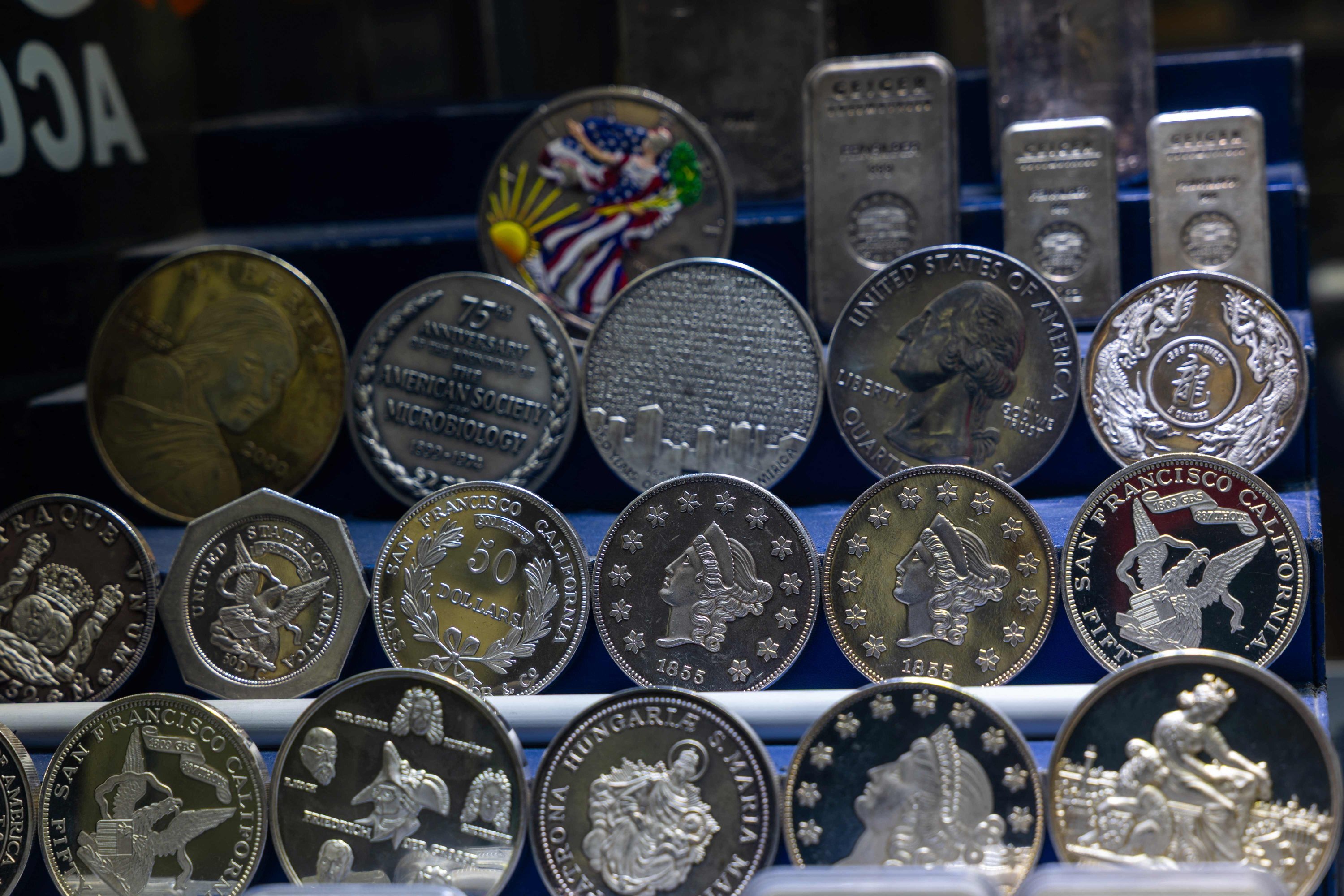
The rise has not been limited to gold alone; silver has seen a remarkable increase from levels close to $50 to exceeding $77. Silver uniquely combines the qualities of a safe haven and industrial usage, making it more volatile compared to gold. If the positive momentum continues, markets are anticipating record levels for the ounce.
How is a weaker U.S. dollar driving metals higher?
The decline of the US Dollar Index (DXY) to around 97 points has provided additional support for precious metals, as a weaker dollar enhances the appeal of gold and silver for holders of other currencies. This trend has been further strengthened by growing expectations of interest rate cuts by the US Federal Reserve, due to the inverse relationship between interest rates and gold prices.
Will the rise continue, or is a correction approaching?
Despite the positive outlook, some analysts warn of potential short-term corrections, especially with the year's end and declining market liquidity. However, the overall trend remains supported by strong fundamental factors, making any potential declines closer to opportunities for re-positioning.
What is the most suitable strategy for investors?
In this context, a strategy of diversification and not concentrating investments in a single asset remains a key option for risk management. Gold and silver may continue to benefit from ongoing economic and political concerns, but cautious handling of volatility remains the most appropriate approach at this stage.

العلامات الدالة
الأكثر قراءة