"ISIS" Activity Rises in Southern Syria... "Serious" Israeli Estimates and Regional Investment


شارك على
 مسنجر
مسنجر
 واتساب
 ثريدز
ثريدز
 بريد إلكتروني
 الطباعة
شارك على


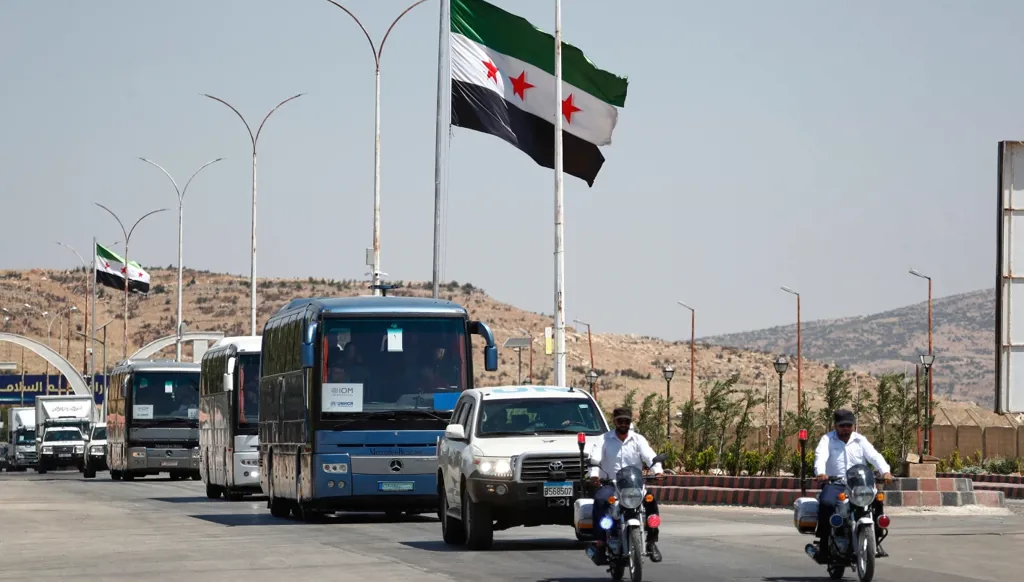


Escalating ISIS activity in Syria suggests the organization is reviving its movement after years of stagnation in the Syrian arena. The activity is spread between southern, eastern, and northern Syria, with suspicions about the parties supporting the organization. It is linked to operations in Damascus, targeting the Mezzeh area recently, which it was accused of but did not claim.
The latest in this activity was the arrest of a Syrian suspect by the Israeli army believed to be operated by the organization to carry out an operation against Israeli forces. He was found with combat materials in the town of Rafid, south of the Syrian Golan Heights, a strategic location that allows gathering intelligence on the movements of Israeli army forces and infiltration routes into Israel.
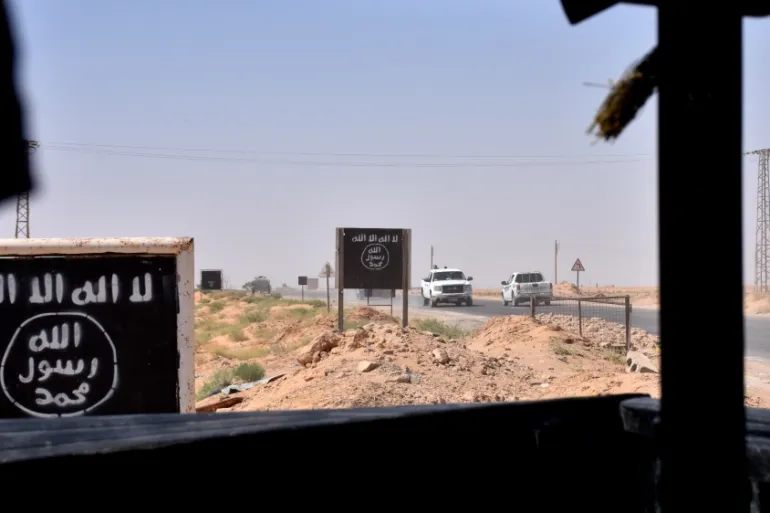
The incident occurred a few weeks after photos emerged from Quneitra Province showing walls with slogans related to ISIS, promising "slaughter," without specifying the target. The Hebrew site "Walla" reports that Israeli army estimates suggest the organization "never left Syria but changed its operational patterns and placement strategies under the new Syrian regime which has not yet succeeded in fully asserting its control".
A noticeable return of ISIS activity
ISIS activity returned to prominence after the fall of Bashar al-Assad's regime due to the prevailing security chaos and the gaps the Syrian authorities were unable to fill, despite persistent attempts and documented operations. The latest was in the Daraya area in the Damascus countryside, where internal security forces announced the arrest of an ISIS cell, and previously in Idlib and several Syrian provinces.
The Wall Street Journal reported from American and Kurdish officers over the summer that the organization "is training new recruits and amassing forces in the Syrian desert." Meanwhile, Aymenn Jawad Al-Tamimi, a researcher at the Philadelphia-based Middle East Forum, told the American newspaper that "greater freedom of movement across Syria probably allowed ISIS cells to move to other parts of the country where they await the right time".
Israeli estimates on "ISIS"
Israeli army estimates say the organization wants "to control areas left during the Syrian war years and with the flight of Assad forces, especially in the east of the country and the Syrian Badia, where the geographical nature allows its elements to hide and move." It is noteworthy that many ISIS elements were released from prisons after the Assad regime collapsed and returned to operate with the organization.
After the international coalition against it was formed, ISIS changed its policy. Having once controlled vast areas in Syria, its presence became a matter of dormant cells and isolated elements in many provinces carrying out operations termed as "lone wolves," which rely on one or a few elements. Israel fears this situation at its northern borders, as suicide operations form the backbone of "lone wolf" operations.
According to Hebrew media, the renewed activity of ISIS raises concerns within Israeli security institutions, fearing the organization has started sending elements to southern Syria to conduct operations against the Israeli army. However, at the same time, estimates indicate that "ISIS" has not yet established its presence in southern Syria and is in a "testing phase" building preliminary infrastructure.
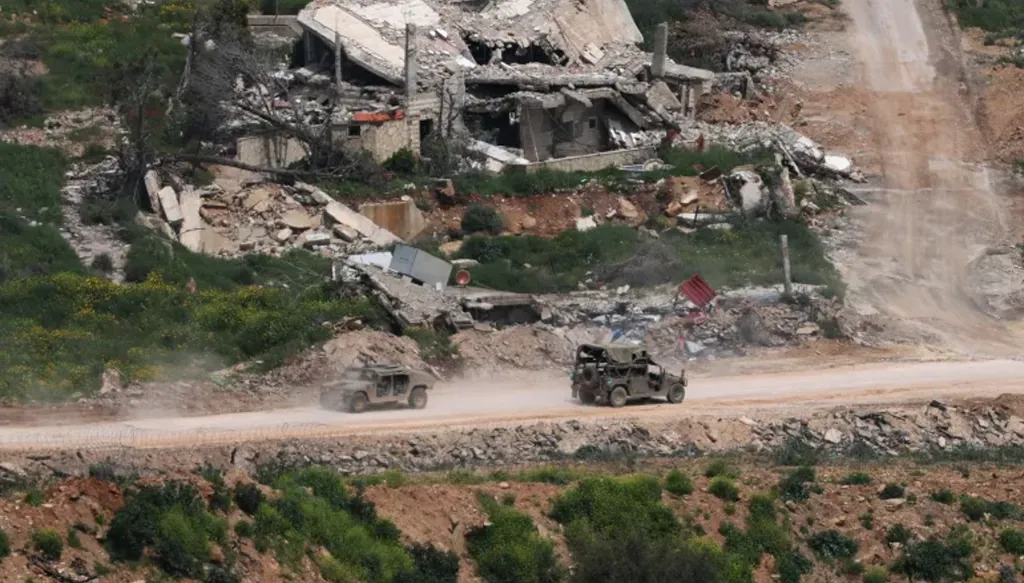
The Israeli army relies on proactive security, especially after the events of October 7th. From this perspective, reports reveal that the Israeli army has recently intensified its military and engineering activity in southern Syria to enforce security control on the ground to prevent any breaches. This activity is part of Israel's effort to establish demilitarized security zones.
The entity behind "ISIS"
It is known that ISIS is an armed faction that feeds on intersecting international support and attempts at investment. The chaotic field reality is not sufficient alone to revive the organization, and ISIS's renewed activity requires financially and militarily supportive entities. Identifying the entity behind the organization involves observing the intersection of interests in the ongoing security chaos in Syria, especially in the south.
In a previous conversation with "An-Nahar," researcher Sohaib Jowhar suggested that several parties are "capable of investing" in the organization through their intelligence. In the Syrian case, the "losing" regional party represented by Iran "might seek to destabilize the situation." According to him, troubled Iran "might seek to reactivate Islamic extremism and affiliated groups to disrupt stability if it can't secure a seat at the negotiation table".
It cannot be definitively stated who is behind ISIS and its renewed activity, as many parties aim to destabilize the security reality in Syria and seek the return of extremism to tarnish the image of the Syrian authorities before the United States, which lifted sanctions from it recently. Among these parties are Iran and Israel, both opposing the Damascus government from their respective angles. Attention remains on "ISIS" and its future horizon.

العلامات الدالة
الأكثر قراءة