The United States is Waging a War with Iran, the World's Most Isolated Nation!


شارك على
 مسنجر
مسنجر
 واتساب
 ثريدز
ثريدز
 بريد إلكتروني
 الطباعة
شارك على


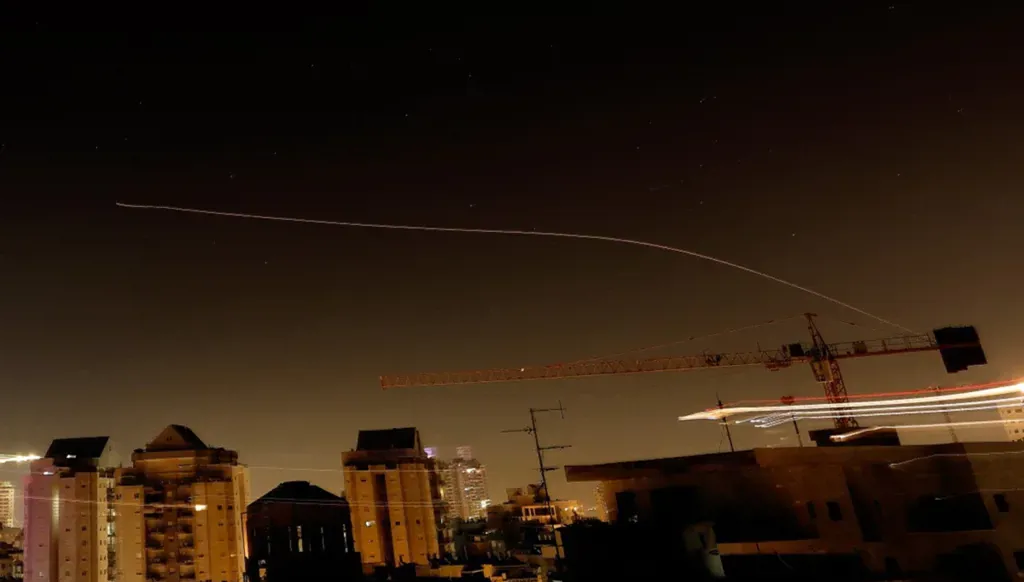


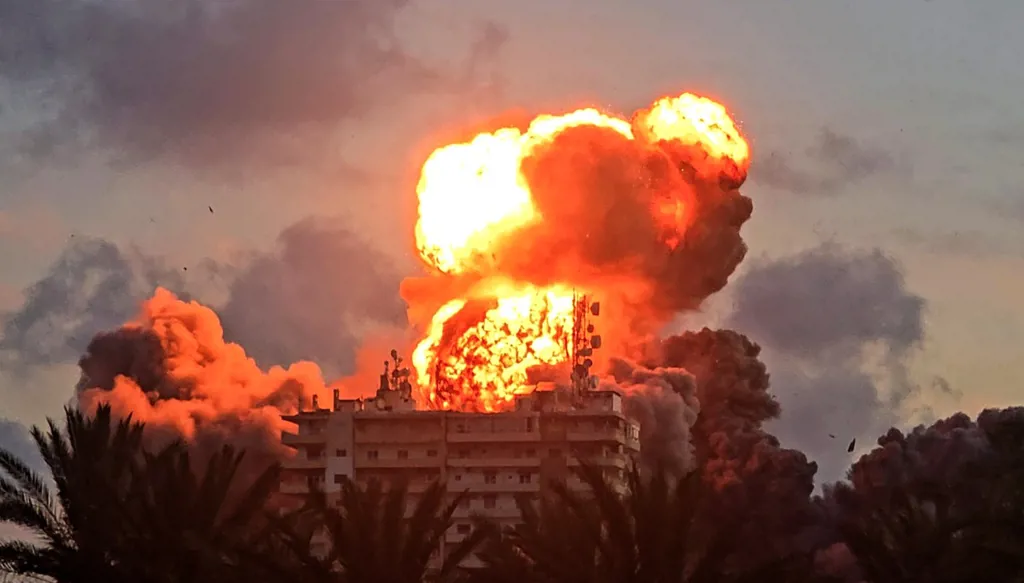
The ambiguity surrounding Trump's objectives in his ongoing war against Islamic Iran has magnified his maneuverability and freedom to define what constitutes success, while keeping others in a state of uncertainty. His administration's representatives have refrained from appearing on talk shows and the like, while his statements about giving the Iranian people a chance to shape their future have left the world puzzled.
Is the United States really seeking regime change? This question was posed by Dennis Ross, who has extensive experience serving in successive American administrations and dealing with peace efforts in the Middle East, especially between Arabs and Israel, and who turned to research afterwards, answering it as follows: Conventional wisdom suggests that changing the regime by relying solely on airstrikes without ground forces on the battlefield is almost impossible. The United States and Israel have continually targeted the leadership system of the Islamic Republic with strikes hitting sites of the "Revolutionary Guards" and "Basij Forces" across the country with the objective of weakening the military institution and provoke the loyalty of its elements. However, fundamental questions remain about the ultimate goal of the "regime change campaign" and the feasibility of achieving it in the foreseeable horizon.
An arguably more realistic alternative might be weakening the regime rather than toppling it, as making the Islamic Republic fragile and incapacitated from threatening the region might compel top regime officials to reassess their behavior akin to what was recently seen in Venezuela. Some Iranian elites began questioning the rationale of the Supreme Leader's strategy relying on massive investments in terror proxies and nuclear infrastructure programs post the June 2025 war. Internal rifts have deepened, weakening the regime and paving the way for a change in Tehran's stance through reaching a deal with any emerging leadershipwilling to make concessions deemed acceptable by Trump.
The strategy of weakening the regime could allow the White House to leave the war single-handedly, declaring a broad victory. A victory manifested in imposing a heavy toll on the regime due to massacres against protesters, and in breaking its ability to threaten the region. In this scenario, Trump can brandish a more severe price should Tehran try to continue hostility after ordering his American forces to halt operations. The greatest threat of this approach isn't Iran's persistence in fighting, but the potential launch of a new massacre campaign against the Iranian people if they rise to exploit the regime's weakness. Tehran seems to have made a grave miscalculation when it attacked the Gulf states, hoping that would push Saudi Arabia, Qatar, the UAE, Bahrain, and Kuwait to pressure Trump to stop the war. But its attack on these countries resulted in the opposite: Iran fell into isolation and the Gulf became united against the Iranian regime. The result enhanced prospects for regional integration and proved the value of security partnerships with the United States, making Trump ready to use firm force with Russia and China, both equivalents in the Middle East.
If Iran seeks an exit from the war, it may turn to Moscow as a mediator. Vladimir Putin, its President, might have a real interest in regaining his regional presence, saving an ally regime, and offering a way out to Washington. Yet, he would have to extract concessions that Trump views as of real value.
What are the main features of the ongoing war for over two weeks now between the United States and Israel on one side and Islamic Iran on the other? Dr. Robert Satloff, the head of the Washington Institute for research, says in response to this question: The main features are that it represents the highest form of U.S.-Israeli military cooperation ever, besides the historic American decision to participate in an operation aimed at the political assassination of a rival state leader, which is Khamenei.
President Trump has outlined a complex set of objectives starting from destroying the remnants of the nuclear program to regime change, providing him ample opportunities to declare victory at his discretion. Among the various scenarios raised, the question arises: how will Trump act if matters reach a point where the Iranian people heed his call to reclaim their country? Will he extend operational support, such as air cover, to protect them from the regime's retaliatory strikes? Or will he leave them to their fate as President George H.W. Bush did in 1991 with the Iraqi people?
One of the surprising elements in this conflict is Tehran's strategy of internationalizing the conflict from its earliest hours. The Islamic Republic entered this war as the most isolated state in the world, with no ally providing substantial support, exacerbated by its leaders' attacks on regional countries, turning governments that preferred neutrality into adversaries, leading to successful Arab-Israeli coordination efforts against a common Iranian enemy, a notion that had been seen as impossible. This is a reality discussed among serious analysts.
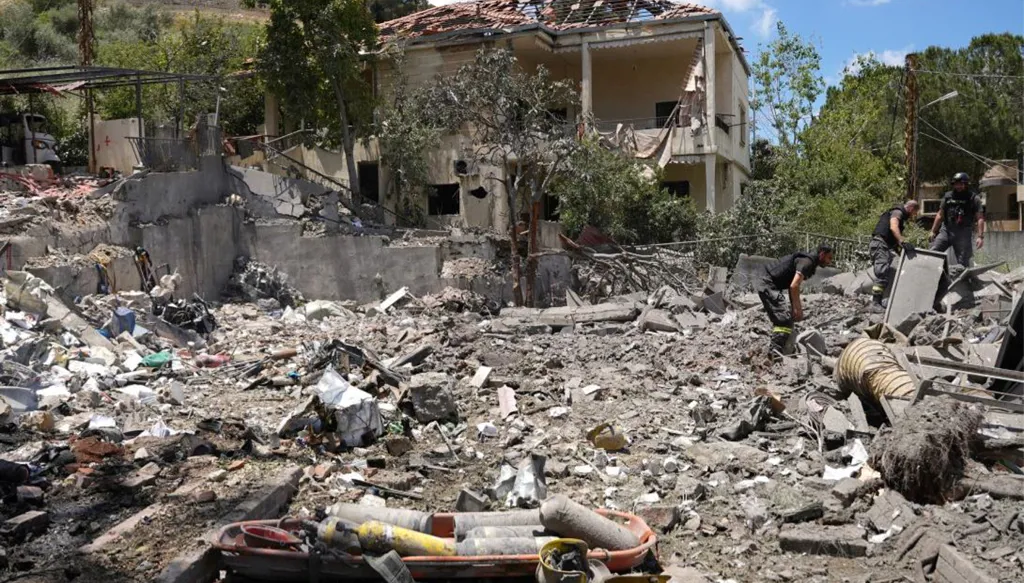
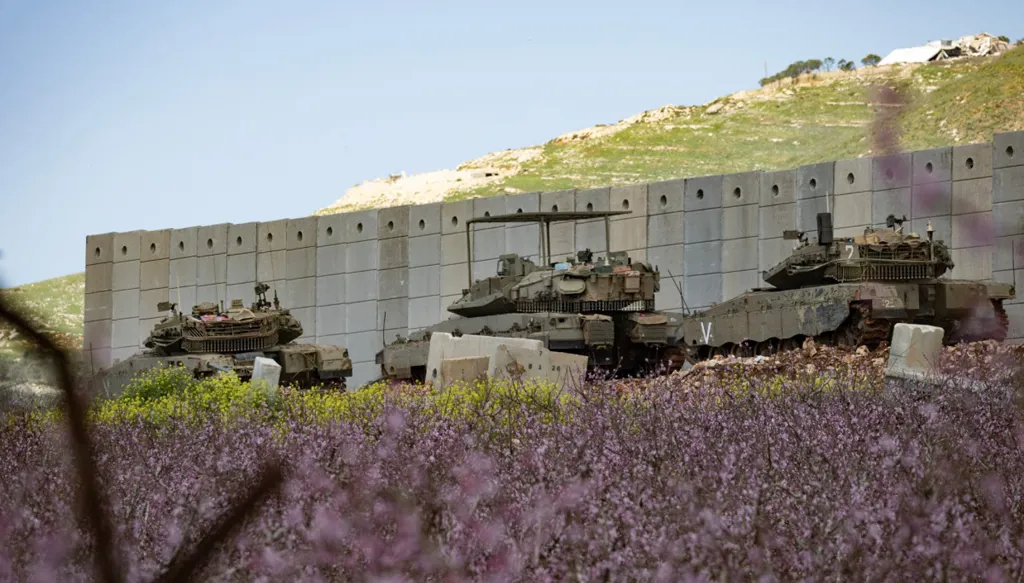
The Saudi-Emirati tensions have subsided, albeit temporarily, as evidenced by their joint statement condemning Iranian attacks, while Lebanon has called for resuming negotiations with Jerusalem following Hezbollah joining the war by launching rockets at northern Israel. Although the war is still in its early days, events are rapidly accelerating with a dynamic flow.
Just a week ago, President Trump boasted in his "State of the Union" address about the decline in fuel prices. He is now racing against time to prevent the war from turning this achievement on its head, and from causing long-term damage to the U.S. economy, especially with the midterm elections approaching. If waging a prolonged hot war is a new and politically costly experience for the Trump administration, there's a real possibility that Trump will terminate it and declare victory at the first instance where he achieves a clearly defined goal he can present as an accomplishment to the public in his country.

العلامات الدالة
الأكثر قراءة