Clashes in Janzour test Libya’s new Chief of Staff amid rising militia rivalries
Violent confrontations between armed brigades leave civilians injured, expose power struggles, and highlight challenges for Libya’s military reform and international efforts to stabilize the west


شارك على
 مسنجر
مسنجر
 واتساب
 ثريدز
ثريدز
 بريد إلكتروني
 الطباعة
شارك على


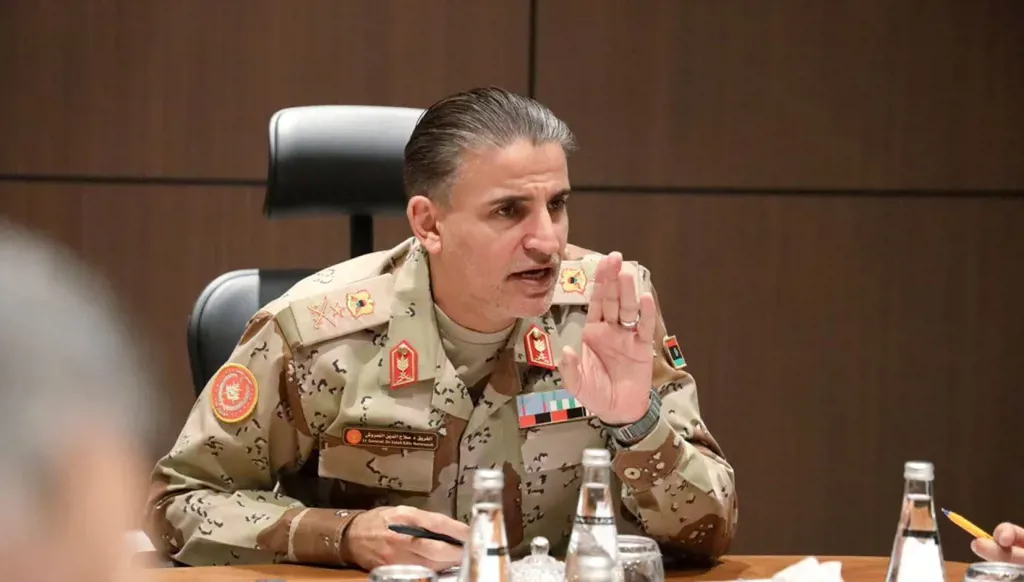


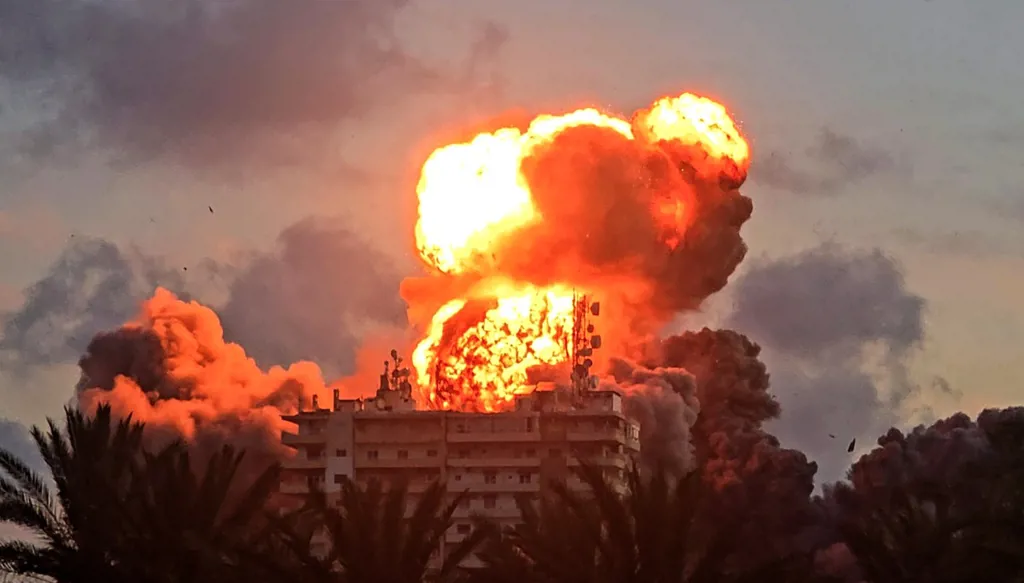
Calm has returned to the coastal town of Janzour after a bloody night west of the capital, Tripoli, following clashes between two armed groups affiliated with the Chief of Staff of the Libyan Western Forces. This is the first such incident since the departure of Chief of Staff Mohammed al-Haddad, whose plane crashed on the return from Turkey.
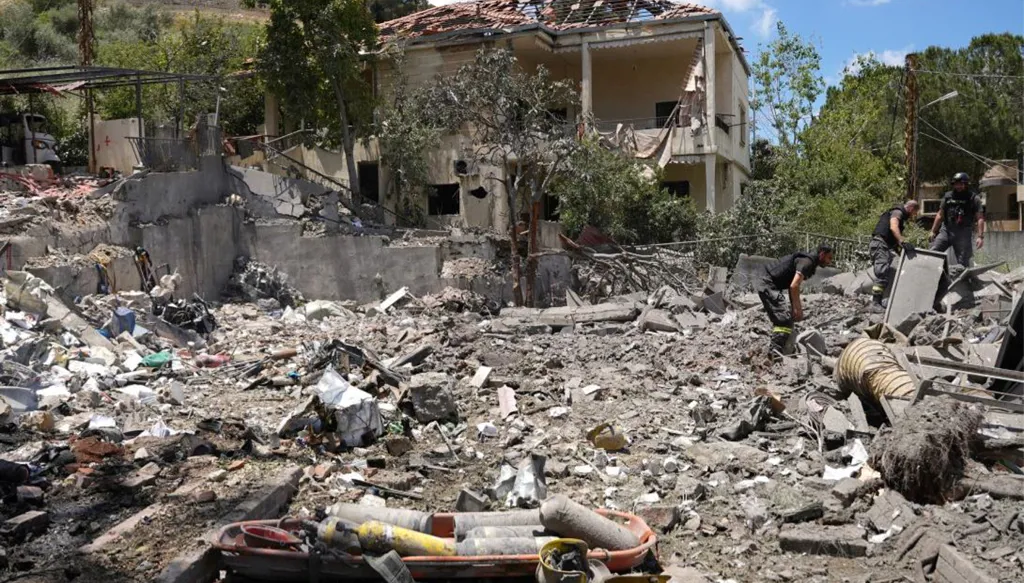
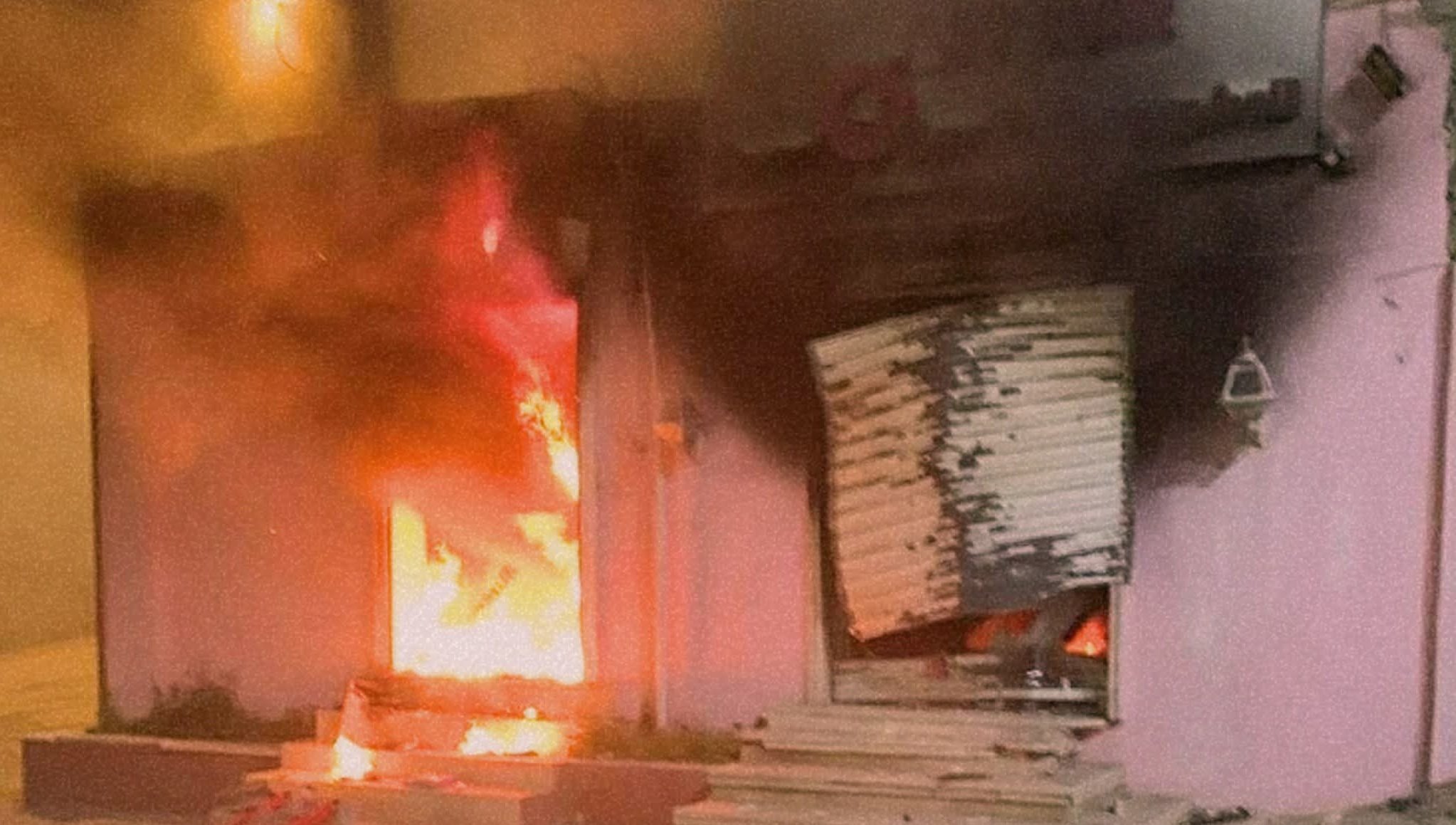
The clashes, involving heavy and medium weapons between the ''137 Western Coast'' and ''6th Support Battalion'' brigades in residential areas along the coastal road, left several people injured, including a 12-year-old child who was struck by a bullet in his home. Additionally, several civilian houses and a medical clinic, which was sheltering patients and medical staff, were damaged by shrapnel, according to Libyan human rights organizations.
بعد 24 ساعة من الرصاص والترويع في ضاحية جنزور بالعاصمة الليبية طرابلس، أصدرت رئاسة الأركان التابعة لحكومة الوحدة بيانًا مكتوبًا بلغة مكررة، وكأنها تراقب أحداثًا في قارة أخرى.
— khaled mahmoued (@khaledmahmoued1) February 13, 2026
وبعد يوم كامل على الاشتباكات التي وقعت في جنزور بين كتيبتين تتبعانها مباشرة (137 والسادسة)، تصدر بيانًا… pic.twitter.com/N7Is7F1Djl
First test for Al-Namroush
These clashes appear to test interim Chief of Staff Salah al-Namroush, who succeeded al-Haddad, and his ability to control the armed groups under his command. They also underscore the challenges facing international efforts—primarily American—to unify Western Libya’s armed groups under the Chief of Staff. Meanwhile, human rights advocates are calling for the expansion of sanctions lists to include “warlords” and their aides.
Following the intervention of the so-called ''Security Threats Prevention Unit'' to end the conflict, the Chief of Staff issued a statement disavowing the combatants. He condemned the violent acts in the strongest terms, describing them as “individual acts that do not represent the military institution, and those responsible are held accountable under the highest levels of legal and military authority.” The statement emphasized that the events “constitute a flagrant violation of military law and order, and a serious breach of orders regarding the protection of civilians and the safeguarding of public and private property.”
Libyan military adviser Brigadier General Adel Abdul Kafi, in his discussion with Annahar, downplayed the significance of the Janzour clashes, describing them as “limited individual incidents.” He explained that the confrontations occurred between the leaders of the ''137 Brigade'' and ''Sixth Support Battalion,'' in the context of “competition to expand influence zones in the region, within Libya’s current security fluidity.” He characterized the violations as “a natural outcome of elements that have not been trained within a disciplined military system,” and predicted that “the Chief of Staff may punish these elements, possibly dismissing them from their military units.”
Abdul Kafi stated, “If Libyan institutions are unified, such elements—accustomed to violations—will be filtered out and permanently removed from security and military agencies.”
Calls for accountability and expanding sanctions
Meanwhile, the head of the National Human Rights Institution, Ahmed Hamza, said that the Chief of Staff “evades legal responsibility, particularly by not initiating an investigation into the unfortunate events and the terrorizing, armed intimidation that civilians faced from affiliated armed groups. This perpetuates impunity for these crimes and serious violations of human rights and international law, effectively turning a blind eye to the perpetrators.”
Hamza, in his conversation with Annahar, argued that such statements “will not bring justice, security, stability, or redress for the victims, nor will they end impunity; instead, they serve merely as painkillers, intended to absorb the anger of the Libyan street.”
He emphasized the need to “hold accountable those involved in committing these violations, as well as the officials who granted them apparent legitimacy and funding.” Hamza called on the Libyan Attorney General to “conduct a serious and comprehensive investigation into the causes of the violence in Janzour and its surroundings,” warning that “these criminal acts will not go unnoticed, and the perpetrators will not escape punishment. These crimes do not expire with time.” He also urged the international community to “assume its legal and humanitarian responsibilities and expand the listing of warlords and their aides on the international sanctions list at the Security Council.”
Power struggles and government silence
Libyan activist Abdul Rahman Fadil echoed Abdul Kafi, noting that the Janzour clashes stem from “growing rivalry over influence and security control within the strategically important city.”
He explained to Annahar that Janzour holds particular importance as it hosts official and semi-official headquarters for the UN mission and several other international missions, making it a key arena in the power struggle. Various Libyan factions are motivated to establish military and security entities there to secure political and security influence.
Fadil believes these clashes “constitute the first serious field test for Team Al-Namroush. However, the failure of the new Chief of Staff to halt the confrontations—relying solely on condemnation statements without clear deterrent measures—reflects confusion in decision-making and raises doubts about his ability to manage future military developments or enforce discipline within the armed formations.”
Meanwhile, the National Unity Government’s Presidency, along with the Ministries of Defense and Interior, remained silent on the events, “reflecting the lack of actual control over forces on the ground and confirming the limited influence of the executive authority over armed formations,” according to the Libyan activist. He argued that “this weak performance has deepened public discontent and further eroded confidence in the state’s ability to protect citizens and maintain security,” stressing that “this situation cannot be resolved without unifying the military institution, dismantling the militia economy, and launching comprehensive security reforms based on professionalism and accountability, thereby restoring the concept and prestige of the state.”

العلامات الدالة
الأكثر قراءة