Iran’s bold diplomatic moves: Can the "mutual non-aggression pact" prevent war?
Amid U.S. pressure, Israeli threats, and domestic unrest, Tehran and Washington explore a fragile path from hostility to cautious calm.


شارك على
 مسنجر
مسنجر
 واتساب
 ثريدز
ثريدز
 بريد إلكتروني
 الطباعة
شارك على




The Iranian diplomatic efforts aimed at defusing the war are at a critical juncture, reflected in the latest developments of the tour by the Secretary of the Supreme National Security Council, Ali Larijani, to the Sultanate of Oman and Qatar, following a round of talks held in Muscat last week between Iranian Foreign Minister Abbas Araghchi, American envoy Steve Witkoff, and President Donald Trump's son-in-law, Jared Kushner.
These moves are gaining momentum amid unconfirmed leaks suggesting that Russian President Vladimir Putin, during Larijani's recent visit to Moscow, proposed the resumption of negotiations between Tehran and Washington after an eight-month halt following the Israeli attack on Iran.
Some speculations go as far as suggesting a brief video call between Larijani and Trump, which neither party has confirmed or denied. However, Trump's recent hint about speaking to a "senior Iranian official" reinforces the hypothesis that he meant Larijani, especially in light of his vice president's remarks downplaying Araghchi's authority in negotiating with Washington.
Larijani's arrival in Doha and his meeting with the Emir of Qatar, Sheikh Tamim bin Hamad Al Thani, coincided with the latter's phone call with Trump, during which they discussed "de-escalation and boosting regional security and peace" and affirmed "the importance of supporting diplomatic efforts to address crises through dialogue and peaceful means."
Diplomatic race between Tehran and Tel Aviv
The timing of Larijani's tour coincides with Israeli Prime Minister Benjamin Netanyahu's visit to Washington, which he announced as focused on the Iranian issue. This sensitive overlap prompted Larijani to issue a direct warning via a post on "X," stating: "Americans must think wisely and not allow Netanyahu to suggest reminding them of the nuclear negotiation framework. Washington must be cautious of the destructive role of the Zionists."
This warning comes after media reports indicated that Netanyahu intends to inform Trump that the threat posed by Iranian ballistic missiles grants Israel the right to launch an independent attack, even if a new nuclear deal is reached between Washington and Tehran.
Conversely, Iran emphasizes that its missile capabilities are "non-negotiable," and any talks are strictly limited to the nuclear issue, representing a fundamental disagreement that Israel could exploit to derail any potential agreement and push the United States toward a military option.
Several analysts believe that the U.S.-Iranian military confrontation project is essentially driven by Israel's will, with the United States executing it and bearing the political and military costs. This may explain some of the American hesitance and delay in pursuing this option.
The postponement of military action against Iran has led to Trump being accused of breaking his promises by broad sectors of opponents of the Islamic regime, particularly regarding his earlier pledges to support protests inside Iran. With the launch of a new round of negotiations between Tehran and Washington and the increase in positive statements by Trump about the possibility of reaching an agreement, feelings of anger and discontent have escalated among these opponents, who now feel like mere tools in American political calculations.
A decisive American message in Muscat
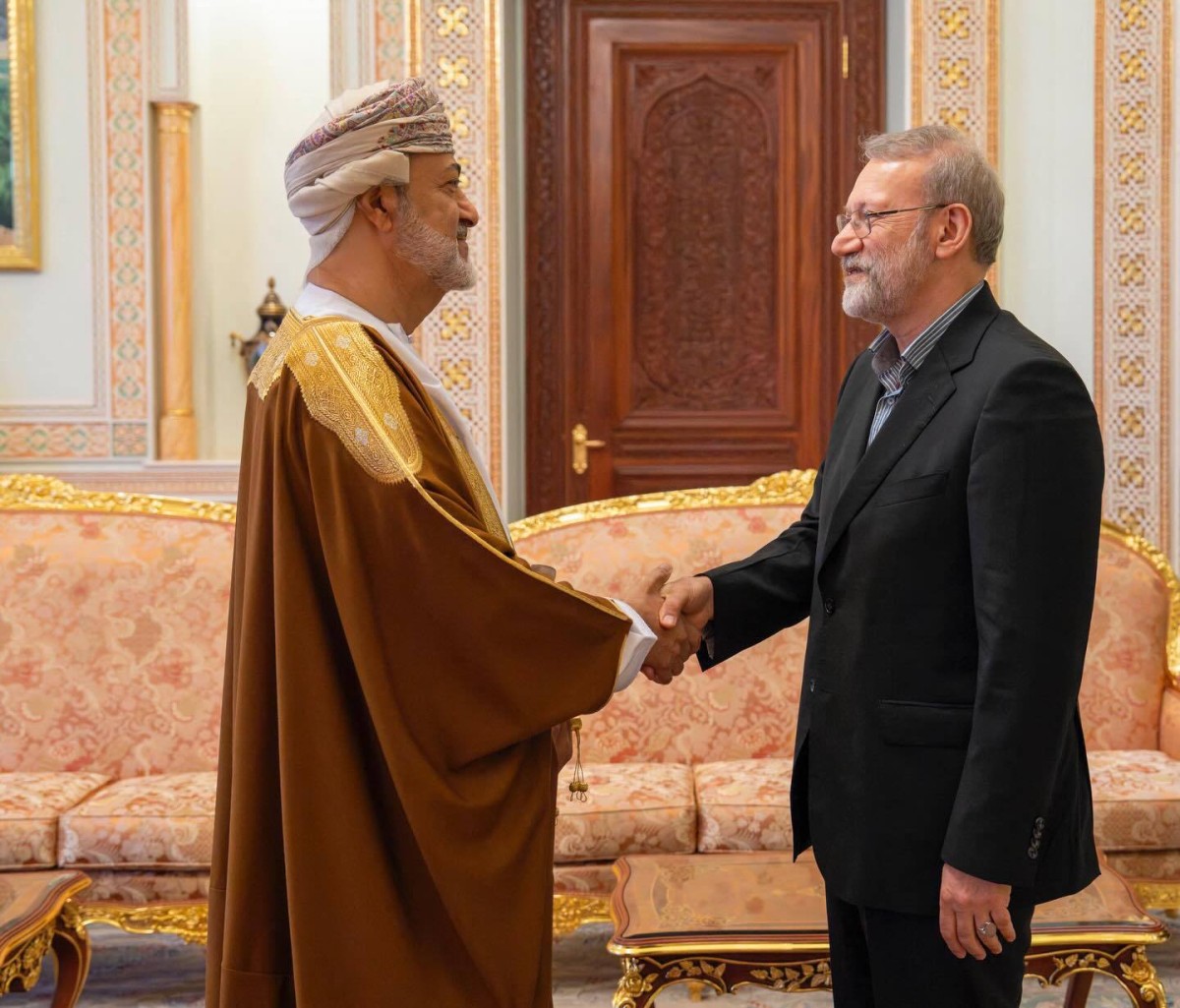
Contrary to expectations, Larijani did not bring any message to the Americans in Muscat; he was the recipient of one. Informed sources revealed that his three-hour meeting with Sultan Haitham bin Tariq—who rarely meets officials other than heads of state—saw the sultan deliver a written American message to Larijani. It is believed that the message contained the final American demands, awaiting the official Iranian response after being presented to Supreme Leader Ali Khamenei.
These diplomatic maneuvers occur amid U.S. military escalation around Iran and heightened economic sanctions, the latest being a 25% tariff on trade with Iran following the Muscat round of negotiations.
"Non-Aggression Pact": A way out of the crisis?
Amid these tense circumstances, talk has emerged of an initiative that could turn the tables and avert the specter of war: a plan titled the "Mutual Non-Aggression Pact," prepared by Iran in cooperation with Russia and supported by Gulf states.
This plan does not aim for historical reconciliation, as the ideological and structural differences between Tehran and Washington run deep, but rather seeks to move from "active hostility" to a "cold balance" to prevent a slide into disaster. Under it:
Iran commits to refraining from any direct hostile acts against U.S. interests and its allies in the region, particularly Israel.
Washington, in turn, pledges not to launch military action against Iran and to prevent its allies from doing so.
Tehran pledges to cease arming its allies in the "Axis of Resistance" and to restrict its diplomatic and security dealings to official governments, rather than through armed groups.
For Washington, this agreement might represent a diplomatic victory, achieving "Iran containment" without the high costs of war. For Tehran, it serves as a lifeline that prevents war and economic collapse, giving the regime a chance to catch its breath domestically after the recent wave of protests that affected its legitimacy.
The noteworthy point is that conservative political groups in Iran, which have consistently opposed any negotiation or agreement with the United States, are now showing—for the first time since the Islamic Revolution—a clear willingness to support reaching an agreement, aiming to avoid the outbreak of war or a potential collapse of the regime.
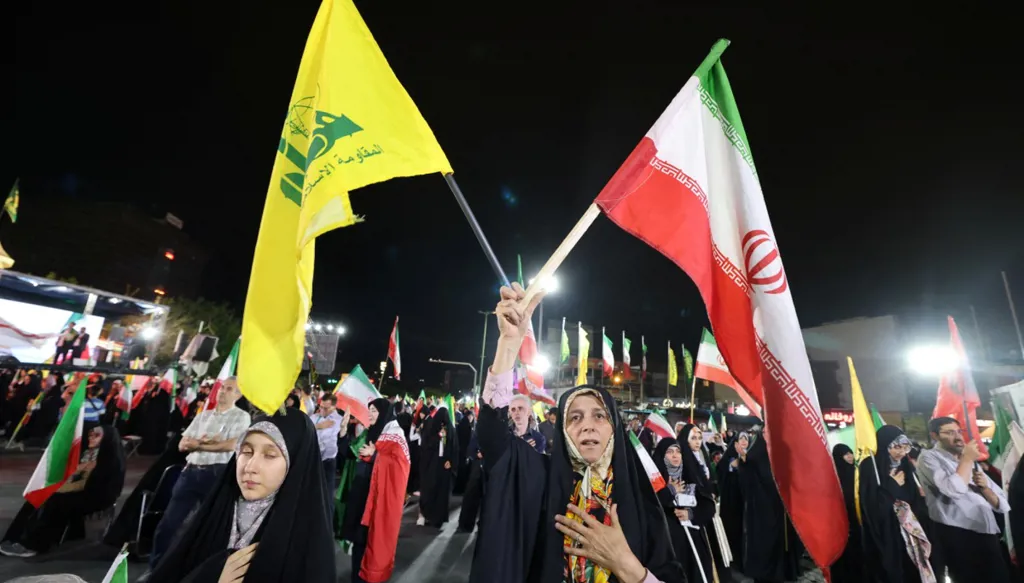
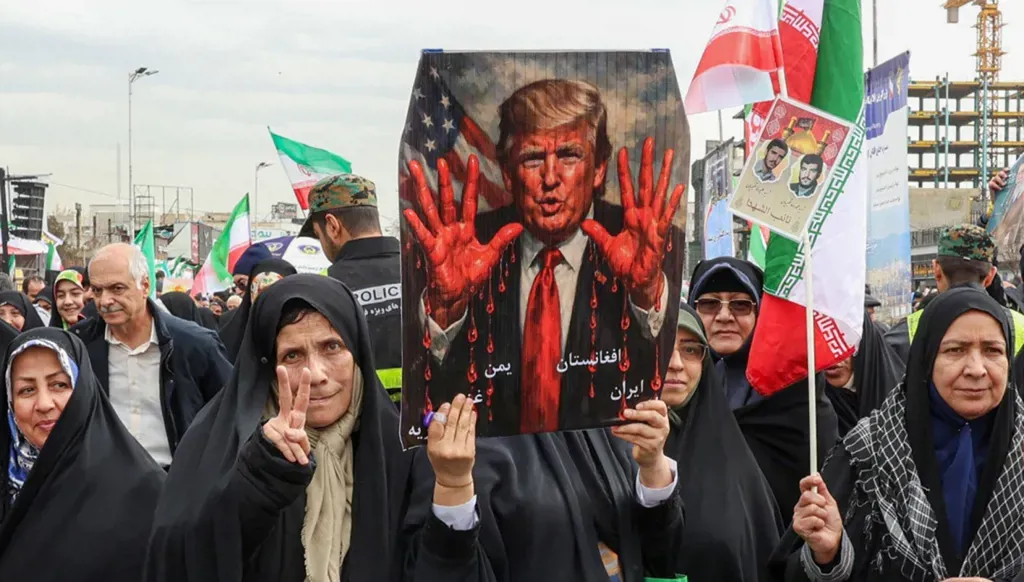
However, this conservative stance emerges within a context of contradictions. Official figures continue to chant anti-American slogans, as observed during this year’s anniversary marches of the Islamic Revolution in Tehran—as usual—burning American and Israeli flags and displaying symbolic coffins of American soldiers in the streets. This behavior is attributed to the Islamic Republic’s refusal to rule out the possibility of a military confrontation with the United States, thereby adopting an approach that allows simultaneous preparation for both scenarios: reaching an agreement or engaging in war.
In conclusion, the success of the "Mutual Non-Aggression Pact" remains contingent on answers to several thorny questions: Will Israel accept this new arrangement? Will the Iranian opposition, both inside and outside the country, halt its movement after the violent suppression of recent protests? Most importantly, does the Iranian regime have the capacity to contain any new wave of anger that may erupt in the streets?
Disclaimer: The opinions expressed by the writers are their own and do not necessarily represent the views of Annahar.

العلامات الدالة
الأكثر قراءة