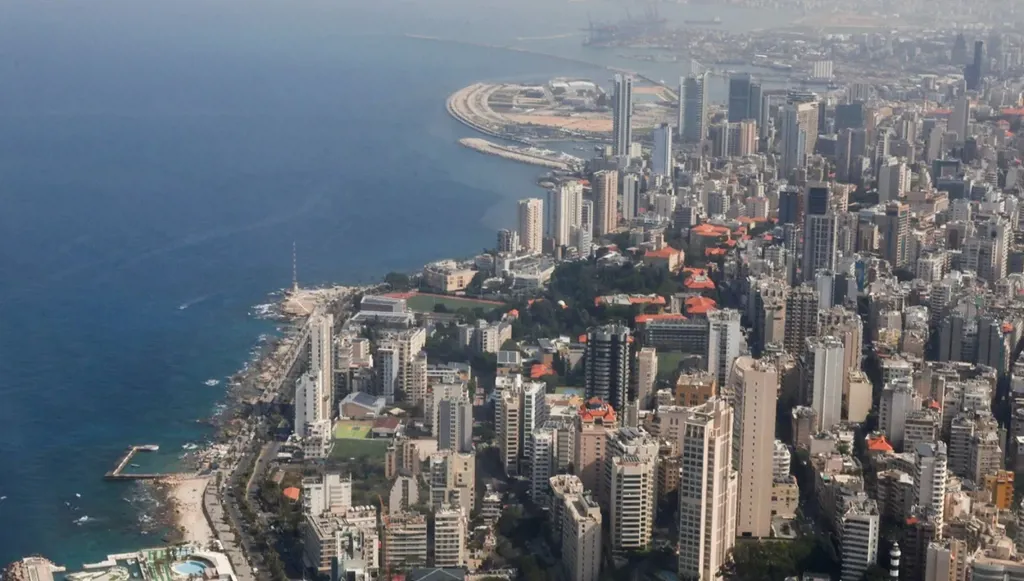
Iraq and Lebanon caught in crossfire as US, Iran signal rigidity
As Iran calls a U.S. bluff on Al-Maliki's appointment to the Iraqi premiership, the US expands signaling operations across the Middle East.


شارك على
 مسنجر
مسنجر
 واتساب
 ثريدز
ثريدز
 بريد إلكتروني
 الطباعة
شارك على


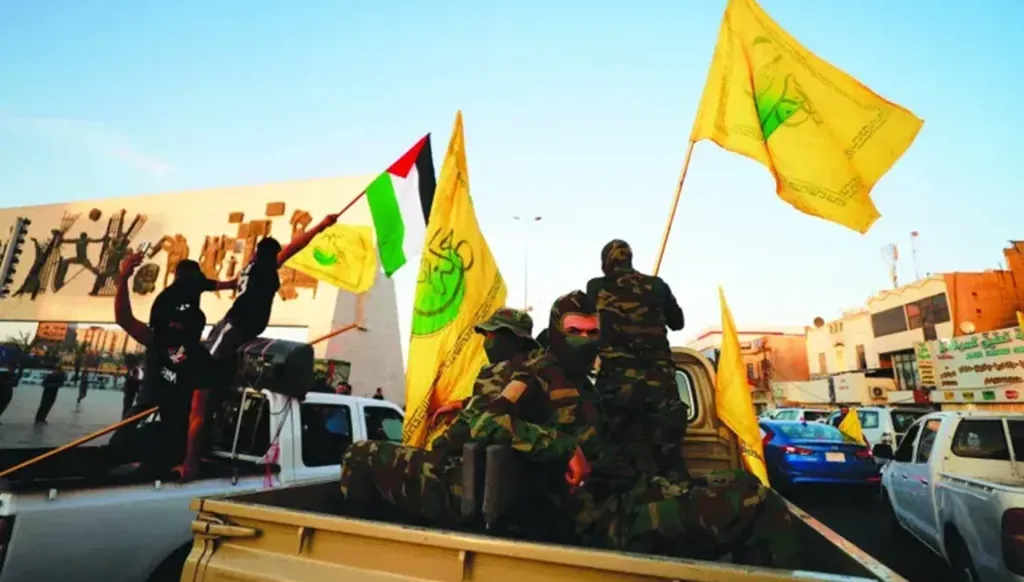


Nouri Al-Maliki, the candidate for the Iraqi premiership, took the opportunity of U.S. envoy Tom Barrack's visit to Iraq to double down. He declared his control of armed factions and his desire to limit arms to the state, emphasized the necessity of a relationship with Washington alongside the relationship with Iran, and also announced his intention to confront any entity that could target any diplomatic presence in Iraq. However, Maliki restated that he has no intention of pulling his nomination.
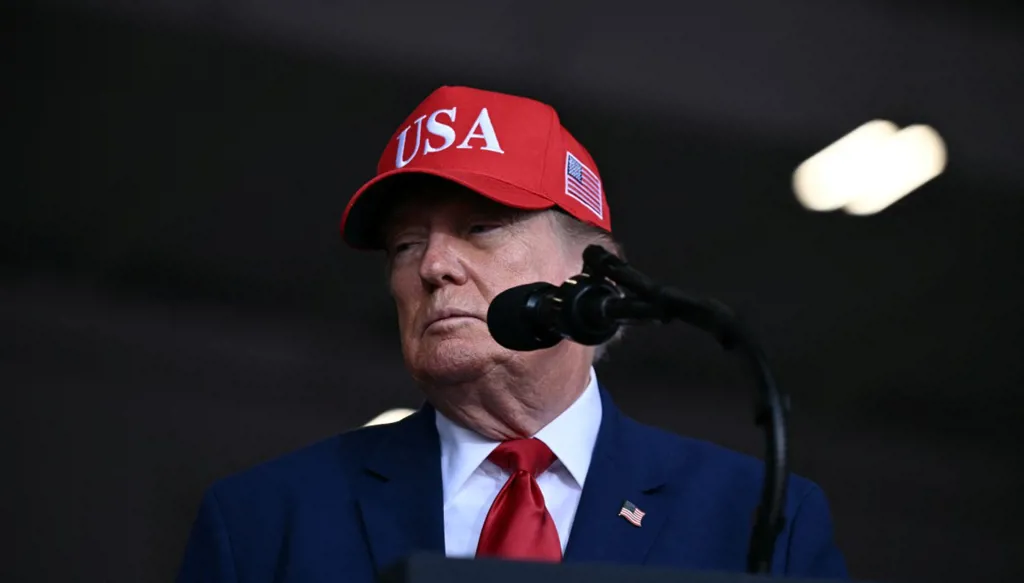
Amidst heightened tensions, Iran seeks to prop up Maliki's candidacy as a hedge against Western influence. Donald Trump has warned Iraq that the United States would halt support if Maliki were chosen for the Iraqi premiership. Maliki and Barrack failed to meet during the recent visit.
This step comes amid escalating tensions between Washington and Baghdad regarding U.S. efforts to reduce Iranian influence in Iraqi politics, alongside efforts to curb the influence of "Hezbollah" and its arms in Lebanon, which remain among the most significant challenges facing Iran.
Simultaneously, diplomatic observers point out that Iran's reliance on mediation carried out by Egypt limits its ability to use the Houthis again in targeting ships in the Red Sea, due to the potential damage to trade and transit through the Suez Canal.
The pressure exerted by Washington in Iraq signals its unwillingness to soften its stance, a statement aimed as much at Iraq as at Iran and Hezbollah.
Just as what occurred in Syria affected Lebanon, Iraq, and the wider region, the rejection of Maliki must be taken as part of a broader pressure campaign. Recent Israeli attacks in the Baalbek area targeting whole cadres are another axis of this attack. The timing, nature, and scale of the targeting all convey the message that Israel is waiting to cripple Hezbollah's capabilities and prevent Iran from employing it through military pressure if war were to start.
When fears of attacks on American interests are added to the equation—as reflected by the withdrawal of non-essential U.S. personnel from the embassy in Beirut—Israel will undoubtedly receive a blank check to carry out unprecedented strikes on Hezbollah, according to what was conveyed to Lebanese officials in this regard.
There is significant fragility in Iran’s situation, both domestically and regionally, mirrored by fragile conditions in several countries and even within the Gulf states. Egypt is currently mediating to reconcile these ramifications, with Egyptian President Abdel Fattah el-Sisi visiting the UAE and then Saudi Arabia in recent weeks, set against a backdrop of escalating tension between the two.
Disclaimer: The opinions expressed by the writers are their own and do not necessarily represent the views of Annahar.

العلامات الدالة
الأكثر قراءة