From nuclear files to election timelines: The real Iran–U.S. negotiation game



شارك على
 مسنجر
مسنجر
 واتساب
 ثريدز
ثريدز
 بريد إلكتروني
 الطباعة
شارك على




What Iranian affairs analyst Dina Esfandiary wrote about 13 years ago falls within a broad context of analyses distinguishing between Western and Iranian negotiation cultures. The former sets a series of strict objectives to be achieved, while Iran relies on maneuvering to secure the deal on the best possible terms, according to this context.
Flawed ؤomparison
Exaggerations, if not inaccuracies, are not absent from this so-called "cultural" division of negotiations. On the one hand, efforts to raise ceilings are not unique to bazaar traders; they are common among negotiators of all backgrounds. More importantly, it seems that Iran, not the West, was the one shopping at Macy’s. Between 2013 and 2015, Iranian negotiators were adamant in refusing to discuss any issue beyond the nuclear program—and they got their way.
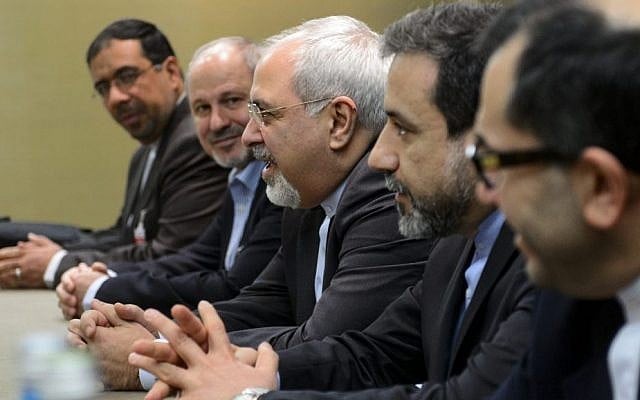
Today, despite its weakened position over the past two years, Iran is pushing to limit discussions to the nuclear file. According to Friday’s talks, it seems they have embarked on the "right" path. Tehran did not stop at this ceiling: it even rejected halting enrichment and transferring its uranium stockpiles abroad. This followed its objection to the initial proposal to hold the negotiations in Turkey, before they were moved to Oman.
So far, the United States remains open to continuing diplomatic efforts. Some believe Iran seeks to delay the negotiations, specifically aiming to run out the clock until the midterm elections, where the president’s party is historically expected to lose. If that outcome occurs, President Donald Trump would become a "lame duck," and Iran would have passed through the toughest phase. Regardless of whether Iran is indeed tying its negotiations to the midterms, these analyses remain flawed or ambiguous on multiple levels.
Three key points
The term "lame duck" refers to the dwindling power of a U.S. president—but only in domestic affairs. Ironically, a president might offset internal weakness by adopting a tougher stance abroad. For example, President Joe Biden allowed Ukraine to strike targets inside Russia with advanced American arms after Vice President Kamala Harris lost the 2024 elections. Similarly, if the Republicans suffer a significant loss next fall, Trump may be more inclined toward military action.
Secondly, even if the midterm elections serve as a pivotal stage for the negotiations, the outcome remains uncertain. If Trump seeks to leverage his external momentum to benefit the Republicans, he might aim to reach an agreement before the deadline. But it is equally possible that he could launch a swift strike on Iran and declare "victory" before Americans head to the polls. In either case, it is difficult for presidents to translate external successes into domestic gains.
Thirdly, there is little chance that Trump will wait until next fall to make a military decision. Maintaining the U.S. fleet in a constant state of readiness until November is difficult. The aircraft carrier Abraham Lincoln can remain deployed for about seven months before returning for maintenance. Having arrived in the regional waters last month, it is very likely to withdraw before next fall. While technology and military capability are not the sole factors determining the outcome, their role is significant.
Thus, the midterm elections appear to be more of an artificial marker for gauging the negotiation timeline with Iran. At best, this provides a largely incomplete understanding.
Disclaimer: The opinions expressed by the writers are their own and do not necessarily represent the views of Annahar.
العلامات الدالة
الأكثر قراءة